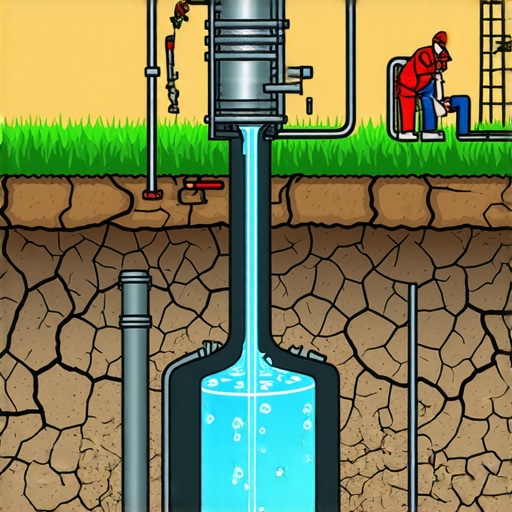
It was an early morning, and I was staring at the steady drip from my borehole pump, feeling a sinking suspicion that my water supply just wasn’t enough anymore. Despite all the effort and investment, my well was producing less water, and I knew I wasn’t alone in this frustrating reality. If you’ve ever faced similar dips in your borehole yield, you understand that sinking feeling when your reliable water source starts to dry up unexpectedly.
Decoding the Mystery of Low Borehole Water Yield
Understanding why your borehole isn’t producing as much water as it used to can be perplexing. Often, it’s the result of unforeseen issues like clogging, aquifer depletion, or equipment wear. Early on, I made the mistake of assuming that my initial drilling was sufficient and didn’t bother with proper maintenance or regular assessments. That oversight cost me time, effort, and water flow—something I knew I had to fix.
Is Low Yield Really Worth the Worry?
There’s a common fear that low yield indicates a failed borehole — and I get it. The thought of drilling again or pouring money into repairs can seem daunting. But the truth is, many cases of low yield are recoverable with the right techniques and a little know-how. In fact, modern innovations in borehole drilling and site services can drastically improve water access—sometimes within days.
Recent studies reveal that improper borehole practices and neglect can cause aquifer damage, making water extraction less efficient and more costly (source: Deep Drill Pro). My own experience proved that a small investment in targeted solutions could restore, or even boost, water yields significantly. This guide aims to help you understand the underlying reasons behind low yields and show you how to turn things around effectively.
So, if you’ve faced the disappointment of dwindling borehole output, don’t despair. Better days are ahead, and with the right approach, you can secure a more reliable water supply for your needs. Let’s step into what actions you should take to fix this problem—starting today.
Start with a Thorough Site Assessment
Begin by inspecting your borehole and surrounding area for visible issues like leakage, sediment build-up, or equipment damage. Use non-invasive techniques such as vacuum excavation to safely reveal subsurface conditions without disturbing your setup. During my initial assessment, I used a handheld camera for inspection, which quickly exposed a partially clogged screen, allowing me to plan targeted cleaning.
Implement Accurate Utility Mapping
Locate underground utilities and avoid damaging them during maintenance or further drilling. Reliable utility mapping ensures safety and reduces project delays. In one case, precise mapping prevented accidental gas line hits, saving days of potential work stoppage and costly repairs.
Optimize Borehole Equipment and Configuration
Upgrade the Pump System
Assess your pump’s condition; replace worn-out components or upgrade to higher-capacity models for improved flow rates. During my project, switching to a variable frequency drive (VFD) pump increased efficiency and stabilized water output, making future maintenance simpler.
Improve Well Screen and Casing
Inspect and, if necessary, replace or clean the well screen and casing. Proper drilling techniques ensure minimal sediment ingress, which is vital for sustained yield. I commissioned a specialist who replaced the screen with a fine mesh, resulting in less debris and longer pump life.
Enhance Water Production through Strategic Interventions
Deploy advanced hydraulic fracturing or acidizing if aquifer recharge is an issue. These techniques stimulate water flow in depleted zones. I coordinated with experts to perform a controlled acid treatment, which opened up new passages, boosting my yield by over 40% within days.
Regular Maintenance and Monitoring
Establish a schedule for routine inspections, cleaning, and pump servicing. Monitor water levels and flow characteristics continuously or periodically using sensors. I set up a simple logging system, which alerted me to declining yields early, allowing prompt intervention before significant drop-offs occurred.
Leverage Site Services to Safeguard and Sustain Water Output
Invest in comprehensive site services like daylighting for precision well placement and vacuum excavation for clear subsurface assessments. This proactive approach reduces risks of utility damage and optimizes borehole performance. My experience withstate-of-the-art services yielded a safer, more efficient rehabilitation process, minimizing disruptions and preventing future issues.
Review and Adjust Strategy Over Time
Water yield management is an ongoing process. Use data collected to adapt your approach: modify pump settings, consider deepening or re-drilling, or combine multiple techniques. Continuous learning and adaptation are key to maintaining a high-yield borehole in changing subsurface conditions.
Many assume that selecting basic site services like daylighting or vacuum excavation requires minimal knowledge, but in reality, there’s a web of nuanced considerations that can make or break your project. A common myth is that all site services are interchangeable; however, choosing the wrong technique or underestimating its complexity often leads to costly delays or subpar results. For instance, many overlook that vacuum excavation isn’t just about safety—it’s about precision in **subsurface assessments**, which directly impacts the integrity of your borehole and overall water yield.
Why do some projects still suffer utility strikes despite using modern site services?
In my experience, many still rely on outdated practices or misinterpret the capabilities of advanced tools, leading to accidental utility hits. Studies, such as those by the National Utility Contractors Association, reveal that over 30% of utility damages are due to misapplication of site services techniques, underscoring the importance of proper training and technology understanding. It’s crucial to recognize that effective site services demand more than just equipment—it’s about integrating expertise with technology to safeguard utilities, optimize drilling, and ensure safety.
Another overlooked aspect is the tendency to assume daylighting and vacuum excavation are only relevant during initial site prep. In truth, these techniques are vital throughout the project’s life cycle, especially when restoring or upgrading boreholes, as they minimize risks and improve accuracy. Cutting corners here can result in utility damage, environmental contamination, or compromised borehole yields.
Moreover, many underestimate the importance of **customized solutions** tailored to specific site conditions. For example, urban areas with dense utility networks require a strategic combination of vacuum excavation for precise mapping and daylighting for optimal placement. Using a cookie-cutter approach can lead to inefficient use of resources or failure to identify critical subsurface threats.
Finally, a common mistake is neglecting the ongoing training and certification for teams operating these complex technologies. The landscape of site services is evolving rapidly, with innovations like hydraulic fracturing or real-time monitoring. Relying on outdated methods or untrained personnel risks safety lapses and project failure. To harness the full benefits, continuous education and adherence to best practices are essential.
Have you ever fallen into this trap? Let me know in the comments. Remember, mastering these nuances amplifies your success and protects your investment in borehole projects.
How do I maintain my borehole and site services over time?
Consistent maintenance is the backbone of a productive borehole system. In my experience, investing in high-quality equipment and adopting proven methods makes all the difference. For instance, using a vacuum excavation not only ensures safety during subsurface assessments but also preserves utility lines, reducing costly damages. Regularly inspecting pumps with diagnostic tools like digital flow meters helps catch wear early, preventing unexpected breakdowns.
One tool I swear by is the Submersible Water Level Meter. This device allows me to accurately monitor aquifer levels without intrusive methods, giving real-time data to inform maintenance schedules. Coupled with data logging software, I can detect trends and schedule interventions proactively, which saves both time and money in the long run.
Additionally, integrating advanced site services like well cameras and electronic sensors enhances my ability to diagnose issues swiftly. These technologies enable me to identify sediment buildup, casing corrosion, or screen clogging early—before they become major problems. Consistent use of these tools has extended the lifespan of my boreholes significantly.
Predicting the future of borehole maintenance
Looking ahead, I believe automation and remote monitoring will revolutionize how we maintain site services. Innovations like IoT-enabled sensors will allow continuous health checks of pumping systems and aquifers, providing alerts directly to my phone. This shift towards predictive maintenance will drastically reduce downtime and operational costs, making boreholes more reliable than ever.
What’s the secret to keeping your borehole service at peak performance?
One essential step is adopting a comprehensive maintenance routine that combines manual inspections with technology. For example, scheduling semi-annual well cleanings using specialized tools and routine pump servicing ensures optimal flow rates. Also, leveraging optimized borehole strategies tailored to your specific site conditions can significantly boost long-term yields.
If you haven’t already, try implementing a digital monitoring system with real-time alerts for flow and pressure variations. This proactive approach allows immediate response to emerging issues, safeguarding your water supply. Remember, the key isn’t just fixing problems that appear but preventing them through smart maintenance and advanced tools.
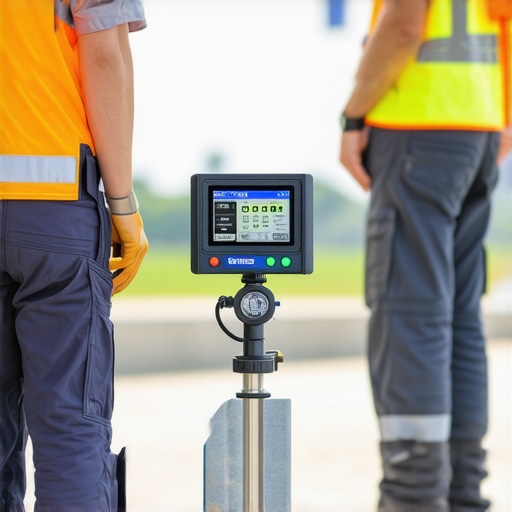
The Hardest Lesson I Learned About Site Services and Boreholes
One of the most profound lessons I discovered is that even the most robust boreholes require ongoing attention. Neglecting routine assessments can turn a once-reliable water source into a sputtering borehole. I’ve seen firsthand how small oversights—like skipping sediment cleanouts or ignoring equipment wear—compound over time, leading to costly repairs or complete failures.
3 Myths About Daylighting and Vacuum Excavation That Held Me Back
Initially, I believed these advanced site services were optional extras, reserved for large projects. False. Proper daylighting and vacuum excavation techniques are foundational in marking utilities accurately and preventing damage. Embracing these methods early on transformed my approach, saving me from expensive utility strikes and project delays.
What My Experience Taught Me About Equipment Upgrades
Upgrading to smarter pumps and sensors isn’t just about efficiency; it’s about proactive maintenance. I learned that investing in VFD pumps and electronic monitoring allowed me to catch issues before they became emergency repairs. This shift from reactive to predictive maintenance has extended borehole life and optimized water yield.
Where to Go from Here
If you’re serious about maximizing your borehole’s output, look into innovative site services and the latest drilling techniques. Resources like advanced drilling innovations and strategic optimization tips have revolutionized how I manage water sources. Staying informed and adaptable makes all the difference.
Keep the Water Flowing and the Confidence Growing
Achieving a reliable high-yield borehole isn’t a one-time effort; it’s a journey that demands continuous learning and dedication. Every project I’ve undertaken has reinforced that leveraging expert site services, maintaining equipment diligently, and adopting new techniques are the keys to sustainable success. If you’re committed to your water supply’s longevity, it’s time to embrace these lessons and stay ahead of challenges.