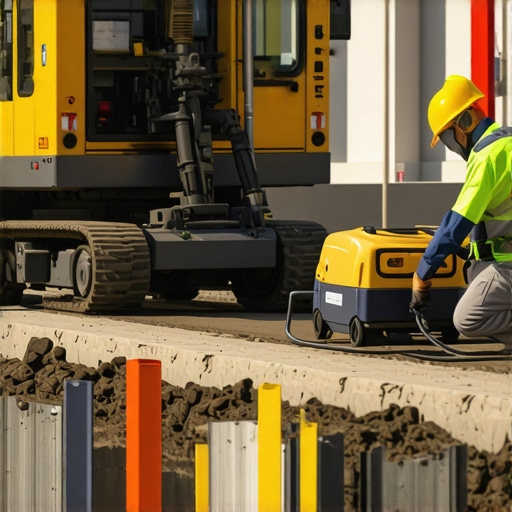
The Screech of Metal on Iron: A Forensic Autopsy of a Utility Strike
There is a sound that every veteran plumber hears in their nightmares. It is not the gurgle of a backing-up stack or the hiss of a failing wax ring. It is the screeching, metallic ‘thud’ of a backhoe bucket catching the shoulder of a pressurized gas main or a high-voltage conduit. I have stood over the trenches where a simple ‘rough-in’ turned into a three-block evacuation because a operator thought they could ‘feel’ the pipe. They couldn’t. By the time the bucket catches, the damage is done. The fines following a utility strike in 2026 are not just slap-on-the-wrist penalties; they are existential threats to a business, often reaching six figures when you factor in service disruption, emergency response, and the forensic labor required to fix the mess.
My old journeyman used to say, ‘Water is lazy, but it’s patient.’ It will find the tiniest pinhole and turn it into a geyser given enough time. Utilities are the same way. They sit there, silent and hidden, buried under layers of compacted fill and clay, just waiting for a tooth of a bucket to provide the path of least resistance. In the North, especially where frost depth can reach four feet, the ground becomes a solid block of ice-concrete. Trying to find a stub-out or a main line with traditional mechanical excavation in these conditions is like trying to do surgery with a sledgehammer. This is where the physics of vacuum excavation changes the math of the job site.
Hack 1: Kinetic Soil Displacement via Pressurized Hydro-Slicing
To avoid a strike, you have to understand the material science of what you are digging through. In frozen northern climates, ice expands 9%, locking soil particles in a crystalline matrix that defies standard shovels. Instead of hacking at it, the first hack involves using heated, high-pressure water to ‘slice’ the soil. This creates a slurry that can be instantly sucked away, a process known as vacuum excavation. This isn’t just spraying water; it is a controlled hydraulic strike. The water acts as a non-destructive lubricant, separating the dirt from the utility without the shearing force of metal. When you are performing daylighting to expose a fiber optic line, the goal is to see the ‘dope’ on the pipe or the color of the conduit before any physical contact is made. This forensic precision ensures that the only thing being removed is the debris, not the infrastructure.
“Excavation and piping shall be bedded and backfilled as required by the plumbing code or the manufacturer’s installation instructions.” – IPC Section 306.1
When we ignore the bedding and just start digging, we risk the integrity of the entire system. A utility strike often happens because the ‘as-built’ drawings are a lie. I have seen main stacks that were supposed to be at six feet buried at eighteen inches because some contractor thirty years ago hit a rock and decided to ‘top-out’ the run early. You cannot trust the paper; you have to trust the sight. By utilizing vacuum technology, you create a visual ‘cleanout’ of the entire path before the heavy machinery ever enters the zone.
Hack 2: Integrated Borehole Prep for Subsurface Integrity
The second hack involves the intersection of drilling and site safety. When you are prepping a site for a new borehole, the risk of hitting an unknown line is at its peak. This is why forensic site prep is mandatory. Before the drill bit ever touches the earth, you should be using vacuum tools to create a pilot hole. This ‘exploratory surgery’ allows you to identify the stratification of the soil and any ‘hack jobs’ left behind by previous generations. I have pulled everything from old lead pipes to buried Fernco couplings out of holes that weren’t supposed to have anything in them. If you don’t use site services that prioritize this vacuum-first approach, you are gambling with your insurance premiums. The vacuum doesn’t care if the soil is clay-heavy or sandy; it removes the material and leaves the pipe pristine, allowing for a safe ‘rough-in’ of new services.
Hack 3: Managing the Hydro-Geographic Frost Load
In regions like Chicago or Canada, the enemy is the freeze-thaw cycle. When water in the soil freezes, it creates frost heave, which can actually move pipes over decades. A pipe that was located precisely three feet from a curb in 1990 might have migrated six inches due to the relentless pressure of ice. Mechanical digging assumes the pipe is where the map says it is. Vacuum excavation assumes the map is a suggestion and the ground is a liar. By utilizing advanced site services, you can mitigate the risk of hitting these ‘migrated’ utilities. The vacuum process allows for a wider search area without the massive restoration costs of a traditional trench. You are essentially ‘sweating’ the soil away rather than tearing it out.
Hack 4: Real-Time Slurry Analysis for Leak Detection
The final hack is the plumber’s secret weapon: using the vacuum output as a diagnostic tool. When we are clearing a path, the vacuum pulls up the slurry. A forensic eye looks at that slurry. If I see a hint of blue-green oxidation, I know there is a copper line nearby that might be suffering from pitting or electrolysis. If I smell the unmistakable sulfur of sewer gas, I know I’m near a cracked stack or a failed joint. This allows for ‘pre-emptive’ repairs. Instead of just avoiding a strike, you are identifying a future failure. This level of vacuum excavation utility assessment turns a simple digging job into a full-scale forensic site audit. It is the difference between a handyman who just wants to get paid and a master who wants the system to last fifty years.
“Pressure-testing of the piping system shall be performed in accordance with the requirements of this code.” – UPC Section 712.0
Every time you avoid a strike with a vacuum, you are preserving the pressure-integrity of the surrounding municipal systems. When a backhoe vibrates the ground, it can cause ‘sweating’ at joints fifty feet away. The vacuum is silent, surgical, and shock-free. It is the only way to operate in 2026 if you want to avoid the crushing weight of fines and the shame of a preventable disaster. Stop digging like it’s 1980. Start excavating with the precision of a forensic plumber who knows that water, like time, eventually wins—unless you respect the pipes first.