The Anatomy of a Subsurface Catastrophe
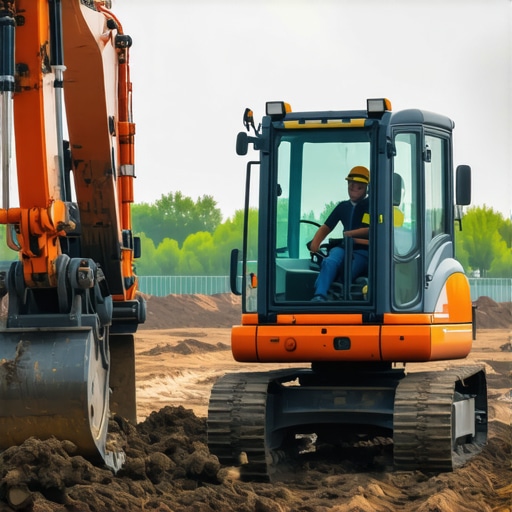
I remember my old journeyman used to grunt, ‘Kid, water isn’t just a liquid; it’s a slow-motion wrecking ball.’ He was right. You give a hairline fracture in a main stack five years in shifting clay, and it’ll excavate its own cavern under a foundation. But the worst damage doesn’t always come from age; it comes from the violent, unthinking steel of a backhoe. I’ve stood in trenches where a single bucket tooth turned a pristine copper service line into a mangled, weeping mess of flattened metal. That’s not just a leak; it’s a forensic nightmare. When that steel hits, it doesn’t just break the pipe—it sends a shockwave back through the system, often rattling the rough-in joints fifty feet away until the dope fails and the sweating on the copper tees starts to weep behind the walls.
As we look toward 2026, the density of our underground infrastructure is becoming a literal minefield. We are no longer just dealing with a simple sewer stack and a water lead. We are looking at a chaotic web of fiber optics, gas lines, and high-voltage power. Traditional mechanical excavation is a blunt instrument for a surgical job. This is where the physics of vacuum excavation changes the math. Instead of brute force, we use the kinetic energy of air or water to move the earth, leaving the vital organs of the site intact. Understanding what is vacuum excavation is the first step in moving away from the ‘dig and pray’ method that has plagued the industry for decades.
“Backfill shall be free from discarded construction material and debris, including large rocks, broken concrete, frozen chunks and other detrimental material.” – IPC Section 306.3
1. Precision Daylighting and the ‘Air-Knife’ Advantage
Daylighting is the forensic plumber’s best friend. It is the process of exposing underground utilities to the light of day before any heavy machinery rolls onto the lot. By using high-pressure air, we can pulverize the soil while the utilities remain untouched. Imagine a gas line buried in frozen Illinois clay. If you hit that with a 12-ton excavator, you’re looking at an evacuation. If you hit it with an air-knife, the soil disappears into the vacuum hose, leaving the yellow polyethylene pipe sitting there like it was never buried. This is the core of exploring daylighting benefits for modern projects.
2. Avoiding the ‘Ghost Leak’ through Non-Destructive Mapping
The most dangerous damage is the one you don’t see immediately. When a mechanical bucket scrapes a ductile iron pipe, it might not cause a geyser, but it can strip the protective coating. This triggers electrolysis. The soil chemistry begins to eat the metal, leading to pinhole leaks three years down the line. Vacuum excavation removes this risk entirely. It allows for accurate subsurface assessments, ensuring that the integrity of the pipe’s exterior remains uncompromised. You aren’t just avoiding a break today; you’re preventing a forensic failure in 2029.
3. Borehole Pre-Clearance and Hydraulic Zooming
Before you set a rig for a borehole, you have to know what’s in the first ten feet. In many jurisdictions, this ‘soft digging’ is becoming a requirement, not a suggestion. I’ve seen drill bits come up covered in the black, oily sludge of a shredded sewer line because the operator thought they were clear. By utilizing borehole drilling techniques that incorporate vacuum pre-clearing, you eliminate the guesswork. You see the cleanout, you see the lateral, and you move the rig. It’s simple physics vs. expensive mistakes.
“Standard Practice for Underground Installation of Thermoplastic Pressure Piping shall be followed to ensure the long-term structural integrity of the system.” – ASTM D2774
4. Managing the Freeze-Thaw Cycle with Hydro-Excavation
In the North, frost is the enemy. It turns soil into something with the density of concrete. Trying to dig through frozen ground with a backhoe often results in ‘shattering’ the surrounding soil, which can snap brittle, older cast iron pipes nearby. Hydro-excavation uses heated water to melt the frost, turning the earth into a manageable slurry. This localized heat doesn’t just move the dirt; it protects the surrounding stub-out pipes from the vibration and shock that lead to winter bursts. This is a critical component of maximizing safety with advanced site services.
5. Reducing the Slurry Footprint in Urban Corridors
Urban plumbing is a battle for space. When you’re trying to reach a cleanout in a tight alleyway, you can’t afford a massive pile of spoil. Vacuum excavation sucks the debris directly into a truck, keeping the site clean and preventing the ‘black mush’ of wet soil from infiltrating the storm drains. This efficiency is why site services drive efficiency in modern urban construction. You aren’t just digging a hole; you’re managing a surgical site.
6. Forensic Protection of the Wax Ring and Internal Fixtures
People forget that what happens outside the house affects what’s inside. If an excavator hits a main sewer line and creates a massive surge of pressure (a ‘slug’ of water and air), it can literally blow the wax ring off the base of a toilet three floors up. I’ve seen it happen. The vacuum method avoids these sudden pressure differentials. By choosing the right site services for complex projects, you are protecting the forensic integrity of the entire plumbing system, from the city tie-in to the master bath. In the end, the physics is simple: water always wins, but with vacuum excavation, we finally have a way to stay out of its path. Stop using a sledgehammer when you need a scalpel. Protect the pipes, or they will eventually make you pay for the neglect through your wallet and your nose.