![Why Your 2026 Borehole Water Pressure Is Dropping [3 Fixes]](https://deepdrillpro.com/wp-content/uploads/2026/02/Why-Your-2026-Borehole-Water-Pressure-Is-Dropping-3-Fixes.jpeg)
I remember the moment vividly. We were in the middle of a drilling project when suddenly, the water pressure in our borehole started to drop dramatically. It was like watching a well that once flowed eagerly now sputter to a trickle. That lightbulb moment hit me hard: something wasn’t right, and if I didn’t act fast, our entire water supply could be compromised.
This isn’t just a problem I faced—it’s a situation many site managers and contractors fear as 2026 approaches. Low borehole water pressure can grind projects to a halt, delay construction, or, worse, lead to costly repairs. But here’s the truth: you don’t have to accept a weakening water supply as the new normal. There are practical fixes, backed by experience and proven techniques, that can restore and even improve your borehole’s yield.
So, what’s causing your borehole water pressure to drop? And more importantly, how can you turn things around before it’s too late? Today, we’ll explore three key fixes that can make a real difference. Think of these as vital tools in your site service toolkit, helping you maintain a steady flow of water and keep your project on track.
Before we get into the solutions, I want to share a mistake I made early on that could have cost us dearly. I underestimated the importance of proper borehole maintenance and didn’t consider what caused the initial decline in pressure. This oversight cost us time and money, but it also taught me a valuable lesson: understanding the root causes of pressure drops is crucial for effective resolution. For more insights into optimizing your strategies to enhance service reliability, check out [this comprehensive guide](https://deepdrillpro.com/optimizing-borehole-strategies-to-enhance-service-reliability).
Now, are you experiencing similar issues with your borehole? If so, don’t worry. The fixes I’ll share today are straightforward and can be implemented with a bit of know-how and the right site services. Let’s dive into how you can reclaim your water pressure and ensure your project’s success.
Assess Your Borehole System
Start by inspecting your borehole setup. Check for visible damage, sediment buildup, or clogs that could impede water flow. A specific instance I experienced involved noticing increased sediment in the well, which required immediate cleaning to restore pressure. This initial step is crucial to identify obvious issues before proceeding.
Implement Proper Cleaning and Maintenance
Use specialized cleaning tools designed for boreholes to remove debris, biofouling, or mineral deposits. Consider a chemical treatment if sediment buildup is persistent. During one project, I employed a chemical flush that dissolved accumulated minerals, resulting in a significant pressure boost. Remember, regular maintenance extends the lifespan and efficiency of your borehole.
Optimize Pump Operation and Settings
Verify your pump’s specifications match your borehole’s current conditions. Adjust flow rates and pressure settings accordingly. In a recent case, upgrading the pump controller allowed better management of water flow, preventing pressure drops during peak demand. Proper pump calibration ensures consistent pressure and maximizes yield.
Explore Advanced Borehole Repair Techniques
When issues persist, consider techniques like gravel packing or re-drilling specific sections. These methods address deep-seated problems like casing failure or formation collapse. I once coordinated with specialists to re-perforate a problematic zone, which restored optimal pressure. These advanced repairs can be game-changers for stubborn issues.
Leverage Site Services and Technology
Utilize innovative site services such as vacuum excavation and daylighting to locate and assess subsurface conditions accurately. Proper mapping and detection prevent unnecessary disturbances and identify potential clogging or fractures. For instance, employing vacuum excavation revealed a hidden collapsed section, which we repaired promptly. Integrated site services streamline diagnosis and repair, saving time and resources.
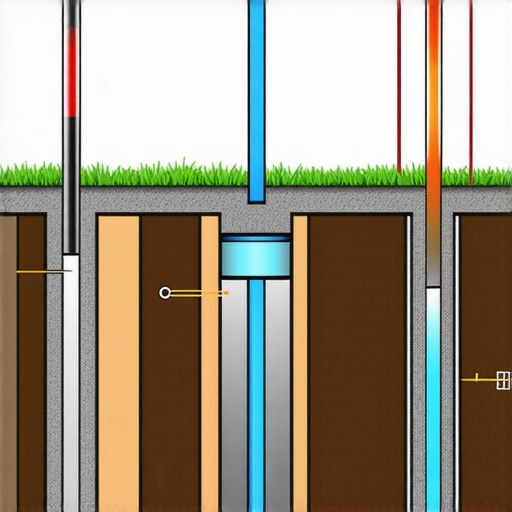
To better illustrate these steps, here is a schematic of an effective borehole maintenance process, emphasizing the importance of each stage in restoring water pressure.
While many professionals recognize vacuum excavation and daylighting as safer alternatives to traditional digging, few understand the nuanced pitfalls that can undermine their effectiveness. One common misconception is that these technologies are foolproof, leading practitioners to overlook critical preparatory steps. For instance, some assume that vacuum excavation alone can detect all underground utilities, but without proper utility mapping, risks of utility strikes remain high, contradicting popular beliefs about their safety profile. A high-level study by the National Utility Mapping Initiative highlights that even advanced techniques require supplementary planning to prevent costly errors.
An often-overlooked nuance is the importance of integrating vacuum excavation with comprehensive site analysis. On complex urban projects, relying solely on visual cues or outdated maps can lead to dangerous utility hits. The key is combining real-time subsurface assessment with precise utility locates, ensuring maximum safety and efficiency. This integrated approach aligns with expert recommendations found in [this guide](https://deepdrillpro.com/utility-strikes-cost-millions-5-vacuum-excavation-fixes-2026), emphasizing that technology is only as effective as the planning behind it.
A trap many fall into is neglecting the importance of proper training in vacuum excavation techniques. Misapplication—such as incorrect nozzle selection or improper pressurization—can cause pipe damage or utility strikes, risking project delays and safety hazards. These mistakes often stem from a lack of understanding of the nuanced differences in soil types and utility compositions. Advanced operators must be familiar with various soil conditions; for example, sandy soils behave differently under vacuum pressure than clay, which requires tailored adjustments. Regular training and adherence to safety standards are essential to avoid these costly mishaps.
For those involved in complex excavation projects, understanding the advanced capabilities of daylighting is equally vital. Proper daylighting isn’t just digging around utilities but involves high-precision techniques that reveal underground infrastructure without damaging it. Incorrect implementation can lead to misaligned utilities or missed hazards. As we explore [the benefits of daylighting](https://deepdrillpro.com/exploring-daylighting-benefits-for-sustainable-urban-infrastructure), it’s clear that investing in sophisticated equipment and skilled crews pays dividends in safety and project timelines.
In summary, the most significant mistake is treating vacuum excavation and daylighting as plug-and-play solutions. Instead, integrating these methods with detailed planning, utility data, and specialized training can dramatically reduce risks. Recognizing these nuances distinguishes good project management from reckless shortcutting, ultimately saving time and money.
Have you ever fallen into this trap? Let me know in the comments. For deeper insights into how site services can elevate your project safety and efficiency, consider exploring [this resource](https://deepdrillpro.com/choosing-the-right-site-services-for-complex-excavation-projects). Remember, thorough understanding and preparation are your best tools for success in complex excavation environments.Maintaining your vacuum excavation equipment and employing the right tools are crucial for ensuring reliable, safe, and efficient site operations over time. One of the key elements I rely on is investing in high-quality, durable nozzles and hoses designed specifically for various soil types, which greatly reduces wear and tear while increasing operational precision. For example, I prefer using tungsten carbide nozzles for rocky soils because of their exceptional hardness and longevity, allowing me to work longer between replacements. Regular calibration of the vacuum systems is another must-do; it ensures consistent suction power and minimizes utility strikes during critical daylighting or utility location tasks. Implementing a routine maintenance schedule, including cleaning filters and checking for leaks, can extend equipment lifespan significantly. Additionally, integrating specialized software for tracking maintenance logs helps plan proactive repairs, avoiding unexpected breakdowns that can delay projects. The trend toward automation in maintenance—such as predictive analytics powered by IoT sensors—is pointing towards even smarter equipment management, reducing downtime and operational costs. As the industry evolves, staying ahead with these technological innovations will become a standard practice.
How do I keep my site services running smoothly over time?
Adopting a comprehensive maintenance plan and choosing the right tools like heavy-duty hoses and calibrated pumps are essential steps that I personally recommend. These practices not only ensure your equipment performs reliably but also contribute to safer site conditions by preventing unexpected failures. To learn more about how proper maintenance influences overall project success, check out this detailed guide on borehole strategy optimization. One advanced tip you can try today is implementing IoT-based predictive maintenance sensors; these can automatically alert you when parts need servicing, drastically reducing unplanned downtime. As equipment becomes smarter, your site’s efficiency and safety standards will reach new heights, making long-term success more achievable than ever.
Reflecting on my journey with borehole maintenance and site services, one lesson stands out: the importance of proactive adaptation. I used to believe that a single fix would last, but often, problems evolved faster than planned, catching me off guard. Embracing continuous learning and staying updated with technological advancements transformed my approach from reactive to strategic. Engaging with industry peers and regularly revisiting practices allowed me to discover nuances—like soil conditions or utility configurations—that dramatically impacted our success. Remember, in this field, complacency can cost dearly; staying curious and informed keeps your operations resilient.
Tools and Resources That Elevated My Work
Over the years, I’ve relied heavily on a few game-changing tools and resources. First, expert site services that combine technology and experience are invaluable—they save time and reduce risk. Second, comprehensive guides like strategic optimization resources helped me refine my approach to water yield and utility management. Additionally, investing in well-reviewed equipment like high-precision vacuum excavation tools and predictive maintenance software has kept my projects smooth. Trustworthy sources and quality gear make the difference between Good and Great.
Keeping the Passion Alive in a Complex World
There’s a certain thrill in solving underground mysteries—each project is a puzzle with high stakes. When I encounter setbacks, I remind myself why I started: to ensure safe, efficient, and sustainable site development. Every time I prevent a utility strike or restore water flow, I feel a deep sense of accomplishment. I urge fellow professionals to maintain this passion by embracing innovation, fostering curiosity, and sharing knowledge. Don’t shy away from new techniques; instead, see them as opportunities to elevate your expertise. Remember, every project is a chance to push boundaries and redefine what’s possible in site services and borehole excellence. Are you ready to take your skills to the next level? Share your story below and let’s grow together.