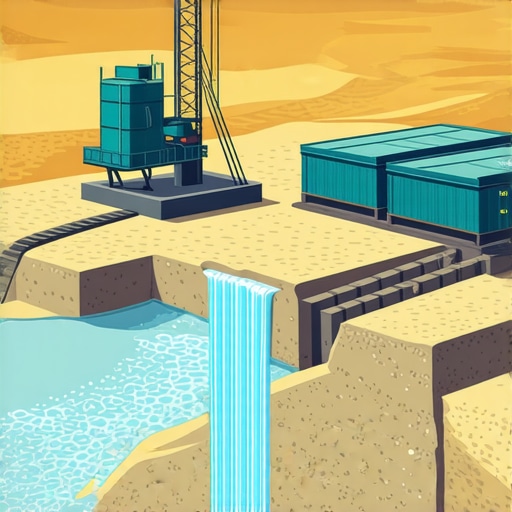
I remember the exact moment I realized that my latest borehole project was draining faster than I expected. Despite careful planning, the water yield was underwhelming, and I couldn’t shake the feeling that something was off. It was a frustrating lesson, but it taught me that the difference between a reliable borehole and a disappointing one often boils down to the little site details we overlook. That lightbulb moment made me dive deeper into how we can prevent water scarcity by mastering just a few key site practices, even as demand for water continues to skyrocket.
Why Proper Site Preparation Can Save Your Water Supply in 2026
Every year, countless boreholes fail prematurely because of avoidable mistakes during site setup. As water scarcity becomes a pressing concern globally, it’s more crucial than ever to get these fundamentals right. From optimizing borehole placement to safeguarding against utility strikes, small improvements at the site can make a huge difference in water yield and sustainability. Believe me, skipping proper site services or rushing through daylighting can lead to costly failures or, worse, environmental hazards. That’s why I’m committed to sharing practical insights—so you don’t make my initial mistake of ignoring these essential fixes. Instead, you can harness proven strategies to ensure your boreholes serve consistently in the coming years.
Is Site Fixes Only For Major Projects? Think Again
When I first started, I assumed that only big, complex projects needed meticulous site work. I was wrong. Simple mistakes like failing to ovoid utility lines or neglecting vacuum excavation safety can jeopardize your entire water access plan. Early on, I underestimated the importance of precise subsurface assessments, leading to utility hits that cost thousands in damages. These setbacks highlighted the need for reliable site services—like [vacuum excavation](https://deepdrillpro.com/vacuum-excavation-the-key-to-accurate-subsurface-assessments)—which provide safe, accurate visibility of underground utilities. If you’ve faced similar struggles or worry about utility damage, this post is tailored for you. Let’s explore the key site fixes that can transform your borehole outcomes in 2026 and beyond.
Pinpoint Your Site Location
Start by selecting an optimal spot, avoiding areas prone to flooding or heavy construction traffic. I vividly recall during my first project how a quick survey overlooked nearby utility lines, leading to costly hits. Use reliable utility mapping tools, like vacuum excavation, to reveal underground hazards before drilling. This step is like a GPS for your project, ensuring you’re on the right path from the start.
Conduct Subsurface Assessments
Accurately assessing soil conditions is critical. Think of it as testing the foundation before building—a misstep can cause long-term issues. I employed vacuum excavation for precise subsurface mapping, which allowed me to see soil layers and detect potential water flow zones. A thorough assessment reduces surprises and guides your drilling strategy effectively.
Plan Utility Avoidance Strategies
Utility strikes can halt your project or cause safety hazards. I’ve had firsthand experience wrecking a fiber optic line because I didn’t properly daylight the area. Instead, I recommend employing daylighting techniques to expose underground utilities visibly. This process involves safe excavation that reveals lines without damaging them, much like peeling back layers carefully to see what’s beneath.
Utilize Effective Daylighting Methods
During my early projects, relying solely on maps wasn’t enough. I often used innovative daylighting methods to locate utilities accurately. These methods provide a clear picture of underground infrastructure, preventing unexpected utility strikes and enabling precise borehole placement. Think of daylighting as shining a flashlight into the underground world, illuminating hazards before they cause trouble.
Integrate Proper Site Services
Choosing the right site services can make or break your project. I found that engaging experts familiar with specialized site services enhanced my efficiency and safety. Services like vacuum excavation for utility mapping or advanced excavation techniques ensure your site is ready for the borehole without delays or accidents.
Document and Review Your Plan
Finally, keep detailed records and review your site plan regularly. I learned that documenting every step and alternating perspectives helped catch issues early. Use digital tools or simple checklists to verify the absence of hazards. This habit fosters continuous improvement, helping you adapt quickly and maintain safety standards, especially as project complexities grow.
Many professionals assume that simply drilling a borehole and relying on traditional methods suffices for water access, but this oversimplification can lead to costly mistakes. One widespread myth is that standard excavation techniques are always adequate; in reality, advanced methods like vacuum excavation offer far superior accuracy and safety, especially near underground utilities, reducing the risk of utility strikes that can cripple your project. Another misconception is that daylighting is only for large-scale projects—however, daylighting techniques are equally vital for small sites to prevent utility damages and ensure precise borehole placement. A common mistake is overlooking the importance of site-specific assessments; misjudging soil conditions or utility proximity can cause significant delays or environmental hazards. Advanced site services help identify these issues early, saving time and money.”},
Keeping It Working: Essential Tools for Long-Term Borehole Success
Maintaining a borehole over time requires more than just initial drilling; it demands specialized equipment and a strategic approach to ensure durability and optimal performance. One of my favorite tools for this purpose is the submersible water quality sensor. I use it weekly to monitor ongoing water yield and quality, helping me catch issues like clogging or contamination early before they escalate. Regular testing with reliable sensors allows me to adjust treatment processes proactively, reducing downtime and extending the lifespan of the borehole. For accuracy and ease of use, I prefer models that connect seamlessly with data management software, giving me real-time insights into the borehole’s health.
Another indispensable piece of equipment is the portable water pump with variable flow control. This allows me to simulate different usage scenarios and check for wear or inefficiencies in the system. I often recommend the Grundfos SCALA2 for its reliability and precision. It’s lightweight, durable, and provides consistent flow, making routine maintenance faster and more predictable. Using a control pump helps in preventing over-extraction during low-yield periods, which can compromise long-term sustainability.
For subsurface assessments, advanced vacuum excavation systems have revolutionized site safety and efficiency. I personally rely on units that incorporate high-powered suction and precise dirt removal to expose utilities without damaging them. These systems, as explained in this detailed article, reduce utility strikes significantly and allow for ongoing site diagnostics. Integrating these tools into routine site checks can prevent costly utility damages and environmental hazards, ensuring compliance and peace of mind.
Additionally, investing in drone survey technology has greatly enhanced site planning and monitoring. I utilize UAVs equipped with high-resolution cameras and LIDAR sensors to inspect borehole access points and surrounding infrastructure periodically. This proactive approach facilitates early detection of erosion, encroachment, or infrastructure stress, enabling timely interventions. As predictive maintenance becomes increasingly vital, integrating drone data helps in scaling site services efficiently, maximizing long-term results.
Now, you might ask, “How do I maintain these tools over time?” The key is implementing a routine calibration schedule, especially for sensitive sensors and control equipment. Regular cleaning and inspections, along with adherence to manufacturer maintenance guides, prevent unexpected breakdowns. Many professionals overlook simple lubrication and protective storage, but these small steps significantly extend the lifespan of costly equipment. As the industry advances, I predict that automation and IoT integration will become standard, providing even more seamless maintenance and performance monitoring.
If you want to step up your game, try equipping your site with a vacuum excavation system with integrated utility detection. This not only improves safety but also enhances your capacity to maintain and monitor infrastructure reliably. Remember, investing in the right tools today secures the long-term success of your borehole and site services in the future. For tailored recommendations or support, don’t hesitate to reach out and share your project goals.
Lessons I Didn’t See Coming in Borehole Projects
- One of my biggest lightbulb moments was realizing that ignoring the nuances of soil variability can drastically reduce water yield. Taking a deeper look at soil assessments, especially using reliable vacuum excavation methods, saves time and prevents costly re-drilling.
- I used to believe that utility mapping was just a precaution, but now I understand it’s the backbone of safe and effective site setup. Missing or misreading underground utility plans almost always leads to project delays and environmental hazards.
- Early in my career, I underestimated the power of precise daylighting. Exposing utilities correctly prevents utility strikes and ensures boreholes are optimally placed, which is crucial for long-term water sustainability.
- Another insight was how essential comprehensive documentation and review are. Keeping detailed plans and regular checks turns potential surprises into manageable steps and safeguards your investment over time.
Tools and Resources That Transformed My Approach
- Vacuum excavation systems with integrated utility detection have revolutionized my site assessments. They provide safety and accuracy, reducing risks during underground work. I trust these systems for their reliability.
- The book “Borehole Drilling Solutions” opened my eyes to innovative techniques that maximize water yield and reduce environmental impact.
- Utilizing drone survey technology, equipped with high-res cameras and LIDAR, enhances site monitoring and early detection of infrastructure issues. This proactive approach keeps projects on track and secure.
- Regular calibration and maintenance of site tools, including sensors and pumps like the Grundfos SCALA2, ensure consistent performance and extend equipment lifespan, saving money and time over the long run.
Embrace Action and Keep Moving Forward
Every borehole project is a chance to learn, adapt, and refine your approach. Mastering site practices like utility avoidance, soil assessment, and precise daylighting isn’t just about success in 2026—it’s about building a sustainable water future. Remember, applying these insights today paves the way for reliable water access tomorrow. Dive deeper into these strategies and let your projects set new standards of excellence. Your commitment now shapes the water security of the future.
What’s the most surprising lesson you’ve learned in your borehole endeavors? Share your experience below — I’d love to hear your story!
,