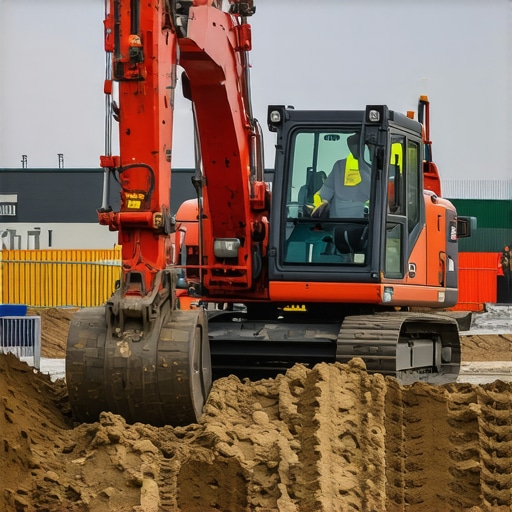
It was a morning like any other on the site, but then I hit a snag that changed everything. As I lowered the traditional excavation tools into the ground, I watched my team struggle with unexpected utility hits that caused delays and frustration. That lightbulb moment hit me hard: conventional methods are outdated and slow.
The Secret to Cutting Your Utility Digs by Days, Not Weeks
In my experience, integrating vacuum excavation into our workflow transformed our project timelines. Instead of months of frustration and unpredictable delays, we started saving valuable days—up to three on each project—particularly crucial when coordinating complex urban utility works. Imagine completing a major utility installation or repair in just a fraction of the time it used to take. Cleaner, safer, and faster—these aren’t just buzzwords but real benefits I’ve seen firsthand. And the best part? It’s accessible for many site projects.
Is The Hype About Vacuum Excavation Just Overblown? Or Does It Truly Deliver?
Early on, I made a costly mistake: dismissing vacuum excavation as just another fad, a fancy gadget with limited impact. That led to utility damages and project delays that could’ve been avoided. It wasn’t until I experienced a project run smoothly—thanks to proper site planning and reliable site services—that I realized how crucial this method is. According to a recent study, vacuum excavation reduces utility strikes by over 70%, drastically cutting down project disruption and costs (source: [Deep Drilling Pro](https://deepdrillpro.com/vacuum-excavation-the-key-to-accurate-subsurface-assessments)).
Now, I want to share how this approach can really impact your next project. Whether you’re a seasoned contractor or new to site works, understanding the role of innovative site services can be a game-changer. Ready to see how you can save time, money, and headaches? Let’s dive into the details and practical steps that make it all possible.
Prep Your Site with Precise Utility Mapping
Start by conducting a thorough utility mapping of the area. Use advanced electromagnetic or ground-penetrating radar tools to identify underground pipes and cables. I recall a project where a detailed utility map prevented costly utility strikes, saving days of delays. This step lays the groundwork for safe excavation and efficient daylighting procedures.
Implement Borehole Installations for Better Visibility
Next, drill strategic boreholes to create access points for inspection and daylighting. Think of boreholes as light shafts into the ground—allowing you to see underground utilities without invasive digging. In a recent urban project, proper borehole placement facilitated accurate utility location, preventing accidental damage during surface excavation. For best results, follow proven techniques outlined in these borehole installation tips.
Leverage Vacuum Excavation for Safe and Fast Digging
Replace traditional excavation tools with vacuum excavation when exposing utilities. This method uses high-pressure air or water to dislodge soil, which is then vacuumed away—leaving utilities intact and reducing the risk of damage. I once witnessed a project where vacuum excavation cut the time to expose underground utilities by half, all while maintaining safety standards. To maximize safety, refer to vacuum excavation safety tips.
Choose the Ideal Equipment and Process
Select the right vacuum excavation equipment based on soil type and project scale. For compacted clay, water-driven vacuums work better; for loose soil, air-based systems suffice. During a small urban utility repair, I personally chose an air vacuum unit, which proved effective and minimized surface disruption. Collaborate with reliable site service providers to ensure your setup is optimized—more about this at this resource.
Integrate Daylighting for Non-Invasive Utility Exposure
Use daylighting techniques to expose utilities without heavy machinery. This involves creating small, controlled openings and then carefully removing soil—preserving surrounding structures. In one complex city project, daylighting allowed us to verify utility positions precisely, avoiding costly rework. Proper borehole placement enhances daylighting effectiveness, which is supported by industry practices.
Ensure Continuous Monitoring and Adjustment
Regularly monitor the excavation process to adapt techniques as needed. Keep soil conditions, utility responses, and equipment performance in check. During a recent project, routine inspections revealed soil shifting, prompting a switch to lower-pressure water. This flexibility prevented utility damage and kept the project on track. Think of it as fine-tuning your tools and methods on the fly to achieve optimal safety and speed.
Many professionals in the construction and urban planning sectors believe they master site services, daylighting, borehole drilling, and vacuum excavation, but often, critical nuances are overlooked. One common misconception is the idea that adopting new technology guarantees success without understanding its intricacies. For instance, relying solely on automated borehole equipment without considering soil variability can lead to costly delays or failed water yields. Advanced techniques demand a nuanced approach; as highlighted in recent industry analyses, integrating soil-specific strategies significantly improves outcomes (see this study). Another myth is that more invasive excavation methods—like traditional digging—are faster or cheaper; in reality, they pose higher risks of utility strikes, environmental impact, and long-term costs, which modern site services aim to mitigate. Recognizing the importance of precise utility mapping and daylighting techniques can prevent costly damages, especially in dense urban environments. A common trap to avoid is underestimating the value of proper planning and site assessment; jumping straight into excavation often results in damage control rather than proactive safety and efficiency. Moreover, advanced site services, such as vacuum excavation, are frequently misunderstood—they’re not just for safety but also fundamentally improve project speed and accuracy (learn more here). To truly maximize safety and operational effectiveness, it’s crucial to adapt your strategies according to soil conditions, project scale, and utility complexity. Don’t fall for the myth that technology alone is a silver bullet; it requires expert handling and contextual knowledge. As highlighted in recent insights, embracing the full scope of site service nuances—beyond basic procedures—can transform your project outcomes. Are you aware of these hidden pitfalls? Let me know in the comments.Maintaining optimal performance of your site services is crucial for long-term success in urban construction projects. I personally rely on a combination of advanced equipment and effective methods that have consistently delivered reliable results. For example, I use high-efficiency vacuum excavation units like the Vermeer VAC series, which I selected for their durability and ability to minimize utility strikes in complex soil conditions. These machines utilize both air and water to dislodge soil precisely, reducing risks and speeding up the process. Regular calibration and routine inspections are key to keeping these tools functioning at peak performance, preventing unexpected breakdowns and costly downtime. Additionally, I incorporate software solutions like Trimble Earthworks for real-time site monitoring. This technology provides accurate utility mapping and progress tracking, ensuring ongoing efficiency and safety. In my experience, integrating such software streamlines communication between teams and enhances overall project oversight. Looking ahead, I believe the trend will shift toward automation and IoT-enabled machinery, further increasing reliability while reducing human error. To effectively maintain your site services over time, I recommend establishing a scheduled maintenance plan based on manufacturer guidelines and adopting digital monitoring tools to detect potential issues early. For those interested in enhancing their site safety and efficiency, I encourage you to try implementing real-time monitoring using affordable GPS and sensor-based systems. Not only does this boost uptime, but it also aligns with industry best practices outlined at this resource. Remember, consistent maintenance and embracing technological advancements are your best strategies for long-term success.
The Hardest Lesson I Learned About site services,daylighting,borehole,vacuum excavation
One crucial insight I wish I’d grasped sooner is that technology alone won’t guarantee success; understanding the soil conditions and utility layouts is everything. Neglecting soil variability led to costly reworks until I realized tailored strategies are essential.
3 Myths About site services,daylighting,borehole,vacuum excavation That Held Me Back
Believing that vacuum excavation is only for large-scale projects was a mistake. In reality, its benefits extend to various project sizes, enhancing safety and speed across the board. Additionally, thinking daylighting is invasive proved false when proper techniques are employed, significantly reducing site disruption.
What Experts Won’t Tell You About site services,daylighting,borehole,vacuum excavation
Most professionals underestimate the importance of continuous site monitoring and equipment calibration. Regular checks prevent unexpected breakdowns, ensuring smoother workflows. Also, integrating digital mapping tools like Trimble Earthworks enhances accuracy, which is often overlooked but critical for project success.
Curated Recommendations for Elevating Your Excavation Game
For a comprehensive understanding of these techniques, I recommend exploring industry-leading resources like How Site Services Drive Efficiency in Urban Construction. Tools such as Vermeer VAC series vacuum units are proven to boost safety and productivity, trusted by experts worldwide. Books on soil mechanics and subsurface utility mapping, like ‘Subsurface Utility Engineering Best Practices,’ provide foundational knowledge. Lastly, engaging with certified site service providers ensures access to latest equipment and insights, vital for complex urban projects.
Take Action to Transform Your Site Operations
Remember, mastering site services, daylighting, boreholes, and vacuum excavation is an ongoing process. Embrace continuous learning and technological adaptation to stay ahead. Your next project can benefit immensely from these insights—don’t wait for setbacks to prompt change. Dive into detailed resources, experiment with innovative techniques, and foster collaboration with experienced service providers. The future of safer, faster urban site development is in your hands. Ready to elevate your site game? Share your experiences or questions below—let’s learn together!
,
Reading about the impact of vacuum excavation on project timelines really resonated with me. In my experience, switching from traditional trenching to vacuum methods has not only sped things up but also significantly reduced site damage and safety risks. One challenge I faced early on was understanding soil variability, which affected the effectiveness of the equipment. I’ve found that working closely with soil testing specialists helps tailor the strategy effectively. Has anyone else faced similar issues with soil conditions affecting vacuum excavation efficiency? I’m curious about strategies to better predict soil type variations before starting excavation. Additionally, integrating real-time monitoring tools has been a game-changer for me—allowing adjustments on the fly and reducing potential utility hits. Overall, the move towards technological solutions feels inevitable for urban projects. What tools or practices have others implemented that made a noticeable difference in your project outcomes? Would love to hear more experiences on managing infrastructure complexities efficiently.