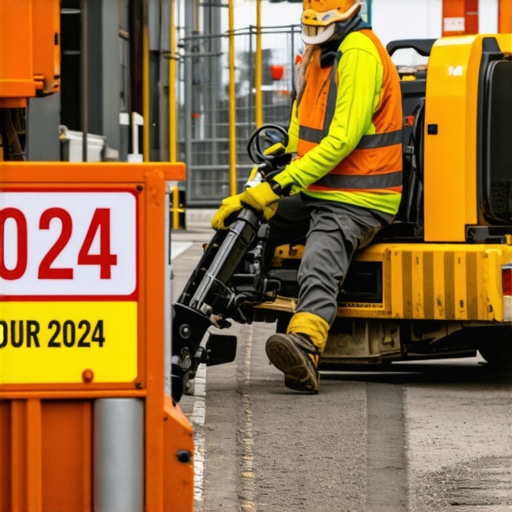
I’ll never forget the moment I nearly caused a costly and dangerous accident on my first big project. I had been so focused on getting the job done quickly that I overlooked a simple, yet critical safety step in vacuum excavation. The result? A perilous situation that could have been avoided with just a bit more caution and knowledge. That wake-up call taught me an invaluable lesson, one I wish I had learned sooner.
Why Safety in Vacuum Excavation Can’t Be an Afterthought
In the fast-paced world of site development and urban infrastructure, vacuum excavation has become a game-changer. Its ability to provide precise, non-destructive access to underground utilities isn’t just a luxury—it’s a necessity. But with great power comes great responsibility. Overlooking safety protocols can lead to property damage, costly delays, or even serious injuries.
As we move into 2024, the emphasis on safety and best practices in vacuum excavation continues to grow. The industry is seeing innovations that enhance both efficiency and security—like improved utility mapping and advanced site services. For example, recent studies highlight how vacuum excavation significantly reduces the risk of damaging underground utilities compared to traditional methods (source). But technology alone isn’t enough—operator training, adherence to protocols, and understanding potential hazards are critical.
Have you faced challenges ensuring safety in your excavation projects? You’re not alone. Many professionals stumble upon common pitfalls that could be easily avoided with proper planning and awareness. That’s exactly what I want to help with today: sharing practical, experience-based tips to master safe vacuum excavation practices in 2024.
Is Cutting Corners Worth the Risk? Think Again
Early in my career, I neglected to double-check utility maps, thinking I could rely on memory or assumptions. Big mistake. One quick oversight led to hours of downtime and an even longer list of regrets. Since then, I learned the hard way that meticulous preparation and adherence to safety standards aren’t just regulatory hoops—they’re protecting your team and your project’s success.
If you’re like me, eager to get the job done but cautious about safety, this post is for you. We’ll walk through practical steps, debunk myths, and discuss how to incorporate the latest best practices—so you can safely harness vacuum excavation benefits without the fear of mishaps derailing your work. Curious about how to refine your approach? Let’s dive into the essentials that make all the difference.
Stay tuned, because the key to safer, more reliable site work in 2024 is within your grasp—and it starts here.
,
Start with Accurate Utility Maps and Site Planning
Before you even pick up the equipment, double-check all utility maps. Treat this as your blueprint for a safe operation — a mistake here can be costly. I learned this the hard way when a misread map led to unexpected utility damage, causing days of delays. Invest time in verifying with high-precision detection methods, such as ground-penetrating radar, to confirm utility locations. Proper planning reduces surprises and keeps your project on track.
Use Advanced Site Services for Precise Subsurface Assessment
Leverage modern site services like vacuum excavation with utility locating technologies to uncover hidden hazards. Think of it as a medical ultrasound — non-invasive but revealing critical information beneath the surface. During a recent project, employing vacuum excavation with utility mapping helped me identify a shallow water line that wasn’t on the maps. As a result, I avoided a potential flood risk. Incorporate reliable site services to achieve comprehensive site understanding (see here).Even seasoned professionals sometimes fall for myths that can compromise safety and efficiency in subsurface work. One widespread misconception is that borehole quality depends solely on the drilling equipment, ignoring the critical nuances of site conditions and proper planning. In reality, techniques like daylighting are often oversimplified; many assume that just creating a borehole provides safety, but in truth, the precision and integration with site services determine success. Understanding the complexities of these processes ensures more reliable outcomes, especially when considering advanced methods like vacuum excavation, which require careful coordination and expertise [see more here](https://deepdrillpro.com/vacuum-excavation-the-key-to-accurate-subsurface-assessments).
Are Daylighting Techniques Overrated in Complex Urban Settings?
Many believe that daylighting is a one-size-fits-all solution, but in dense urban environments, the risks and limitations can be underestimated. For example, superficial assumptions about utility locations can lead to costly mistakes, especially without comprehensive site services that help verify subsurface conditions. Advanced strategies that combine borehole installation, utility mapping, and vacuum excavation can greatly reduce surprises, unlocking safer and more efficient project workflows. Rushing these steps can result in accidental utility strikes or structural damage, so it’s essential to understand that proper planning and technology integration are your best allies [see more here](https://deepdrillpro.com/expert-site-services-reliable-vacuum-excavation-daylighting-solutions). Furthermore, many professionals overlook the importance of continuous training and updating their knowledge base. Industry innovations in borehole and daylighting techniques are evolving rapidly, and sticking to outdated methods can compromise safety and reliability. For instance, recent advancements emphasize the importance of high-resolution utility detection and real-time site assessment, which are crucial for avoiding pitfalls in complex projects. To truly master these nuances, I recommend regularly engaging with trusted experts and sources that highlight the latest best practices [see more here](https://deepdrillpro.com/trusted-vacuum-excavation-utility-mapping-for-accurate-site-prep).Remember, every project has its unique challenges, and recognizing the limitations of common assumptions helps prevent costly errors. Have you ever fallen into this trap? Let me know in the comments.
Keeping It Working: Tools I Recommend for Reliable Site Operations
Achieving long-term success in borehole, vacuum excavation, and daylighting projects hinges on leveraging the right tools and adopting proven maintenance practices. As an experienced practitioner, I emphasize the importance of specific equipment and software that not only enhance accuracy but also reduce downtime and ensure safety. One essential piece is the use of high-precision utility locators like the Radiodetection RD8100. I personally rely on this device because its advanced signal processing capability helps detect utilities even in complex urban settings, minimizing the risk of accidental strikes (see here). For maintaining borehole integrity, I recommend regularly calibrating drill rigs with tools like laser alignment systems—I’ve found that using optical laser levels significantly improves borehole verticality, which is critical for downstream daylighting.
On the software side, adopting GIS-based mapping systems such as AutoCAD Civil 3D enhances site planning and utility mapping accuracy. This integration allows for real-time updates and helps track maintenance schedules, ensuring components are inspected routinely. In my experience, pairing software with physical tools creates a robust maintenance regime.
Another aspect not to overlook is routine inspection and cleaning of vacuum excavation equipment. Use of certified cleaning agents and regular filter replacements, coupled with monitoring system performance via diagnostic software, prevents breakdowns. For instance, assembling a maintenance checklist driven by the HVAC filter data from the equipment’s diagnostic module helps anticipate parts replacement before failure occurs (see more here).
How Do I Maintain Boreholes and Site Services Over Time?
It’s vital to implement a scheduled maintenance program aligned with manufacturer recommendations and industry best practices. Regular core sampling can identify potential issues such as corrosion or sediment buildup, while casing inspections ensure structural stability. Trends suggest that future maintenance will increasingly rely on remote condition monitoring systems, integrating IoT sensors for real-time alerts—this is a trend I believe will revolutionize site management even further (see here). I encourage practitioners to pilot sensor integration in their projects now, as the ROI is compelling and early adoption can set new safety and efficiency standards.
Maintaining your tools and systems diligently guarantees long-term performance, reduces unforeseen costs, and keeps your project running smoothly. Don’t underestimate the power of combining technological innovation with consistent care—these are keys to sustainable success.
Start by evaluating your current maintenance schedule and consider integrating a digital monitoring system. You’ll be surprised how much it can clarify your equipment’s health and streamline your workflows. Want to explore more advanced maintenance strategies? Reach out to our experts anytime here.

What I Wish I Knew Before Digging Deep
One of the toughest lessons I learned was that no shortcut is worth risking safety, especially when dealing with underground utilities. Rushing through site prep often clouded my judgment about the importance of meticulous utility verification, leading to costly mistakes. From this, I realized that patience and thoroughness are the bedrock of successful excavation projects.
Another revelation was the myth that advanced equipment alone guarantees safety. It’s tempting to rely solely on high-tech tools, but I found that continuous operator training and strict adherence to safety protocols are equally vital. Without a mindset geared towards safety, even the best tools can’t prevent accidents.
Lastly, I underestimated the power of comprehensive site planning. Investing extra time in detailed mapping and predictive assessment can save a tremendous amount of trouble down the line. It’s about anticipating potential hazards before they become costly emergencies.
Tools I Trust for Reliable Site Safety
My go-to utility locator is the Radiodetection RD8100 — I trust its advanced signal processing to detect utilities in complex urban environments, reducing unexpected strikes. For site mapping, I rely on AutoCAD Civil 3D, which helps me visualize subsurface data in real-time and coordinate better planning.
Maintaining the equipment that ensures safety is equally important. Regular calibration of drills with laser alignment systems and routine cleaning of vacuum excavation tools prevent breakdowns and ensure accuracy. I also integrate IoT sensors for remote monitoring, a game-changer in predictive maintenance and safety assurance.
Take Charge of Your Next Project
The landscape of borehole and daylighting work is continually evolving, and embracing the latest safety practices is crucial. Start by refining your site assessment processes and investing in reliable tools. Remember, safety isn’t just compliance — it’s the foundation of trustworthy, efficient construction.
Are you ready to implement stricter safety measures or explore new technologies in your projects? Your proactive steps today can lead to safer, more successful excavations tomorrow.
What safety challenge have you faced, and how did you overcome it? Share your experience below!