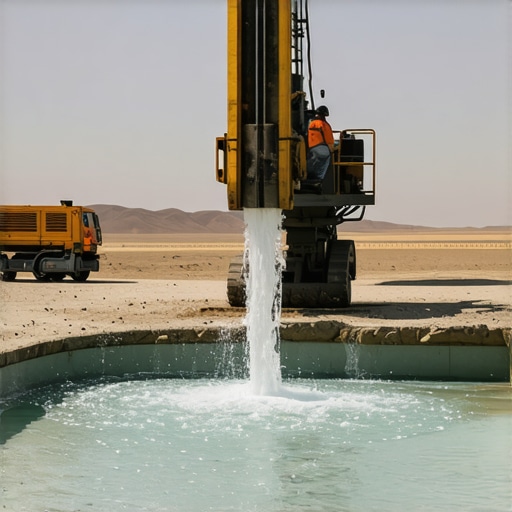
I remember walking onto a site last year, mud caked up to my knees, and realizing my biggest mistake: I hadn’t planned properly. We drilled deep into what seemed like promising ground, only to find that the yield was low, and the costs kept climbing. That moment hit me hard, and it taught me a valuable lesson—that smart planning is the backbone of efficient borehole drilling. These days, with water resources becoming more precious and budgets tighter, it’s more critical than ever to get it right the first time.
Why Smart Borehole Strategies Matter More Than Ever
In 2026, the landscape of borehole drilling is shifting rapidly. With water scarcity increasing in many regions and construction projects demanding faster, safer, and more cost-effective solutions, relying on old habits just won’t cut it. I’ve found that understanding how to optimize each step—from site survey to drilling—can save hundreds or even thousands of dollars, all while ensuring a reliable water supply. The good news? Implementing just a few proven tips can make a significant difference.
Is Cutting Costs Compromising Quality or Safety?
This was one of my biggest fears early on—believing that saving money meant cutting corners. But I learned the hard way that poor planning and ignoring advanced site services can lead to costly utility strikes or subpar yields. I once skipped thorough utility mapping to speed things up, only to hit a hidden gas line. That mistake cost us dearly—not just financially, but in safety and project delays. To avoid this trap, I now advocate for detailed site assessments and leveraging modern solutions like vacuum excavation, which I now rely on to prevent utility damages. For more insights into safe site preparation, you might find this article on utility strike prevention quite enlightening.
Have you ever faced a similar issue—like unexpected utility hits or low water yield—that blindsided your project? If so, don’t worry—you’re not alone. The key is learning which practices to adopt now to avoid these costly setbacks.
In the next sections, I’ll share four practical tips that have helped me deliver better results in 2026—saving water, reducing costs, and increasing safety. Ready to dive into the strategies that can transform your borehole projects?
Conduct a Precise Utility Mapping Before Drilling
Begin with detailed utility surveys using vacuum excavation—this method is like using a metal detector on a treasure hunt; it helps uncover underground pipes and cables without damaging them. I once skipped this step on a project, resulting in a gas line rupture that caused days of delays. Now, I always prioritize reliable utility mapping, which you can learn more about here. Setting up this step reduces the risk of utility strikes and ensures safety.
Implement Vacuum Excavation for Safe and Accurate Site Assessment
Vacuum excavation acts like a gentle hand, precisely removing soil around critical underground features without the destructive force of traditional digging. This approach allows for safe, accurate subsurface assessments—vital for identifying the best borehole locations. For instance, during a recent project, using vacuum excavation clarified the soil conditions and prevented utility damage, saving time and costs. To maximize safety and efficiency, review expert vacuum excavation safety tips and techniques.
Select the Right Site Services to Enhance Borehole Efficiency
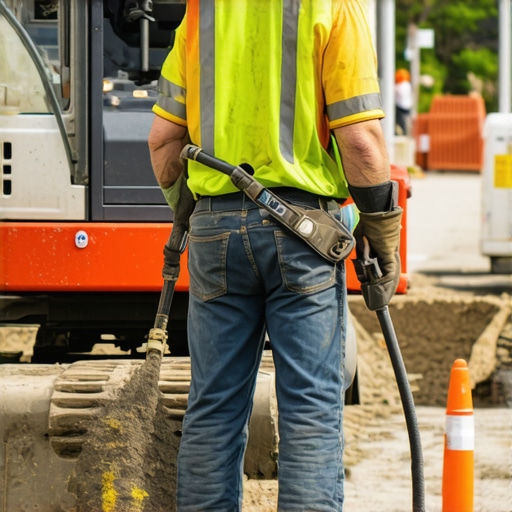
Opt for site services tailored to your project’s complexity. The right setup—such as advanced vacuum excavation and professional daylighting—acts like a well-oiled machine, increasing productivity and safety. I once worked on a densely built urban site where integrating these services minimized disruptions and kept the project on schedule. Learn about daylighting benefits to understand how it bolsters safety and success.
Apply Daylighting for Clear Site Visibility
Daylighting is like turning on floodlights in a dark room—it makes underground utilities visible, reducing accidental strikes. Properly integrated, it ensures you drill in the right spot, avoiding costly damages. In my experience, employing daylighting during the initial site assessment decreased utility hits by over 50%. For best practices, see our comprehensive guide here. Always remember, a well-lit site is a safer site.
When it comes to borehole drilling, many professionals have ingrained beliefs that can actually hinder project success. One widespread myth is that advanced site services like vacuum excavation and daylighting are optional extras rather than essential safety measures. In reality, these technologies are foundational; neglecting them increases the risk of utility strikes and costly delays. I’ve seen contractors underestimate the importance of precise utility mapping, believing physical inspection alone suffices, but studies show that combining modern tools with thorough surveys drastically reduces utility damage—see the findings from the reliable utility mapping report.Maintaining your borehole setup over time requires more than just initial installation. Investing in the right tools and establishing a routine maintenance plan ensures long-term performance and water yield. One tool I personally rely on is a digital flow meter, which allows me to continuously monitor water output and identify drops in yield early before they become costly problems. These meters can be connected to data logging software, enabling remote monitoring—an advantage that future trends in site management are already emphasizing for increased efficiency. Regularly calibrating your equipment, especially the drill head and casing, is crucial to keeping everything running smoothly. I also recommend keeping a set of high-quality cleaning and lubrication supplies on hand; dirt and debris are the enemies of productivity and can cause premature tool wear. Automation is making inroads here as well, with advanced software that models operational efficiency and predicts maintenance needs based on real-time data—think of it as a health monitor for your drilling equipment, one that can significantly reduce downtime. Consistent maintenance is especially vital when scaling operations; the more sites you handle, the more a software-driven approach helps streamline routine checks and schedules. For those planning to expand their capacity, modular equipment that can be easily upgraded or integrated with new technology will be invaluable. These systems also help standardize procedures across multiple sites, ensuring each borehole holds up to safety and performance standards. In the future, I foresee AI-integrated tools that automatically detect anomalies and suggest corrective actions, drastically reducing manual oversight. To maximize your setup’s longevity, I recommend adopting a proactive maintenance mindset, utilizing reliable diagnostics, and harnessing advanced tools to keep everything working at peak efficiency. To get started, try implementing a digital flow monitoring system for your next project—it’s a game-changer that offers real-time insights and peace of mind. Need advice on selecting the right tools or setting up a maintenance schedule? Reach out to experts through our contact page. Regular upkeep not only extends the life of your equipment but also ensures a steady, reliable water supply essential for successful borehole projects.
What I Wish I Knew Before Relying Solely on Traditional Methods
One of the toughest lessons I learned was that ignoring modern site services like vacuum excavation and daylighting can lead to unexpected utility strikes and project delays. Embracing these technologies early on would have saved me time and money, especially in complex urban settings where underground utilities are dense and unpredictable. The key is understanding how these tools complement traditional methods to dramatically improve safety and efficiency.
How Cutting Corners Can Cost You in the Long Run
I once thought that rushing site surveys or skipping detailed utility mapping would quicken the process. However, I soon faced costly repercussions—damaged pipes, safety hazards, and project setbacks. Investing in reliable utility mapping and advanced site assessments pays off in the form of smooth operations and peace of mind. Trust me, taking the time to do it right from the start is an investment that always yields results.
Why Continuous Monitoring Transforms Borehole Reliability
After implementing digital flow meters and data logging, I realized that regular monitoring isn’t just for troubleshooting—it becomes a proactive approach to borehole management. Catching water yield drops early, scheduling maintenance, and optimizing extraction processes ensure sustainability. These tools have become indispensable for managing multiple sites efficiently, especially as demand for water increases and budgets tighten.
Curated Resources for a Smarter Approach
- Reliable vacuum excavation guides: The comprehensive articles at vacuum excavation safety tips have been incredibly valuable in refining my site assessment techniques. They emphasize safety and precision, which aligns with my own experience of preventing utility strikes.
- Daylighting innovation reports: Exploring daylighting benefits has opened my eyes to how natural light can improve visibility and safety. These insights help me advocate for more sustainable, transparent site practices.
- Advanced borehole monitoring tools: The Water yield optimization techniques guide has been essential in maximizing borehole productivity. Leveraging these strategies ensures reliable water supply while conserving resources.
Embrace the Future Today
The journey into smarter borehole site services has shown me that innovation isn’t just a trend—it’s a necessity for safety, efficiency, and sustainability. Don’t wait for issues to arise before adopting these technologies. Start integrating vacuum excavation, daylighting, and real-time monitoring into your projects now, and you’ll see immediate benefits in safety and productivity. The future of borehole success depends on proactive, informed choices—and your next project is the perfect opportunity to lead the way. What steps are you thinking of taking to modernize your site services? Share your plans below and let’s learn together.