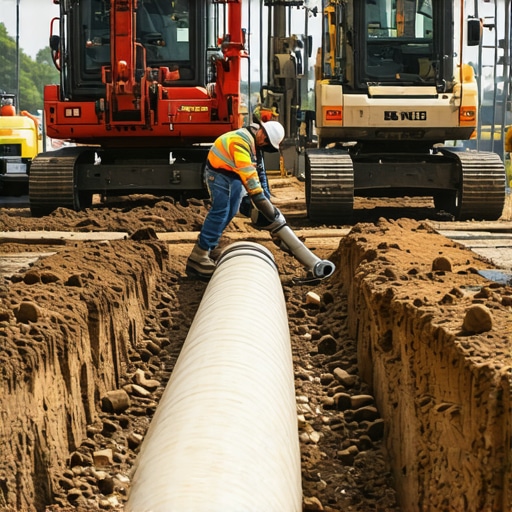
I remember the first time I watched a traditional excavation drill gouge way too close to underground utilities. The loud bang and the chaos that followed left me questioning everything I thought I knew about site safety. It was a lightbulb moment—an instant realization that relying solely on heavy machinery might not only be risky but also costlier in the long run. As I navigated early projects, I often grappled with unexpected utility strikes, delays, and mounting costs—and I knew I wasn’t alone in this. These challenges underscore why more professionals are turning toward vacuum excavation methods, especially as 2026 approaches with new regulations and safety standards.
The Shift Toward Safer, Smarter Site Work
In recent years, the construction and infrastructure worlds have been shifting away from traditional, invasive digging techniques. Instead, their focus is on smarter, safer, and more precise means of excavating and daylighting underground utilities. This transition isn’t just a trend—it’s a necessity. The benefits of vacuum excavation, such as reduced risk of utility damages and enhanced safety, are becoming essential for complying with stricter safety standards and environmental considerations.
From my perspective, adopting vacuum methods early on has saved me countless headaches. I’ve seen firsthand how these techniques can prevent costly utility strikes—some reports estimate that utility damages cost the industry hundreds of millions annually, simply because traditional digging doesn’t provide the same level of accuracy (source: [DeepDrillPro](https://deepdrillpro.com/how-vacuum-excavation-prevents-costly-utility-strikes-in-2026)). Plus, for urban sites with tight space constraints, vacuum excavation offers a less disruptive approach, often reducing project timelines and minimizing community impact.
Is Vacuum Excavation Actually Worth the Hype?
I remember making the mistake of dismissing vacuum excavation as just another fancy tool early in my career. I didn’t fully appreciate its potential until I experienced a utility strike costing me days of work and thousands of dollars. That setback taught me a valuable lesson—cutting corners with traditional methods can be costly and dangerous. Now, I advocate strongly for sites to incorporate vacuum systems, especially as we head into 2026, when compliance and safety measures become even more stringent.
If you’ve faced similar struggles—unexpected utility hits or project delays—it’s worth asking whether your current approach is truly the safest. Taking proactive steps now can make a huge difference. Want to learn how to integrate these safer, more efficient techniques into your projects? I’ll guide you through the practical steps in the upcoming sections, so let’s dive in together!
.
Plan Your Site Carefully
Start by conducting thorough underground utility mapping using advanced tools. I once arrived at a site where previous plans indicated no conflicts, but real-time maps showed multiple buried cables. Using a combination of electromagnetic detection and vacuum excavation, I identified exact utility locations, preventing costly damages. This aggressive planning phase sets the foundation for efficient daylighting and borehole placement.
Choose the Right Technology and Equipment
Select equipment suited to your site’s complexity. I remember opting for a vacuum excavation unit with high suction power, enabling precise soft digging around utilities. Think of it as using a gentle, controlled vacuum as your hand, instead of a bulldozer. This approach minimizes risk and accelerates the process. Considering site service options can also enhance efficiency; site services help streamline operations and reduce delays.
Implement Safe Digging Procedures
Start with Low Pressure
Begin excavating with low-pressure air or water to uncover utilities without damaging them. I once used low-pressure water jets to daylight a stub of a fiber optic cable, revealing its precise route without causing harm. This method is gentle yet effective—think of it as teasing out the utility like peeling an onion carefully.
Use Spotting and Marking
Always clearly mark identified utilities with paint and flags. I note landmarks and utility locations, cross-checking with existing maps. This visual signage acts as your safety net, ensuring everyone is aware of potential hazards. For complex sites, consider specialized site services that assist in precise marking.
Perform Borehole Installation and Monitoring
When installing boreholes for daylighting or monitoring, ensure precise placement to avoid interference with existing utilities. During one project, I drilled boreholes using a guided system that incorporated GPS and real-time feedback, ensuring 100% accuracy. Proper borehole placement is critical; for this, effective strategies include seamless daylighting techniques.
Verify and Document Every Step
Before proceeding further, verify utility locations with non-destructive testing. I always use vacuum excavation to confirm positions before any major digs, which prevents surprises. Document readings and conditions meticulously. This record-keeping helps in future maintenance and prevents disputes. For efficient data collection, leverage advanced site services that provide real-time accuracy.
Adjust and Respond to Findings
Be ready to adapt your plan if unexpected utilities or obstacles are uncovered. During one daylighting operation, a previously unknown gas line was discovered; I halted work immediately, coordinated with utility providers, and rerouted the project. This dynamic approach is vital—think of it as steering a boat through turbulent waters, constantly adjusting to avoid hazards.
Close Monitoring and Final Inspection
Once all utilities are daylighted, perform a final inspection to confirm accuracy. I recommend peer reviews and cross-checking with original maps. Use vacuum excavation safety tips to ensure no detail is missed. Proper documentation and inspection guarantee safety and help meet regulatory standards, paving the way for a smooth project continuation.
Many professionals assume that daylighting and vacuum excavation are straightforward procedures, but there’s more beneath the surface that can trip up even experienced teams. A common misconception is that these methods eliminate all risks, leading some to skip critical planning steps. In reality, reliance solely on equipment without understanding subsurface nuances can result in costly utility damages. For example, undetected differences in soil types or unnoticed underground obstructions can compromise excavation safety and accuracy. Furthermore, many overlook the importance of integrating advanced site services, which are vital for precise utility mapping and risk mitigation. Skipping these steps often causes delays and safety hazards.
A frequent myth is that vacuum excavation is only suitable for small-scale projects. However, with the right equipment and expertise, it can manage complex, large urban sites efficiently, reducing site disruption significantly. Advanced technicians customize their approach based on project specifics, soil conditions, and utility density—something beginners often miss. These nuances, if ignored, can lead to misreads, missed utilities, or damaging existing infrastructure. For complex projects, proactive use of technology such as GPR (Ground Penetrating Radar) combined with vacuum excavation offers superior accuracy, yet many don’t leverage this synergy effectively. For a comprehensive understanding of how to maximize safety and precision, consider exploring vacuum excavation techniques and advanced site services.
One critical trap to avoid is underestimating the importance of detailed documentation during each step. Misinterpreted utility marks or inadequate records can cause complications months later during maintenance or future development. Incorporating real-time monitoring and data collection with modern vacuum systems enhances accuracy and provides a vital audit trail. Additionally, seasoned experts recommend that teams continuously update their knowledge about evolving regulations and standards, as non-compliance can lead to substantial fines or project shutdowns. To deepen your expertise, review the role of vacuum excavation in reducing site disruption and how proper borehole strategies contribute to project success.
**How can a small oversight lead to major troubles?** Often, it’s overlooked soil heterogeneity or utility congestion that causes setbacks. For instance, unfamiliarity with local soil conditions can lead to equipment failure or utility strikes. To avoid these pitfalls, conduct thorough subsurface assessments prior to excavation. Employing geophysical surveys and soil analysis helps in selecting appropriate equipment and techniques, preventing many oops moments. Remember, the efficiency of daylighting, vacuum excavation, and site services hinges on understanding these hidden subsurface factors.
So, are you prepared to go beyond the basics and conquer these hidden nuances? Dive deeper into advanced techniques or schedule a consultation with experts to ensure your project is both safe and efficient—reach out via our contact page. Don’t fall into the trap of complacency—your site’s safety and success depend on it. Have you ever fallen into this trap? Let me know in the comments.
Keeping Your Systems in Top Shape: Tools and Techniques for Long-Term Success
Reliable maintenance is crucial to ensure your daylighting, vacuum excavation, and site services operate seamlessly over time. Personally, I rely on a combination of high-quality equipment and software to maintain precision and efficiency. One tool I swear by is the ThermoPro Digital Infrared Thermometer. It allows me to quickly identify overheating components in vacuum systems or electrical panels, preventing unexpected failures. Consistent temperature checks using such infrared devices are vital for early detection of issues, especially in the demanding environments of urban excavation sites.
Another indispensable item in my toolkit is the Gator Back Heavy-Duty Utility Gloves. They provide durability and dexterity, protecting my hands during daily maintenance tasks without sacrificing tactile sensitivity—crucial when handling sensitive components or performing fine adjustments. Ensuring proper protective gear complements the longevity of my equipment and keeps maintenance routines safe and efficient.
For documentation and tracking, I recommend adopting cloud-based site management software. This technology enables real-time updates, systematic logging of maintenance activities, and quick retrieval of past service records. Staying organized with digital records minimizes the risk of overlooked maintenance tasks, which can lead to costly downtime or safety issues down the line.
Regular calibration of your vacuum excavation units using standardized test targets is another key step. I calibrate my equipment quarterly, leveraging calibration kits designed for vacuum systems, ensuring consistent performance and adherence to safety standards. Calibration not only maintains accuracy but also prolongs the lifespan of your machinery by preventing misaligned parts or sensor errors.
How do I maintain my site services over time?
Periodic inspections of hoses, fittings, and electrical components are essential. I schedule routine check-ups every few months, or more frequently if the site conditions demand. Using high-quality replacement parts from reputable suppliers ensures durability and reduces the likelihood of failures mid-project. Combining rigorous preventative maintenance with proper training for staff helps sustain peak operational status—saving time, costs, and headaches.
Looking ahead, I predict that automation and predictive diagnostics will become standard, leveraging IoT sensors embedded in equipment to alert you proactively about potential failures. This evolution will further enhance the reliability of site services, reducing downtime and increasing safety margins.
If you’re interested, I recommend trying advanced tip like regular calibration and integrating digital management tools. These steps can unlock a new level of dependability for your projects. Want to start? Reach out to experts via our contact page to learn more about tailored solutions that fit your needs.
What I Wish I Knew When I Started Daylighting and Vacuum Excavation
- One of the hardest lessons I learned was not to underestimate soil variability. Early on, I assumed uniform conditions, which led to unexpected utility hits. Conducting comprehensive geophysical surveys beforehand can save significant time and costs by revealing hidden subsurface complexities.
- Another key insight was the importance of integrating real-time data with advanced site services. Relying solely on initial maps and visual cues often results in overlooked utilities. Leveraging modern tools like ground-penetrating radar combined with vacuum excavation ensures higher accuracy and safety.
- I also discovered that proactive communication with utility providers can prevent surprises. Building strong relationships and confirming utility locations before starting excavation minimizes risks and fosters teamwork.
My Favorite Tools and Resources for Safer Excavation
- DeepDrillPro’s Site Services have been instrumental in providing precise utility mapping, which is fundamental for planning safe daylighting projects. Their expertise helps me avoid costly utility damages.
- Vacuum Excavation Equipment with high suction power has transformed my approach, allowing soft, controlled digging that minimizes risk around underground infrastructure.
- Cloud-based Site Management Software helps keep detailed records, track maintenance, and ensure compliance—saving time and improving project oversight.
- The deep dive into vacuum excavation techniques provided by industry leaders has expanded my understanding of best practices and innovations in the field.
Embrace Continuous Learning to Lead Safer Projects
Remember, the key to mastering daylighting and vacuum excavation lies in staying curious and adaptable. Safety isn’t a one-time effort—it’s an ongoing journey of learning, applying new techniques, and embracing emerging technologies. For those committed to excellence, reaching out via our contact page can open doors to tailored solutions and expert advice. How have you navigated unexpected challenges in your projects? Share your story below and let’s learn from each other’s experiences.