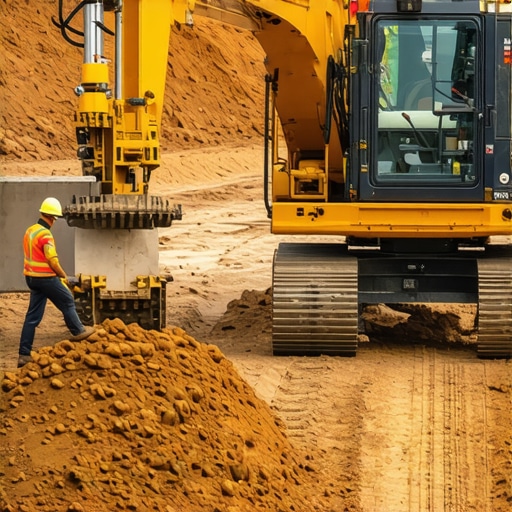
There’s been a moment in my career when I nearly hit a critical utility line during a routine excavation—an experience that left me rethinking how we approach site services. It was a tight spot, and the potential for disaster was real. That lightbulb moment made me realize: relying on traditional excavation methods isn’t just risky—it’s outdated in a world that demands safety and accuracy. Today, I want to share how vacuum excavation is changing the game, ensuring safer, more precise site services.
The Risks We Can’t Afford to Ignore During Excavation
Every construction project involves digging, drilling, or boring—tasks that, beneath the surface, are fraught with hidden dangers. A single mistake in locating underground utilities can lead to costly delays, environmental hazards, or worse, injuries on site. I remember my early days on-site, trusting superficial surveys, only to discover later that a gas line was just centimeters away from where I was working. The stakes are high, and conventional methods sometimes fall short in providing the reliable detail we need.
Research shows that utility strikes occur roughly every six minutes in the U.S., often with serious consequences (source). That statistic hit home for me. It emphasized the importance of adopting smarter, safer excavation techniques—like vacuum excavation—that dramatically reduce these risks.
Facing the Skepticism: Is Vacuum Excavation Really Worth It?
Early in my career, I made the mistake of dismissing vacuum excavation as an expensive luxury. I thought, ‘Is it really necessary, or just a fancy gadget?’ But that was a rookie mistake. Once I experienced its benefits firsthand—precision, safety, and efficiency—I understood it’s an invaluable tool for modern site work. If you’re still skeptical about investing in this technology, consider the long-term savings in avoiding accidents and project delays. For a detailed comparison, check out this insight on how vacuum excavation enhances safety standards.
In the sections ahead, we’ll explore exactly how vacuum excavation can revolutionize your site services, making every project safer, faster, and more reliable. Ready to see how this innovative technique can help you dodge common pitfalls and elevate your construction process? Let’s dive in.
Preparing for Safe Excavation
Begin by assessing the project’s scope and identifying underground utilities. Use detailed maps and request utility locates before starting. I once arrived on-site with minimal prep and nearly dug into a live gas line, emphasizing the importance of thorough planning.
Choosing the Right Equipment and Techniques
Select a vacuum excavation unit suitable for the task, considering soil type and site constraints. Unlike traditional digging, vacuum excavation uses high-pressure air or water to break ground gently, avoiding utility strikes. I remember using a portable vacuum system in a congested urban area, which allowed precise excavation without disrupting nearby infrastructure.
Setting Up for Precision and Safety
Position the equipment on stable ground and calibrate controls carefully. Use site plans and utility maps as guides. In one project, I set up a remote monitoring system to ensure the excavation stayed within safe limits, preventing accidental utility contact.
Executing the Excavation with Technique
Operate the vacuum unit steadily, directing the suction to expose utilities gradually. Maintain constant communication with the team to respond quickly to any anomalies. During a job, I meticulously traced utilities using the vacuum method, which reduced the risk of damage and allowed me to verify utility depth accurately.
Managing the Removed Material
Collect and contain excavated debris in accordance with environmental regulations. Use the vacuum’s debris tank or connect to a downstream recovery system. I once managed a site where proper debris handling minimized dust and avoided contaminating surrounding areas.
Verifying Utility Location and Site Readiness
After excavation, confirm utility locations visually and with electronic locators. Perform pressure tests if necessary. I experienced a situation where double-checking utility positions prevented a costly damage during subsequent work phases.
Completing the Project and Site Restoration
Backfill carefully, ensuring no damage to utilities or the environment. Restore the site to its original condition for safety and compliance. I recall restoring a site after vacuum excavation that required minimal compaction efforts due to the precision of the method, saving time and resources.
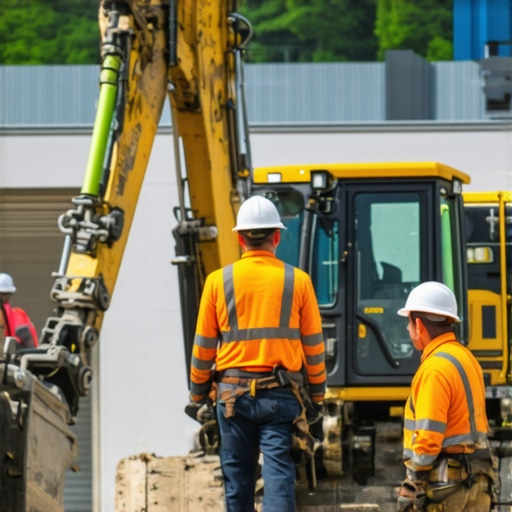
Incorporating vacuum excavation into site services transforms how projects prioritize safety and accuracy. For more insights into selecting appropriate site solutions, visit this resource.
While many professionals recognize the importance of daylighting and advanced site services, there’s a nuanced landscape that often trips up even seasoned practitioners. A prevalent myth is that superficial utility maps are sufficient for safe excavation; in reality, relying solely on outdated documents can lead to costly strikes. Modern techniques like vacuum excavation aren’t just safer—they provide _accuracy_ that traditional methods lack, especially in complex urban environments. One trap to avoid is assuming all borehole drilling methods are equal; advanced innovations now enable seamless integration and reduce ground disruption, but only if properly selected and executed, as discussed in [this resource](https://deepdrillpro.com/borehole-drilling-techniques-innovations-in-daylighting-projects).
Why Do So Many Overlook the Nuance in Subsurface Assessments
A common oversight is neglecting the spectral combination of geophysical surveys and vacuum excavation. While traditional testing might identify utility depth, it often misses the precise location needed for risk-free work. Experts argue that a _hybrid approach_ enhances reliability, especially when detecting non-metallic utilities. According to a study by the American Society of Civil Engineers, integrating geophysical methods with vacuum excavation techniques reduces utility strikes by up to 70% (source).
Avoiding assumptions about the capabilities of daylighting systems is crucial. Some assume that once a borehole is drilled, utility integration is straightforward—a dangerous oversimplification. Precision borehole placement and connecting those to daylighting infrastructure require meticulous planning and advanced site services, illustrated in [this guide](https://deepdrillpro.com/borehole-daylighting-experts-for-reliable-construction-safety).
So, let’s challenge some common beliefs: Have you ever fallen into the trap of over-relying on superficial data or underestimating the complexity of subsurface assessments? Share your experiences in the comments or reach out to discuss how to elevate your site safety and accuracy.Maintaining optimal performance in daylighting and site services requires more than just the right equipment—you need a strategic approach to tools and ongoing maintenance. Personally, I rely heavily on high-quality vacuum excavation units like the Ditch Witch JT8020 for their versatility and durability, especially when working in complex urban environments. These machines are built to withstand daily rigors, ensuring consistent results without unexpected downtime. Regular filter replacements and hydraulic fluid checks are essential scheduled tasks to keep these systems operating at peak efficiency. Another vital component is software management; programs like Trimble Earthworks facilitate precise utility mapping, reducing errors and improving site safety. Integrating preventive maintenance routines into your workflow can minimize unexpected failures, saving both time and money over the project’s lifespan. As technology advances, predictive maintenance tools powered by IoT sensors are becoming more commonplace, offering real-time alerts before issues arise, making long-term monitoring more proactive. Looking ahead, I believe that AI-driven diagnostics will become standard, enabling even smarter maintenance schedules tailored to specific equipment usage patterns. So, how do I keep my tools working over time? I implement a comprehensive maintenance schedule and invest in quality equipment that aligns with my project requirements. This proactive strategy not only preserves the integrity of the tools but also enhances safety and reliability on site. If you’re still relying solely on reactive maintenance, I recommend testing out IoT-enabled sensors that provide continuous monitoring—they are a game-changer for long-term operational success. Ready to boost your site’s reliability? Start by integrating predictive maintenance with your existing equipment to foresee potential issues before they occur and keep your projects flowing smoothly. For more insights on optimizing equipment longevity, visit this resource.
Uncovering Hidden Pitfalls in My Early Projects
One of the biggest lessons I learned was the importance of thorough utility detection before breaking ground. Relying solely on superficial maps can lead to dangerous utility strikes, costing time and risking safety. That experience underscored why integrating advanced techniques like vacuum excavation from the start can be a game-changer, ensuring both accuracy and safety in complex environments.
My Toughest Realization About Subsurface Risks
Initially, I underestimated how subtle underground utilities can be and how traditional methods might miss critical details. It wasn’t until a near-miss—fortunately caught in time—that I adopted a hybrid approach combining geophysical surveys with vacuum daylighting. This strategy has since become my cornerstone for reliable site assessments, preventing accidents before they happen.
Why Cutting Corners Isn’t Worth It
Shortcuts in site services often seem tempting to save time or costs. However, I found that postponing proper utility location and verification ultimately leads to more delays and hazards. Investing in the right equipment and techniques—like efficient vacuum excavation—pays off by streamlining workflows and safeguarding everyone involved. Trust me, safety and precision are investments that always deliver dividends.
My Secret to Consistent Success
Consistent maintenance and staying updated with technological advances have been crucial. I rely on high-quality tools like the Ditch Witch JT8020 for durability, and I prioritize regular training on new methods. This proactive approach minimizes downtime and ensures every project starts with a solid foundation of safety and accuracy. The future of site services is as much about continual learning as it is about equipment.
Actionable Tip: Embrace a Safety-First Mindset
My biggest recommendation to fellow professionals is to always prioritize safety and precision over convenience. Incorporate comprehensive planning, utilize hybrid assessment techniques, and maintain your equipment diligently. Doing so not only protects lives but also elevates your professional reputation. Remember, in site services, little details make a monumental difference.