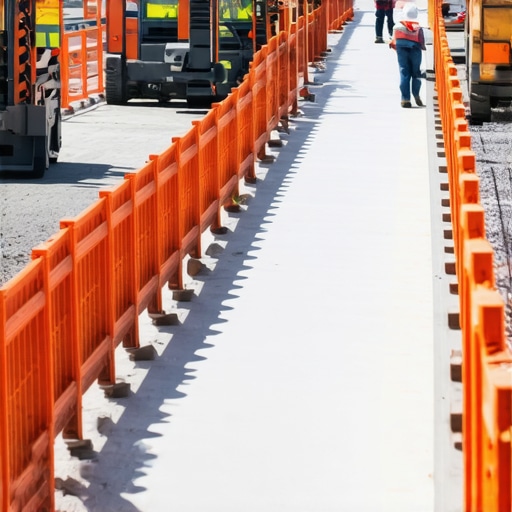
It was a typical morning on the construction site when I almost tripped over an unseen utility line. The dirt and debris had obscured crucial underground hazards, making it a near-miss that left me questioning just how many risks were hidden in plain sight. That moment was a real eye-opener. If I had known then what I know now about effective daylighting and site services, that accident could have been avoided entirely.
Why Proper Daylighting Can Transform Construction Safety
In my years working around construction projects, I’ve seen firsthand how poor visibility underground can be a silent killer. Hidden utilities, unmarked boreholes, and lack of clear access routes not only delay work but can cause serious accidents. The good news? There are modern solutions—like optimized borehole strategies and vacuum excavation—that drastically improve site visibility and safety. These technologies create safe corridors for workers and ensure that underground hazards are mapped accurately before anyone sets foot in danger zones. If you’re still relying solely on traditional methods, you might be unknowingly putting your team at risk. I encourage you to explore how daylighting can make your projects safer and more efficient by checking out trusted site services providers. Want to learn how daylighting can become your site’s safety backbone? Let’s dive into the most common concerns that often hold people back from adopting these innovations.
Is Daylighting Actually Worth the Hype, or Is It Just a Fad?
Many skeptics I’ve met wonder if investing in advanced daylighting solutions truly pays off. After all, these technologies require upfront costs and a shift in planning routines. I made the mistake early in my career of dismissing these tools as unnecessary extras. That was a costly oversight. The truth is, proper site visibility and subsurface assessment are invaluable—reducing not just accidents but also project delays and budget overruns. According to recent studies, companies that adopt innovative site services report up to 30% improvements in safety metrics and project timelines. So, if you’re skeptical, ask yourself: Have I truly evaluated the risks of underground hazards or just relied on outdated methods? If you’re ready to make safer, smarter choices, I recommend understanding the fundamentals of these solutions—like effective borehole installation tips and reliable utility mapping—by diving into detailed resources and consulting with experts. Better yet, connect directly with specialists who can tailor daylighting strategies for your specific project needs.
Assess Underground Hazards with Precision
Start your process by mapping all existing utilities and underground features. Use reliable utility mapping technologies such as electromagnetic sensors or ground-penetrating radar to identify subsurface elements accurately. For example, I once utilized vacuum excavation to verify a suspected utility line before breaking ground, preventing a costly mishap. This step minimizes surprises and guides your subsequent actions effectively.
Choose the Right Site Services Provider
Selecting a provider experienced in complex excavation and daylighting is critical. Consider their expertise in borehole installation and vacuum excavation techniques. Review their track record and references, and ensure they adhere to safety standards. For instance, consulting with specialists from this resource helped me find a partner capable of executing precise utility mapping and borehole installation efficiently.
Implement Accurate Borehole Installation for Daylighting
Design borehole placements based on your utility maps. Use modern drilling methods that allow for minimal disruption and precise positioning. I once coordinated with borehole drilling experts to install boreholes that served as lighting access points, greatly simplifying the daylighting process. Properly installed boreholes serve as reliable access points and aid in illuminating underground features for ongoing safety checks.
Leverage Vacuum Excavation for Safe, Clean Site Prep
Use vacuum excavation to expose utilities without damaging them. It employs high-powered suction to remove soil gently, revealing underground assets clearly. During a project, I employed vacuum excavation to verify utility routes before trenching—this prevented accidental utility strikes and kept the site organized. This technique enhances safety and preserves existing infrastructure.
Integrate Daylighting into Site Planning
Plan all activities around daylighting points. Clear access routes should be established for workers and equipment, with lighting inserted where needed to improve visibility. I remember redesigning a cramped site layout to include dedicated illumination points, which significantly reduced accidents during nighttime operations. Proper integration ensures continuous awareness of underground conditions.
Monitor and Adjust Strategies Dynamically
Continuously assess site conditions and adjust your daylighting and site service strategies accordingly. Employ real-time monitoring tools and regular inspections. For example, I adapted the layout after noticing certain areas remained poorly illuminated, which I quickly rectified by adding supplementary lighting, maintaining safety standards throughout the project.
By following these core steps—mapping accurately, choosing expert partners, installing boreholes precisely, utilizing vacuum excavation, and ongoing monitoring—you can significantly elevate safety and efficiency on your construction site. Every step builds toward creating a safer environment, reducing risks associated with underground hazards, and ensuring project success.
Many professionals in the construction industry hold entrenched beliefs about vacuum excavation and site services that can hinder safety and efficiency. One common misconception is that these technologies are merely optional upgrades rather than essential components of modern excavation practices. In reality, neglecting advanced techniques like vacuum excavation can lead to costly mistakes, such as utility strikes or underground hazards going unnoticed. For example, relying solely on traditional trenching without using vacuum excavation increases the risk of damaging utilities and causing service outages.
A particularly tricky trap is assuming that all site services are created equal. Not all providers have the expertise or equipment to perform accurate utility mapping or borehole installation, which are crucial for successful daylighting. Choosing a provider without proper experience can result in misaligned boreholes or incomplete underground assessments, risking future delays or accidents. To avoid this, it’s vital to evaluate the provider’s track record and technical capabilities, such as their proficiency in reliable utility mapping and precise borehole installation.
What do most overlook about integrating daylighting with underground utilities?
Many overlook the nuanced coordination needed to seamlessly incorporate daylighting alongside existing underground infrastructure. It’s not just about drilling boreholes but also about designing these access points to maximize safety and utility visibility while minimizing disruption. Advanced borehole strategies, like those discussed in borehole installation tips, emphasize the importance of aligning borehole placement with detailed utility maps. Without this integration, projects risk delays and safety issues.
Another often ignored nuance involves the dangers of inadequate training and misinterpretation of data during site assessments. A small error in reading geophysical survey results or in site preparation can cause hazardous utility strikes. This is why investing in expertise and understanding the complex layers of underground environments is critical. As pointed out by industry experts, proper site services including vacuum excavation not only help locate utilities but also preserve the surrounding environment and infrastructure.
Remember, advanced site services are not just a luxury—they are a necessity for modern construction safety. Getting these nuances right can mean the difference between a smooth project and a costly disaster. Have you ever fallen into this trap? Let me know in the comments, and stay vigilant in your site planning efforts.Maintaining peak performance in vacuum excavation and site services requires more than just upfront planning—it demands the right tools, diligent upkeep, and adaptive strategies. One of my go-to pieces of equipment is the **Reverse Circulation Drill**. I personally favor this method because it minimizes soil disturbance and allows for efficient borehole installations, especially when integrating daylighting solutions. Its precision reduces the risk of utility strikes, which can be catastrophic for project timelines and safety. Incorporating advanced **utility mapping software** like *GPR Genius* has also revolutionized how I plan site access. This software provides real-time subsurface imaging, enabling me to visualize underground utilities with remarkable accuracy before drilling or excavation. As technology advances, I predict a shift towards **AI-driven predictive maintenance** for underground assets, which will further prolong equipment lifespan and ensure safety.
How do I keep my site services operating smoothly over time?
Regular maintenance is key. I recommend developing a scheduled checklist that encompasses inspecting hoses, ensuring hydraulic systems are free from leaks, and calibrating sensors periodically. For example, I routinely replace worn-out filters and carry spare parts—this proactive approach prevents unexpected breakdowns. Using **ultrasonic sensors** for equipment testing allows early detection of wear before failures occur. It’s also essential to keep a detailed log of all maintenance activities; this helps track performance trends and plan future upgrades effectively. Furthermore, investing in **training** for your operators on the latest techniques and equipment ensures tasks are performed correctly and safely. For instance, I attended a workshop on the latest vacuum excavation safety protocols, which greatly improved my team’s efficiency and safety awareness. Looking ahead, integrating **IoT sensors** into your machinery can provide continuous health monitoring, alerting you to potential issues before they escalate. I strongly suggest trying out a predictive maintenance system—it’s a game changer for long-term reliability. To dive deeper into advanced borehole strategies that enhance service consistency, check out [this resource](https://deepdrillpro.com/optimizing-borehole-strategies-to-enhance-service-reliability). In summary, combining quality equipment, routine upkeep, operator training, and embracing new technologies ensures your site services remain reliable and safe, paving the way for successful project completion.
What the Hidden Hazards Taught Me About Construction Confidence
One of the most profound lessons I learned was that overlooking the subtleties of underground utility mapping can lead to costly setbacks. My early reliance on traditional methods sometimes blinded me to the importance of precise borehole placement. That oversight reminded me that safer site strategies hinge on embracing innovative technologies with trust and understanding. It became clear that mastering these tools transformed my projects from reactive to proactive, reducing surprises underground and building my confidence in every step.
Top Tools That Elevate Site Safety Beyond the Basics
In my journey, I discovered an array of tools that revolutionized my approach—such as utility mapping software that offers real-time insights, and vacuum excavation techniques which safeguard underground assets. These technologies have become my trusted partners, ensuring precise borehole installation and safer daylighting. Investing in these resources proved crucial for delivering projects efficiently and securely, reinforcing that the right tools are the backbone of effective site services.
Championing Change: Your Next Step in Safe Construction
The future favors those willing to incorporate advanced daylighting and site service strategies into their workflows. My advice? Start small—perhaps by evaluating your current utility mapping processes—and embrace learning opportunities that deepen your understanding of emerging innovations. Adopting these practices isn’t just about compliance; it’s about creating a culture of safety, efficiency, and resilience. Remember, the most successful projects are those where safety is woven into every decision. Are you ready to lead your team toward smarter, safer construction practices? Take action today by exploring trusted resources and connecting with experts who can guide your path forward. What’s your next move in transforming underground safety on your site? Let me know below.
Reading through this post, I was reminded of a project I worked on last year where we faced significant challenges due to underground utility misidentification. We relied heavily on traditional mapping techniques, which led to a utility strike that delayed the project by weeks and increased costs. Since then, I’ve adopted vacuum excavation and ground-penetrating radar as standard practices, and the difference in safety and efficiency has been remarkable. It’s clear that proper daylighting isn’t just a safety upgrade but a crucial component of project planning.
One thing that often gets overlooked is how critical the integration of these technologies is into the overall site management plan. Proper coordination means ensuring that every team member understands the utility maps and the purpose of boreholes, maintaining clear communication channels. Have others found that increased training and detailed documentation significantly improve the safety outcomes when adopting these new techniques? I believe that investing in crew education is just as important as the technology itself to truly maximize safety and productivity.
This post hits the mark on how underestimated underground visibility truly is in construction safety. I remember a project where we relied only on old-fashioned hand-drawn utility maps, which proved unreliable in complex urban settings. After incorporating vacuum excavation and ground-penetrating radar, our team was able to identify critical utilities before breaking ground, which significantly reduced delays and hazards. It’s clear these modern daylighting techniques are game-changers, but I wonder—what are the main challenges companies face when integrating these new technologies into their existing workflows? Do you think resistance to change or upfront costs are the biggest hurdles, or is it a lack of training? From my experience, staff training and buy-in from all levels are essential for these safety measures to succeed. The industry seems to be shifting towards smarter, safer methods, but it still requires a cultural shift and proper education. Would love to hear others’ experiences—how have you managed the transition to incorporating these innovative safety strategies effectively?