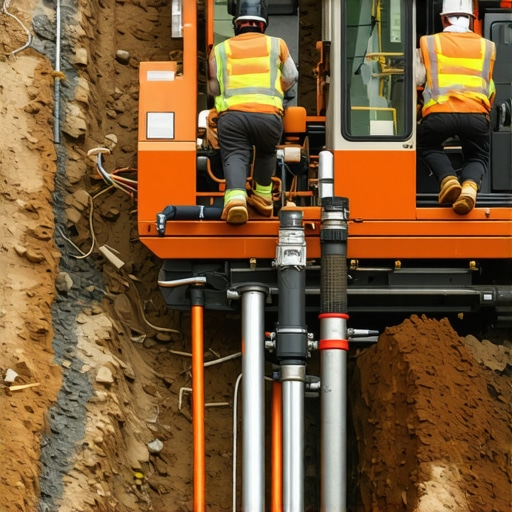
It was a hot summer day when I realized a costly mistake I’d been making during my early projects. I had rushed into excavation without properly assessing what lay beneath the surface. The result? Unpredictable delays, unexpected utility strikes, and a heightened safety risk that could have been avoided. That lightbulb moment taught me a valuable lesson: the importance of utilizing accurate, reliable site services such as vacuum excavation and daylighting. These techniques aren’t just safety buzzwords—they are game-changers for any construction or infrastructure project looking to move forward confidently.
Transforming your site safety with expert services
In my experience, the difference between a smooth project and a messy one often hinges on the initial site assessment. Traditional excavation methods can sometimes be invasive and imprecise, risking damage to underground utilities or hidden hazards. That’s where specialized site services, specifically vacuum excavation and daylighting, come into play. They allow us to perform precise and safe subsurface investigations, reducing the risk of accidents and project delays. It’s like having a clear window into what’s underground—inviting, right?
The benefits of these advanced techniques go beyond safety. They also help in reducing site disruption, cutting down on costly rework, and fostering a more environmentally-conscious approach. You can read more about how vacuum excavation enhances safety and accuracy in site assessments at [Deep Drilling’s comprehensive guide](https://deepdrillpro.com/vacuum-excavation-the-key-to-accurate-subsurface-assessments). Whether you’re planning for utilities, boreholes, or complex excavations, integrating these technologies can make all the difference.
So, have you ever faced unexpected utility strikes or safety incidents that set your project back? If so, you’re not alone. It’s a common pitfall, but one that good planning and expert site services can prevent. Now, let’s explore what makes safe and precise site services not just a convenience but a necessity in today’s construction landscape.
Identify Underground Utilities Before Starting
During my first major project using vacuum excavation, I insisted on utility mapping before any dig. Think of it like a treasure map—marks indicate where pipes and cables are buried. Utilize reliable utility detection tools and cross-reference geographic information systems (GIS). This helps prevent utility strikes and costly delays, ensuring a safer work environment. For an in-depth approach, explore how utility mapping enhances site safety at this resource.
Prepare the Site with Accurate Borehole Planning
Choose the Right Location and Depth
When planning a borehole for daylighting, I consider the underground layer composition and access points. This is similar to planning a secret underground tunnel—knowing the terrain guides the drill. Proper site assessment ensures maximum effectiveness and reduces the need for rework. Find tips on strategizing borehole placement at this page.
Select Appropriate Equipment
Using the right vacuum excavation truck or borehole drill matters. I’ve learned that equipment suited to soil type and project scope yields cleaner, safer excavations. For example, high-vacuum systems excel in sensitive urban environments where minimal disturbance is crucial. To choose the best tools, review the selection criteria at this guide.
Execute Excavation with Precision and Safety
During excavation, maintaining control over the process minimizes risk. I maintain constant communication with my team, like conducting a symphony—every instrument has a role. For deeper insights into safe excavation practices, see this resource. Use daylighting techniques to visually confirm utility clearance—think of it as shining a flashlight into a tunnel before proceeding. This not only prevents accidents but also accelerates project timelines.
Review and Adjust in Real-Time
After initial excavation, I analyze the results immediately. Adjustments like recalibrating equipment or changing the site approach are common—much like tuning a guitar. Document the findings and update maps or plans accordingly, utilizing digital tools for accuracy. For comprehensive verification methods, visit this page.
Many professionals assume that relying solely on traditional excavation methods ensures safety and efficiency, but this belief often leads to overlooked nuances that can compromise project success. For instance, a widespread misconception is that all soil types respond similarly to vacuum excavation; in reality, soil composition varies widely and demands tailored approaches to prevent damage or delays. Ignoring these differences is a common mistake that savvy practitioners learn the hard way, often resulting in costly rework or safety hazards.
Are there hidden complexities in utility detection that even seasoned engineers might underestimate?
One nuanced aspect is the accuracy of utility locating methods. While electromagnetic sensors are standard, their effectiveness can be limited by underground conditions, leading to false positives or missed hazards. Incorporating advanced tools like ground-penetrating radar (GPR) and cross-referencing multiple data sources improves reliability, as highlighted by experts in the field. Relying on a single technique can be risky, since studies show that combining methods reduces utility strike incidents significantly. Be cautious of the trap of overestimating your detection capabilities; always validate findings with multiple technologies. Moreover, many overlook the importance of soil stabilization during daylighting and borehole drilling. Without proper stabilization, soil collapse can occur, compromising safety and accuracy. Using techniques such as soil mats or foams may seem unnecessary but are critical for high-precision projects. Advanced contractors understand that neglecting these details can lead to delays and safety breaches, which could be mitigated with proper planning and knowledge. Remember, the key to successful site services is not just in choosing the latest equipment but understanding the subtle behaviors of your environment. For example, integrating comprehensive site assessments—including soil analysis and utility validation—can significantly improve project outcomes. If you’re keen to refine your approach, exploring resources that delve into the nuanced roles of vacuum excavation and daylighting can provide valuable insights. Experts emphasize that mastering these details transforms good practice into best practice. So, do you think all soil types can be excavated safely with standard equipment? Think again—each site may present unexpected challenges. Have you ever fallen into this trap? Let me know in the comments.Maintaining the efficiency and safety of site services like vacuum excavation and daylighting isn’t just about choosing the right equipment; it’s about adopting a proactive approach to upkeep that ensures consistent performance over time. One tool I highly recommend is the use of automated maintenance management software such as PlanGrid or(Blueprint) that keeps track of routine inspections, repairs, and calibration schedules, reducing downtime and extending equipment lifespan. Regularly scheduled preventative maintenance, guided by manufacturer specifications, can prevent costly breakdowns and safeguard your team, especially when handling sensitive tools like high-vacuum systems or GPR units. Visual inspections should be complemented by performance audits—checking suction power for vacuum trucks or accuracy of utility detection devices—to catch issues before they escalate. Alcohol-based cleaning solutions or compressed air can keep sensors and moving parts free of debris, ensuring precision during daylighting operations. To achieve long-term reliability, documenting all maintenance activities allows for trend analysis, which can inform future equipment upgrades or training needs. A future trend I foresee in this space is the integration of IoT sensors that monitor equipment health in real-time, providing early alerts and reducing manual checks. For those wondering, “How do I maintain daylighting tools over time,” it’s crucial to perform calibration checks after each use and schedule recurring inspections for stability and cleanliness, especially in harsh environments. Incorporating these best practices and leveraging advanced tools can significantly reduce service interruption risks. If you’re eager to improve your site service maintenance, I suggest exploring digital maintenance solutions alongside traditional routines. For more insights into how site services contribute to project reliability, check out this comprehensive guide on vacuum excavation at this resource. Don’t forget: regular, meticulous tool care not only boosts productivity but also enhances safety—try implementing a dedicated maintenance checklist today.
Over the years, I’ve learned that the biggest breakthroughs in safe and efficient site services often come from embracing the nuances others overlook. For instance, trusting automated utility detection without cross-verifying with ground-penetrating radar (GPR) can lead to dangerous utility strikes, risking delays and safety incidents. Real progress involves integrating multiple technologies and understanding soil behavior variations—simple yet powerful strategies that transform your project outcomes. Always question whether your current methods are sufficient; sometimes, it’s the unanticipated details that determine success or failure. Remember, the key isn’t just in sophisticated equipment but in your willingness to dig deeper into environmental nuances and adapt accordingly.
Reading this post really highlights how critical proper site assessment is before starting excavation work. I remember a project where skipping detailed utility mapping led to a utility strike that cost us both time and money—definitely a lesson learned the hard way. Since then, I’ve become a strong advocate for using vacuum excavation combined with ground-penetrating radar (GPR) and GIS data to ensure accuracy.
One aspect I find intriguing is soil stabilization during daylighting and borehole drilling. In urban environments, soil collapse can be a hidden hazard that compromises both safety and project accuracy. Has anyone here experimented with innovative stabilization techniques that balance environmental concerns and safety? I’d love to hear about new methods or materials that have worked well.
This article really hits home about the importance of thorough site assessments before diving into excavation. I’ve seen firsthand how rushing into digging without verifying underground utilities can lead to dangerous accidents and costly delays. The use of vacuum excavation and daylighting techniques provides such a clear advantage—it’s almost like illuminating the path to safety and efficiency. I particularly appreciate the emphasis on real-time review and adjustment, which is crucial for maintaining accuracy throughout the project.
In my recent experience, combining advanced utility detection with soil analysis greatly improved the predictability of the excavation process. It makes me wonder, how do others here handle the balance between thoroughness and project timeline constraints? Do you find that investing more time in upfront assessments consistently pays off in smoother project execution? I’d love to hear about strategies that have helped your teams prioritize safety without sacrificing productivity.
This post really underscores a crucial aspect of excavation work that can sometimes be overlooked in the rush to meet project deadlines—proper site assessment. From my experience, the initial planning phase is where most safety mishaps and costly delays originate if not approached thoroughly. I agree that vacuum excavation and daylighting are game-changers, especially when it comes to minimizing risks with underground utilities. I’ve had situations where failure to identify utility lines correctly led to major setbacks, but integrating advanced detection tools helped us avoid further issues.
One challenge I’ve faced is balancing the detailed assessment process with tight project timelines. Sometimes, it feels like the industry leans towards haste rather than precision. How do others here ensure thoroughness without sacrificing project speed? Have you adopted any particular strategies or technologies that streamline these preliminary steps while maintaining safety? I believe that investing time upfront in these procedures ultimately pays off by preventing avoidable accidents and rework, but I’d love to hear real-world approaches that others have found effective.