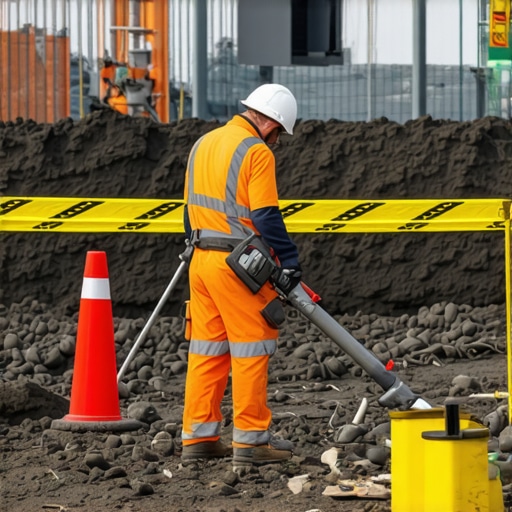
I remember the moment vividly—standing on a construction site, watching a trench unexpectedly collapse after a minor miscalculation. My heart pounded. In that instant, I realized how crucial proper vacuum excavation techniques are for safety, efficiency, and avoiding costly delays. It was a lightbulb moment that prompted me to delve deeper into the subject, especially with the developments heading into 2024.
Why Safe Vacuum Excavation Can Save Your Project—and Its People
In the world of site development, the phrase “safety first” isn’t just a slogan—it’s a necessity. Vacuum excavation has emerged as a game-changing method that minimizes risks associated with traditional digging. But even with cutting-edge equipment, the real game-changer is in the techniques and procedures we follow. Making sure you’re using the safest practices isn’t just about compliance; it’s about protecting lives and preventing costly setbacks.
Early in my career, I once underestimated the importance of thorough training. I thought knowing how to operate the machinery was enough. That mistake nearly caused a utility line to be severed, leading to hours of delays and a potential hazard for workers. Since then, I’ve learned that safety isn’t just a checklist—it’s a mindset backed by continuous learning and adherence to best practices. For instance, recent studies show that the adoption of advanced vacuum excavation techniques reduces the risk of utility strikes by up to 70% (Deep Drill Pro).
Is Your Routine Still Putting Safety on the Backburner?
If you’ve faced similar issues or think that your current practices are enough, I urge you to reconsider. The landscape of site services is evolving—what was safe yesterday might be risky today. Staying ahead means embracing the latest techniques and understanding the potential pitfalls. Are you confident in your team’s knowledge and application of vacuum excavation safety measures? If not, it’s time to reevaluate and learn from real-world experiences and expert insights.
In the upcoming sections, I’ll share practical, proven strategies that can help you implement safer, more reliable vacuum excavation procedures. Whether you’re new to the field or looking to refine your practices, these insights aim to protect your team and ensure project success. Let’s dive into the essential techniques that will define your safety standards for 2024 and beyond.
,
Plan Your Approach Carefully
Before breaking ground, create a detailed plan that includes soil type, utility locations, and access points. I recall a project where skipping thorough planning led to utility strikes. Conduct a comprehensive survey, review existing site data, and consult utility maps to avoid surprises. Use tools like utility mapping services to enhance accuracy and safety.
Select the Right Equipment and Techniques
Matching your vacuum excavation method to the site’s conditions is crucial. For soft soil, high-vacuum systems with gentle excavation settings work best, akin to using a gentle vacuum for delicate objects. For harder soils, consider pre-treatment techniques to facilitate excavation. I once chose a conventional vacuum system for a clay-heavy site, which resulted in prolonged process and increased risk; switching to a high-powered, precision system improved outcomes instantly. Vacuum excavation best practices are available to guide this selection.
Train Your Team Thoroughly
Proper training is the backbone of safety. I witnessed a near-miss when an inexperienced operator misjudged the vacuum pressure, causing an unintended utility exposure. Implement regular training sessions covering equipment operation, emergency procedures, and safety protocols. Use simulation drills to reinforce learning, much like pilots practice emergency landings—realistic practice saves lives.
Utilize Daylighting and Borehole Technologies Effectively
Integrate daylighting techniques to verify subsurface conditions visually. For example, installing boreholes with proper strategic boreholes allows for real-time assessment and reduces guesswork. When I incorporated borehole lighting into a project, it helped identify unexpected obstructions early, preventing costly delays and ensuring safety.
Implement Continuous Safety Checks
Safety isn’t a set-it-and-forget-it task. During excavation, constantly monitor soil stability, equipment operation, and environmental conditions. I remember adjusting vacuum parameters mid-project after observing soil slumping, which prevented a partial collapse. Use checklists, real-time sensors, and clear communication channels to maintain vigilance. Consider adopting advanced site services for enhanced monitoring.
Review and Document Every Step
Meticulous documentation helps track safety performance and guides future projects. After an excavation, I documented lessons learned, particularly about soil behavior and equipment responses. This record proved invaluable for subsequent projects, highlighting what techniques led to safer, faster completion. Maintain records of borehole logs, equipment settings, and safety inspections, ensuring compliance and continuous improvement.
Emphasize Safety Culture
Foster a mindset where safety is everyone’s responsibility. I once led a safety brief that empowered crew members to voice concerns—this proactive approach prevented potential hazards. Regular meetings, safety incentives, and open communication cultivate an environment where safety standards become second nature. For more insights, explore site service strategies that promote a safety-first culture.
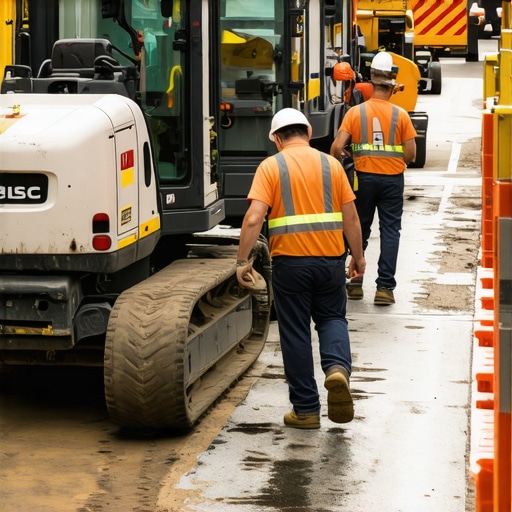 While common knowledge emphasizes the importance of selecting the right equipment or following safety protocols in vacuum excavation, many professionals overlook the deeper intricacies that can make or break a project’s success. One prevalent myth is that standard vacuum systems suffice for all soil types and conditions, but in reality, this oversimplification can lead to costly delays or accidents. Advanced techniques, such as tailored borehole strategies and precise daylighting methods, are often underestimated in their impact on site safety and operational efficiency. For example, integrating optimized borehole placement not only enhances subsurface assessments but also significantly reduces unexpected obstructions, as highlighted in recent industry studies.
A crucial trap to avoid is assuming that all utility mappings are equally accurate. Relying solely on outdated or generalized data can cause utility strikes, risking both safety and project timelines. Specialized utility mapping services that incorporate real-time data and advanced geophysical techniques are essential for precise planning. Moreover, many underestimate the importance of continuous safety monitoring during excavation, believing initial training is enough. In practice, dynamic soil conditions demand adaptive protocols and real-time sensors to promptly detect soil instability or environmental hazards, thus preventing major incidents.
For the seasoned practitioner, this leads to a vital question: How can we integrate these advanced insights into everyday site operations to achieve safer, more reliable outcomes? The answer lies in embracing a proactive safety culture that values ongoing education, cutting-edge technology, and meticulous planning. Investing in comprehensive borehole and daylighting solutions, as discussed in expert-focused resources, can provide a significant advantage. Additionally, leveraging innovative site service strategies from trusted industry sources ensures that your team stays ahead of potential risks.
By shifting the focus from basic procedures to nuanced, evidence-based practices, you’ll not only improve safety but also enhance project efficiency and reputation. Have you ever fallen into this trap of underestimating the finer details in site work? Let me know in the comments.
Invest in Reliable Equipment for Consistent Results
When it comes to vacuum excavation and site services, quality equipment makes all the difference. I personally rely on high-capacity vacuum systems from trusted manufacturers like Deep Drill Pro that offer precise control and durability. These machines equipped with advanced filtration systems minimize emissions and dust, ensuring compliance with environmental standards while maintaining operational efficiency.
In addition to machinery, investing in sophisticated monitoring tools such as real-time soil sensors allows for immediate feedback during excavation. This proactive approach helps identify issues before they escalate, preserving equipment life and avoiding costly delays. Remember, choosing the right tools isn’t just about immediate needs; it’s about enabling ongoing performance and safety.
Master Your Maintenance Routine to Extend Equipment Lifespan
Consistent maintenance is key to keeping your site operations running smoothly. Daily checks on hydraulics, filters, and hoses prevent unexpected breakdowns. I recommend establishing a structured maintenance schedule aligned with manufacturer guidelines — I personally use digital maintenance management software that reminds me of upcoming service tasks, reducing oversight.
Don’t forget to keep a detailed logbook of maintenance activities; this record aids in diagnosing recurring issues and planning future upgrades. Regular calibration of sensors and controls ensures your systems operate at peak efficiency, leading to dependable site performance over years.
How do I maintain long-term reliability in site services?
Long-term reliability hinges on consistent upkeep and adapting to evolving site conditions. Technologies like borehole sensors and daylighting data integration, discussed in deep industry insights, are instrumental in this effort. By adopting a mindset of continuous improvement and leveraging these advanced techniques, you prepare your team to respond efficiently, even in complex or unexpected scenarios. Remember, proactive maintenance combined with the latest tools ensures your operations remain resilient, optimized, and safe for the long haul. Consider integrating a regular review cycle to assess equipment condition and incorporate emerging innovations, setting your projects—and your team—up for sustained success.
Lessons the Hard Way from the Trenches
- Invest more in real-time utility mapping than I thought necessary—seeing potential utility strikes ahead of time can save weeks of delays and protect lives. I once dismissed outdated maps, only to learn the importance of precise data firsthand.
- Daylighting isn’t just a visual aid; it’s a safety game-changer. Early in my career, neglecting strategic borehole placement led to unexpected obstructions. Now, I know thorough daylighting plans can prevent costly surprises.
- Continuous training and equipment calibration are vital—what seems minor, like vacuum pressure adjustments, can impact safety dramatically. I’ve learned that proactive calibration and ongoing education form the backbone of reliable site operations.
- Never underestimate soil variability. Surveys and adaptive techniques, such as adjusting vacuum settings or pre-treating soils, have repeatedly saved projects from collapse or utility damage. Deep understanding of soil behavior is essential for safe excavation.
- Fostering a safety-first mindset within your team makes the difference. Empowering crew members to voice concerns has often averted major hazards before they arose, proving safety is a collective responsibility.
Tools That Hold Up Over Time and Technique
- Trusted equipment from industry leaders like Deep Drill Pro offers durability and precision, reducing operational risks. Their advanced filtration systems and intelligent controls help maintain safety and compliance.
- Regularly updating maintenance routines with digital management software ensures equipment longevity and reliable performance. Logging every inspection helps diagnose issues early and plan upgrades effectively.
- Incorporate innovative monitoring tools such as soil sensors and real-time data analytics—tools discussed in industry insights—to respond swiftly to changing conditions, minimizing risks and downtime.
- Refine your borehole and daylighting techniques by accessing expert guides—these strategies help you visualize subsurface conditions, reducing guesswork and enhancing safety.
Your Next Step Toward Safer, Smarter Projects
Are you ready to integrate these insights and elevate your vacuum excavation practices? Remember, the landscape is always evolving—embracing continuous improvement and technological advancements is key to safeguarding your team and ensuring project success. The future of site services hinges on your willingness to adapt and learn from proven strategies. What’s your biggest challenge in maintaining safe excavation procedures? Share below and let’s grow together.
Reading this post really highlights how vital thorough planning and continuous training are for safe vacuum excavation. I’ve seen firsthand how skipping a detailed site survey or rushing through initial preparations can lead to serious setbacks or safety incidents. The emphasis on integrating technology like real-time sensors and borehole lighting is something I wholeheartedly agree with. In some recent projects I’ve been involved with, incorporating these advanced techniques made a significant difference, especially in complex soil conditions.
What do others think about the balance between investing in high-end equipment versus training and planning? From my perspective, even the most sophisticated tools can’t replace a well-trained, safety-minded team. I’d love to hear how other sites are handling this balance and any tips for small teams looking to upgrade their safety protocols effectively.
This post really hits home for me because I recently worked on a project where we underestimated the importance of detailed planning and advanced technology adoption. We faced unexpected utility issues because we relied on outdated maps, which caused delays and safety concerns. Implementing real-time utility mapping and borehole lighting made a major difference in subsequent projects, helping us identify surprises early and respond swiftly. I’ve found that continuous safety checks and team training are just as crucial as investing in high-quality equipment — they create a comprehensive safety culture that prevents accidents before they happen. I’m curious, how do other teams balance investment in technology versus ongoing training, especially in smaller operations with limited budgets? In my experience, a proactive approach combining both aspects truly enhances safety and efficiency. It’s inspiring to see how these practices can improve project outcomes and protect workers, especially as we head into 2024 with new technological developments. Would love to hear more about how others are integrating these strategies on their sites.