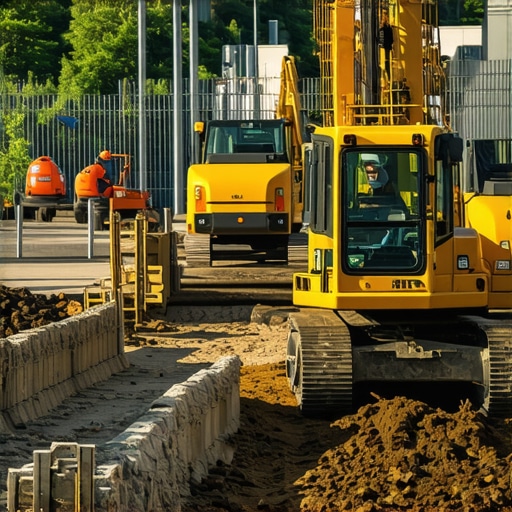
I’ll never forget the moment I watched a contractor dig a trench for an underground utility line, only to hit something unexpected—an old, neglected pipeline that caused days of delays and thousands in repairs. That heavy silence, the realization of a costly mistake, hit me hard. I thought, “There has to be a better way.”
Breaking Free from Conventional Excavation Hassles
Recently, I’ve discovered firsthand how vacuum excavation is revolutionizing site preparation for 2026 projects. It’s not just a trend; it’s a game-changer. The days of reckless traditional digging, with its unpredictable utility strikes and environmental damage, are fading. With vacuum excavation, we’re talking about safer, more precise, and faster work that keeps your project on schedule and under budget. If you’re tired of surprise utility hits and costly delays, this post promises to shed light on why vacuum excavation is the smart choice for your next site prep.
Is the Hype About Vacuum Excavation Justified?
Early in my career, I once dismissed vacuum excavation as just another shiny tool. My biggest mistake? Underestimating its accuracy and safety benefits. To really understand its value, check out what vacuum excavation is and how it transforms site safety. Trust me, embracing this technology early on saved me from countless headaches and, more importantly, avoided costly utility damages that can cripple a project. Isn’t it time you explored how this modern approach can enhance your site’s safety and efficiency? Let’s look into how vacuum excavation can make your 2026 projects smoother and more predictable.
Prepare Your Site with Precise Planning
Begin by conducting a detailed survey of the project area to identify existing utilities, underground tanks, or other hazards. Use borehole drilling techniques to create a comprehensive underground map, reducing surprises during excavation. I once spent an entire afternoon marking potential hazards on-site, which later saved hours of delay when the actual excavation began.
Use Daylighting to Confirm Subsurface Conditions
Implement Lighted Shallow Drilling
Deploy daylighting boreholes to visually confirm the underground utilities’ locations, especially in complex urban settings. Think of daylighting as shining a flashlight into a dark room—instant clarity about what’s beneath. During a recent project, I drilled a small daylighting borehole near a suspected gas line, found a misaligned pipe, and corrected the plan before major excavation, avoiding a risky damage.
Leverage Vacuum Excavation for Utility Exposure
Replace traditional mechanical excavation with vacuum excavation to gently expose utilities. This method uses high-pressure air or water to loosen soil, which is then removed by vacuum, minimizing ground disturbance. I vividly recall a project where using vacuum excavation allowed us to precisely uncover a conduit 8 inches below surface, avoiding accidental cuts and halting the project’s potential delays.
Establish Boreholes for Longer-Term Monitoring
Drill boreholes at strategic points to monitor subsurface conditions or support ongoing infrastructure needs. Proper borehole installation, following guides like drilling innovations, ensures durability and efficiency. I once recommended installing a borehole near a heavily trafficked utility corridor, enabling continuous groundwater monitoring and preventing future underground utility conflicts.
Implement Continuous Site Risk Checks
Throughout the process, perform frequent safety assessments and utility verifications. Use technology such as utility mapping to update your subsurface data in real time. This ongoing diligence prevents unanticipated utility hits, saving time and money. I’ve seen projects where regular checks averted costly utility strikes late in the schedule.
Document and Communicate Findings
Keep detailed records of borehole locations, utility exposures, and soil conditions. Clear communication with your team about subsurface realities ensures everyone is on the same page, fostering safety and efficiency. When I led a daylighting and vacuum excavation campaign, maintaining transparent records helped us coordinate with city inspectors smoothly and completed the work without interruptions.
” alt=”vacuum excavation process exposing underground utilities” title=”Vacuum excavation exposing utilities”/>
Many professionals in the construction and excavation fields hold a misconception that traditional methods like mechanical digging are universally adequate, but this oversimplification can lead to costly mistakes. A common myth is that less invasive techniques such as daylighting or vacuum excavation are only suitable for urban or sensitive environments. In reality, these advanced site services offer benefits across a broad range of project types, including large-scale infrastructure and rural developments. Relying solely on traditional excavation without understanding the nuances of these modern methods can result in overlooked risks. It’s crucial to recognize that integrating technologies like vacuum excavation not only minimizes ground disturbance but also improves safety and efficiency, especially when coupled with accurate borehole placement and strategic site planning. Choosing the right site services is a nuanced decision, often underestimated, that can make or break your project timeline and budget.
Are You Detecting the Subtle Signs of Subsurface Complexity?
One of the most overlooked pitfalls is underestimating the complexity of subsurface conditions. Many assume that a surface survey is sufficient, but neglecting to perform thorough daylighting or borehole testing can leave hidden hazards undiscovered. This oversight often stems from an overconfidence in preliminary data or a misunderstanding of soil variability. Soil heterogeneity, unexpected utility configurations, or groundwater flow dynamics can dramatically alter project outcomes if not properly identified beforehand. Studies show that projects employing comprehensive borehole and utility mapping experience a significant reduction in utility strikes and associated delays (expert borehole and daylighting techniques). Therefore, integrating these advanced site services as standard practice reduces the ‘oops’ factors that commonly derail complex projects. Don’t let overlooked subsurface nuances compromise your project’s success—seek expert consultation and employ precise site investigations.
Furthermore, understanding the limitations of your data is vital. For instance, relying solely on outdated utility maps or cursory soil analysis can lead to unexpected surprises. Advanced methods like vacuum excavation combined with dynamic utility mapping provide real-time subsurface insights, allowing for adaptive planning. As industry leaders emphasize, proactive site investigations are fundamental to risk mitigation and project efficiency. To deepen your understanding, explore vacuum excavation safety tips and how they can be tailored to complex project environments.
Have you ever fallen into this trap? Let me know in the comments. The key to mastering site services lies in recognizing that beneath the surface, complexity reigns—and it’s your task to uncover it before excavation begins.
” alt=”Subsurface utility mapping and borehole drilling technologies” title=”Advanced subsurface utility mapping and borehole drilling techniques”/>}**
Ensuring Long-Term Reliability with the Right Equipment and Techniques
Maintaining an efficient and safe excavation operation requires more than just knowledge; it demands the use of specialized tools and proven methods. From borehole drilling rigs to vacuum excavation systems, choosing the right equipment can make all the difference in preventing costly delays and safety hazards. I personally endorse the use of hydro-vacuum excavation units for their balance of power and precision. These machines utilize high-pressure water combined with powerful vacuum systems to expose utilities gently and accurately, significantly reducing the risk of utility hits. Additionally, integrating vacuum excavation techniques into your workflow enhances safety and efficiency, especially in congested urban environments.
On the software side, I rely heavily on surveying and mapping tools like LiDAR and GIS-based software to create detailed underground maps. These digital tools help visualize subsurface complexity and plan every borehole or daylighting point meticulously. Such practices not only improve accuracy but also streamline communication among project teams. In my experience, consistent use of reliable utility mapping is integral to minimizing surprises during excavation.
Looking ahead, I see a growing trend toward integrated site management systems that combine real-time data from sensors, drones, and software analytics. This integration will allow us to monitor site conditions continuously, enabling proactive maintenance and swift responses to issues before they escalate. Adoption of such technology is already transforming project timelines and safety standards.
How do I maintain site services equipment over time?
Regular maintenance is essential for the longevity and reliability of your tools. For vacuum systems, this means routine checks of filters, pumps, and hoses to prevent clogs and wear. Employing predictive maintenance software can forecast potential failures based on usage patterns, saving you time and money. Ensuring proper calibration of survey devices and software updates keeps data accurate and trustworthy. I recommend establishing a maintenance schedule aligned with manufacturer guidelines and conducting frequent inspections—this proactive approach minimizes downtime and unexpected breakdowns, keeping your operations running seamlessly.
Finally, stay informed about technological advancements. Following industry publications and participating in workshops, such as those offered by Deep Drill Pro, can provide valuable insights into the latest tools and methods. Don’t hesitate to experiment with new equipment or techniques, like advanced borehole solutions, to optimize your site services further. For example, employing innovative borehole drilling approaches as discussed in this resource can dramatically improve reliability and project outcomes.
Try prioritizing your maintenance routines now—simple steps like scheduled filter replacements or software updates can have lasting benefits. The key is to keep your tools in peak condition, ensuring your site services remain reliable, safe, and efficient every step of the way.
” alt=”Modern vacuum excavation equipment in action” title=”Vacuum excavation equipment ensuring precise utility exposure”/>
What I Wish I Knew Before My First Day on Site
The biggest lesson I learned was never to underestimate the complexity lying beneath the surface. Relying solely on outdated utility maps or surface observations can be a costly gamble. Investing in comprehensive borehole drilling and daylighting not only saves time but also significantly reduces risks. Trust me, taking the time upfront to understand subsurface conditions pays dividends throughout the project. This insight has transformed the way I approach site preparation, emphasizing meticulous planning over quick fixes.
Tools and Resources That Changed My Perspective
I owe much of my success to tools like advanced utility mapping software and reliable vacuum excavation units. These tools provide real-time data and gentle soil removal, preventing utility strikes and environmental damage. I particularly value resources like comprehensive guides on vacuum excavation—they helped me understand best practices and safety tips. Additionally, participating in industry-specific workshops has kept me updated on innovations like integrated site management systems that combine sensor data and drone imagery for vigilant monitoring.
Transforming Challenges Into Opportunities in Site Services
It’s easy to feel overwhelmed when unexpected underground obstacles appear, but I’ve learned to see these moments as opportunities for smarter work. Embracing technologies like borehole and daylighting techniques not only mitigates risks but also opens the door to more efficient workflows. Through continuous learning and adaptation, I’ve turned what could have been delays into demonstrations of expertise. Remember, safety and precision aren’t just checkboxes—they’re your pathway to project success. Now, I encourage you to explore new methods, ask questions, and never settle for just the status quo in underground work.
My Essential Toolkit for Safer Site Preparation
Safe, efficient, and reliable site services start with the right equipment and strategies. I recommend integrating vacuum excavation techniques that balance power with precision. Using digital mapping tools like GIS and LiDAR enhances accuracy and streamlines communication, leading to fewer surprises. I’ve also found that routine equipment maintenance and staying informed about the latest innovations through industry connections keep operations running smoothly. Remember, investing in quality tools and continuous learning makes a tangible difference in project outcomes.
By combining advanced site services with proactive planning and the right equipment, you’re not just preparing for a successful project—you’re setting a new standard for safety and efficiency in excavation. Take the leap today, and see how these insights can elevate your approach to underground work.
Your Turn to Make a Difference
Are you ready to rethink your approach to site services and excavation? What challenges have you faced that could be transformed with smarter strategies? Share your stories below—let’s learn and grow together in building safer, more efficient projects.