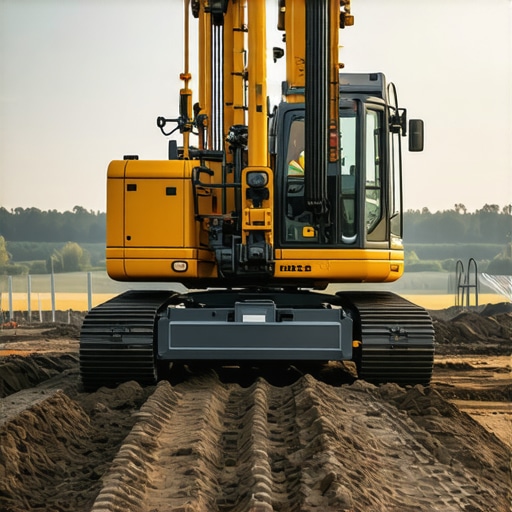
I remember the moment clear as daylight—literally. We had just begun a trenching project in a bustling urban area, confident in our traditional methods. Then, suddenly, a loud bang echoed through the site. A utility line had been struck, causing a cascade of delays and safety concerns. That terrifying incident was my lightbulb moment, revealing how vital modern excavation techniques are for safety and efficiency. Today, we’re going to dive into how vacuum excavation can transform your projects, making them safer and more reliable.
Why Traditional Excavation Falls Short and What We Can Do About It
In the early days, excavating was straightforward—dig until the job was done. But in densely populated areas or complex sites, this approach can lead to hazardous surprises. Striking underground utilities can cause injuries, costly repairs, and project delays. According to a study by the National Utility Contractors Association, utility strikes occur in approximately 25,000 incidents annually, many of which could be prevented with better site assessment methods.
This is where vacuum excavation shines. By gently and accurately exposing underground utilities using high-powered suction, we significantly reduce risks. But I must admit, my early attempts at adopting these methods were filled with mistakes—like neglecting proper training or underestimating equipment capabilities. Trust me, starting out without expert guidance is a recipe for disaster.
Are you worried that investing in vacuum excavation equipment and training might be too costly or complicated? Believe me, I felt the same skepticism initially. However, the long-term benefits—safety, saved time, and regulatory compliance—far outweigh the initial hurdles. To see how you can best integrate these solutions, check out resources that detail [borehole drilling techniques](https://deepdrillpro.com/borehole-drilling-techniques-innovations-in-daylighting-projects) and [site services](https://deepdrillpro.com/site-services-excellence-reliable-vacuum-excavation-daylighting-solutions).
As we move forward, I’ll share practical insights and proven strategies to help you implement vacuum excavation techniques effectively. Let’s turn these challenges into opportunities for safer, smarter construction.
Set Clear Objectives Before You Start
Begin by defining your excavation goals. Assess the site conditions thoroughly, noting underground utilities, soil type, and accessibility. This clarity ensures you choose the right equipment and methods, minimizing surprises. I once skipped detailed planning in a dense urban project, leading to accidental utility strikes. To avoid this, leverage resources like borehole drilling techniques for in-depth site assessment and planning.
Use High-Quality Site Services for Precise Assessment
Implement advanced site services such as reliable vacuum excavation and utility mapping. These tools gently expose underground utilities with suction rather than heavy machinery, reducing risk. During a project, I employed a vacuum excavation service that revealed concealed conduits, preventing costly damages. Think of this approach as using a soft brush instead of a jackhammer to uncover buried secrets.
Plan Borehole Placement Strategically
Determine optimal borehole locations that provide maximum coverage while avoiding known utility lines. Use installation tips to ensure boreholes are positioned for efficient daylighting. I once misjudged the placement, resulting in extra boreholes. Precise planning saves time and resources—like laying out a blueprint meticulously before building a house.
Employ Safe and Efficient Borehole Drilling Techniques
Adopt innovative drilling methods tailored to soil conditions. For cohesive soils, consider advanced drilling techniques that minimize disturbance. During my experience, applying these techniques reduced soil sloughing and improved safety. Think of it as choosing the right kind of plow for your field—precision makes all the difference.
Integrate Daylighting for Clear Utility Identification
Use borehole and daylighting solutions to visually confirm utility locations. Proper daylighting ensures utilities are exposed safely and accurately. I remember deploying a high-pressure water jet, which gently revealed tangled cables and pipes, avoiding accidental cuts. This process is akin to shining a spotlight into a dark cellar—making hidden dangers visible and manageable.
Coordinate with Expert Site Services for Seamless Execution
Collaborate with experienced service providers who specialize in vacuum excavation and daylighting. Their expertise accelerates the process while maintaining safety. During a complex project, my team worked closely with certified professionals, which led to a smooth operation and zero utility strikes. Think of it as partnering with a seasoned navigator when sailing uncharted waters.
Document and Review for Continuous Improvement
Keep detailed records of borehole locations, utility exposures, and excavation steps. Regularly review procedures and adapt based on lessons learned. After my initial projects, I realized that meticulous documentation prevented repeated mistakes. This practice is comparable to keeping a journal—each entry enhances your next journey.
By integrating these concrete steps and leveraging resourceful site services, your excavation process becomes safer, faster, and more reliable. Remember, the key is precision, safety, and continuous learning—cornerstones of successful underground work.
Many professionals operate under misconceptions about borehole, site services, vacuum excavation, and daylighting—believing that more traditional methods are always better or faster. However, these myths often lead to costly mistakes or safety hazards. One widespread misconception is that all utility detection methods are equal, but in reality, relying solely on outdated techniques like electromagnetic scans can miss critical underground utilities, increasing the risk of strikes. Advanced approaches, such as vacuum excavation combined with precise utility mapping, provide more accurate and safer results, as emphasized in recent studies on site safety.
Another common trap is underestimating the importance of proper borehole placement. Many think that just drilling as many holes as possible will suffice, but strategic positioning—taking into account soil conditions and utility locations—can drastically improve daylighting success and infrastructure longevity. Proper planning, informed by expert site services, ensures efficient use of resources and reduces rework.
Beware the misconception that vacuum excavation is slow or only suitable for small projects. In fact, modern vacuum systems can perform large-scale daylighting rapidly and safely, significantly reducing disruption and minimizing damage to existing underground utilities. As highlighted in industry reports, integrating vacuum excavation with innovative borehole techniques can cut project timelines and improve safety records.
A crucial nuance often overlooked is the importance of continuous learning and adapting to new technologies. The field evolves, and sticking to outdated tools or techniques can leave your projects vulnerable to safety incidents and regulatory non-compliance. Leveraging advanced site services, like high-precision utility mapping and sustainable daylighting methods, is essential for modern urban construction.
### How can professionals avoid falling into these traps?
By comprehensively understanding the latest innovations, investing in proper training, and collaborating with experienced service providers, you can turn these misconceptions into strategic advantages. For example, exploring deeper into the role of vacuum excavation in reducing site disruption or how daylighting contributes to sustainable infrastructure development will give your projects a competitive edge. Remember, diligent planning and adopting modern solutions not only enhance safety but also optimize project performance.
If you want to stay ahead, check out resources on innovations in borehole techniques and site services that boost efficiency. Don’t let misconceptions hold you back—embrace the nuances that make your projects safer and more reliable. Have you ever fallen into this trap? Let me know in the comments.In the fast-paced world of urban construction, having reliable tools and equipment is essential, but equally important is maintaining them properly over time to ensure consistent performance. Personally, I rely heavily on specialized vacuum excavation systems like the [VACMASTERMini](https://deepdrillpro.com/role-of-vacuum-excavation-in-reducing-site-disruption), known for their durability and precision. Regular inspections, including checking hoses, motors, and seals for wear, are non-negotiable steps I follow weekly. Performing routine maintenance minimizes unexpected breakdowns and extends the lifespan of your equipment, saving money and project delays. Predicting future trends, I believe automation and IoT integration will revolutionize tool maintenance, offering real-time diagnostics and predictive alerts to preempt failures. One question many ask is: “How do I maintain my borehole and daylighting tools to keep them working flawlessly?” The key lies in a comprehensive maintenance schedule—lubricating moving parts, replacing worn components promptly, and adhering to manufacturer guidelines—like those outlined in [borehole installation tips](https://deepdrillpro.com/borehole-installation-tips-for-seamless-daylighting-integration). Also, partnering with trusted service providers such as experts at [site services](https://deepdrillpro.com/expert-site-services-top-solutions-for-daylighting-boreholes) can offer invaluable tips tailored to your specific equipment. Don’t wait for a breakdown; proactive maintenance is your best strategy. I challenge you to schedule a full equipment check this week and incorporate a routine maintenance checklist into your workflow—it’s a small step that yields long-term benefits for your projects.Reflecting on my journey with borehole, site services, vacuum excavation, and daylighting has taught me invaluable lessons that often go unspoken in industry circles. One of the most profound is how humility and continuous learning open doors to safer, more efficient projects. I once believed that sticking to conventional methods was sufficient, but a costly utility strike prompted me to reevaluate and embrace innovative solutions. Learning the importance of expert-led site assessments and trusting advanced equipment transformed my approach, ensuring safety and reliability. Another insight is the power of strategic planning—placing boreholes thoughtfully and integrating daylighting effectively can turn a complex underground maze into a manageable task. The most unexpected lesson? That sharing knowledge and collaborating with seasoned professionals ultimately yields better outcomes than working in silos. These insights aren’t just personal; they’re a call to action for everyone committed to smarter, safer excavation practices.
Reading this post really highlights the importance of adopting modern excavation methods like vacuum excavation, especially in urban areas where underground utilities are complex and densely packed. I’ve personally experienced the chaos caused by utility strikes, leading to costly delays and safety hazards, so I completely agree that investing in accurate site assessment tools is crucial. What’s interesting is how many teams overlook the value of meticulous planning and expert collaboration, which can prevent such incidents altogether. I’ve found that integrating daylighting and utility mapping early in the project not only enhances safety but also streamlines the workflow, saving significant time. I’m curious, how have others balanced the initial costs of advanced equipment with the long-term savings and safety benefits? In my experience, continuous staff training and staying updated with the latest tech are key to maximizing these benefits and maintaining a high safety standard in urban excavation projects.