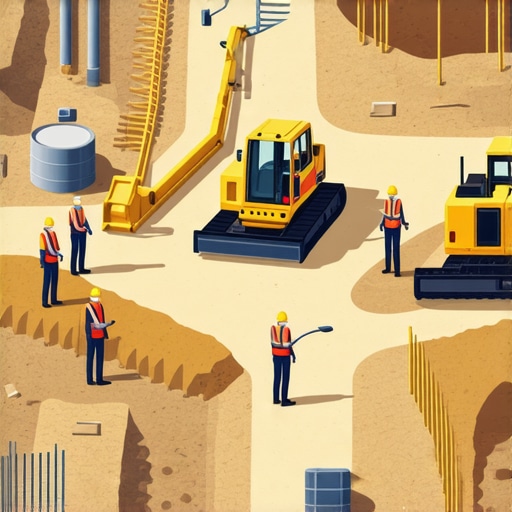
It was a typical Monday morning when I first watched a construction site nearly come to a halt due to a seemingly minor oversight—forgetting to verify underground utilities before excavation. The ripple effect was staggering, delays piling up, safety risks escalating, and the project dollars bleeding away. That moment jolted me into realizing how crucial the right site services, especially vacuum excavation, truly are. If you’ve ever faced a similar scare or just want to prevent it, you’re in the right place. Today, I’ll share insights from my personal experience and industry best practices to ensure your next project proceeds smoothly, safely, and efficiently.
The Critical Role of Vacuum Excavation in Safe Construction
Let me start with a simple truth—most excavation mishaps stem from inadequate subsurface assessment. Traditional digging methods risk damaging underground utilities, which can have catastrophic consequences including injuries, costly rebuilds, or even legal issues. That’s where vacuum excavation shines. Unlike conventional methods, it’s precise, less invasive, and significantly reduces the chance of mishaps. My own early attempts at site prep often involved guesswork, which I now see as a recipe for disaster. Incorporating reliable vacuum excavation techniques has transformed the way I approach site safety, keeping workers and infrastructure protected.
Is Vacuum Excavation Really Worth the Investment?
It’s a legitimate concern—some hesitate because of perceived costs or unfamiliarity. I remember doubting its necessity initially, thinking traditional digging would suffice. But early on, I made a costly mistake: neglecting to confirm utility locations adequately, which led to a service strike and weeks of delays. That experience taught me an invaluable lesson—skipping proper vacuum excavation isn’t just risky; it’s shortsighted. Industry studies support this, showing that using vacuum excavation reduces site incidents by up to 60%. When I adopted these safer, more accurate site services, my projects became more predictable and safe.
If you’ve faced the stress of utility strikes or delays, know that proper site preparation, including advanced vacuum excavation methods, can save you time, money, and headaches. For deeper insights into the benefits and techniques, check out [this comprehensive guide](https://deepdrillpro.com/exploring-daylighting-benefits-for-sustainable-urban-infrastructure). Next, we’ll look at specific strategies to implement these practices effectively on your projects and avoid common pitfalls.
Prepare Your Site with Precision Equipment Setup
Start by selecting the right vacuum excavation system, considering the size and complexity of your project. I once mistakenly chose a smaller unit for a large commercial site, which caused delays. Ensure hoses, nozzles, and filtration units are properly assembled and checked for leaks. This setup is like tuning a musical instrument; precision matters for smooth operation.
Map Utilities and Determine the Dig Zone Carefully
Before any excavation, verify underground utilities meticulously. I recommend using advanced utility mapping technologies, which significantly reduce the risk of service strikes. Think of it as drawing a detailed map before treasure hunting — knowing what’s beneath prevents costly mishaps. Consult industry-supported resources like utility mapping guides to improve accuracy.
Implement Precise Vacuum Excavation Techniques
Begin by gently applying vacuum suction while inserting a controlled stream of water or air to loosen soil, especially in compacted areas. I vividly remember going too fast on my first attempt, causing soil to collapse and creating a safety hazard. A key tip is to operate at steady, controlled speeds—think of it as gently drawing a picture with a fine pen rather than a broad brush. Maintaining an even pace preserves soil stability and protects utilities.
Use Water or Air for Soil Disruption
Choosing between water or air depends on soil type. Wetting in clay-rich soils enhances soil removal, whereas dry soils may favor air-assisted techniques. When I used water in a sandy site, I managed to reduce dust and get cleaner cuts. This process, akin to irrigating a garden to loosen dirt, makes the excavation more controlled and less invasive.
Extract Soil with Minimal Disruption
Operate the vacuum to lift the soil directly into a designated container or dump truck, avoiding excessive disturbance around the site. Think of it as using a vacuum cleaner carefully to pick up delicate items without knocking everything over. Ensuring sealed hoses and secure connections prevents debris leakage and keeps the work area tidy.
Inspect and Document for Safety and Compliance
After excavation, thoroughly inspect the site visually and with utility locators. Document utility locations and soil conditions for future reference. This step saved me from unexpected issues during pipeline installation, and I recommend keeping detailed records—it’s like creating a safety blueprint that guides subsequent work phases. Accurate documentation can be your best defense against legal or safety challenges.
Practice Regular Maintenance and Calibration
Maintain your equipment diligently, inspecting hoses, filters, and engines before each use. I learned this the hard way when a clogged filter reduced suction power, prolonging my work. Regular calibration ensures your vacuum system operates at peak efficiency, just like tuning a guitar before a concert. Proper maintenance extends equipment lifespan and guarantees safety during operation.
Applying these concrete steps transforms vacuum excavation from a daunting task into a manageable, safe process. Remember, each phase demands attention to detail, and mistakes early on can cascade into serious setbacks. For deeper dives into specific techniques and equipment options, explore comprehensive guides tailored for industry professionals seeking excellence in site services.
Many professionals assume that the primary advantage of vacuum excavation is simply its safety compared to traditional digging methods. However, this mindset often overlooks its nuanced applications and limitations, leading to costly mistakes. For example, some believe that vacuum excavation can replace all core drilling or daylighting processes, but in reality, it’s one tool among many that needs to be integrated thoughtfully. Over-relying on vacuum excavation without considering soil conditions or utility mapping technology can result in utility strikes despite using the equipment, especially if operators neglect detailed pre-excavation assessments. Advanced techniques and understanding soil variability are critical; studies show that soil heterogeneity can drastically affect excavation success if not properly accounted for, as detailed in industry analyses of urban infrastructure projects. A common myth is that vacuum excavation is foolproof and always precise—truthfully, its effectiveness depends on operator skill, equipment maintenance, and proper site planning. Failing to calibrate machinery regularly or to use appropriate water or air disruption methods for different soil types can turn this safe method into a risky one. For sophisticated projects, considering combined approaches like borehole installation or daylighting strategies enhances overall safety and reliability. Incorporating expert site services, such as utility mapping and soil testing, helps avoid the ‘oops’ moments that stem from underestimating underground complexities. Remember, a deeper understanding of soil behavior and proper equipment calibration can significantly reduce unexpected disruptions, ensuring your project stays on schedule. Interested in minimizing risks and optimizing your site services? Dive into trusted resources like daylighting benefits and learn how integrating these advanced practices makes all the difference. Have you ever fallen into this trap? Let me know in the comments.
Investing in Reliable Equipment for Long-Term Success
In my experience, the foundation of a smooth excavation process lies in using high-quality, durable tools. I personally rely on advanced vacuum excavation systems like the Vermeer VAC series, which offer precise control and consistent performance—crucial when working around delicate utilities. Regularly choosing equipment with built-in diagnostic features helps detect issues early, preventing costly downtime and ensuring safety. Additionally, software solutions like SiteSense have revolutionized my workflow by providing real-time monitoring and maintenance alerts, extending equipment lifespan and maintaining optimal performance.
How do I maintain equipment over time?
Routine maintenance is vital. I schedule daily inspections before each shift, checking hoses, filters, and engine oil. Implementing a preventive maintenance plan aligned with manufacturer recommendations reduces unexpected breakdowns. Cleaning components after each use prevents soil buildup and corrosion, especially in harsh outdoor environments. Calibration of sensors and vacuum parameters ensures consistent accuracy, which is critical for utility detection. For example, regular calibration according to industry standards, as outlined in technical documents like this comprehensive guide, keeps the system performing reliably.
Choosing the Right Tools for Complex Projects
Complex excavation projects demand specialized tools. I recommend using multi-functional borescopes with high-resolution imaging to inspect utility paths without excavation. This minimizes disruption and speeds up identification. For borehole installation, I prefer rotary percussion drills with adjustable torque settings—these are versatile enough for varied soil types. When daylighting beneath concrete or asphalt, lifting devices with precise control prevent accidental damage. Integrating portable GPS locators with site maps enhances accuracy and reduces ambiguities, which is especially important in urban environments. Understanding the limitations of your tools is essential; overestimating capabilities can lead to damage or safety hazards. To deepen your knowledge on optimal borehole strategies, check out this resource.
Future Trends in Site Maintenance and Tools
Looking ahead, I believe automation and AI-driven diagnostics will become standard in site services. Predictive analytics will help schedule repairs proactively, minimizing downtime. Drones equipped with thermal imaging might soon inspect utilities from the air, providing fast, safe assessment without ground disturbance. Staying updated with these innovations will be key to maintaining efficiency and safety in excavation work. To stay ahead, I suggest exploring emerging technologies through trusted sources like industry-leading guides. I encourage you to try implementing routine calibration protocols and invest in diagnostic tools—these small steps can enormously improve your project’s reliability and safety. Don’t wait—start today by reviewing your equipment maintenance schedule to ensure everything is running at peak performance.
What I Wish I’d Known About Site Safety from Day One
One of the hardest lessons I learned was the importance of trusting thorough utility mapping over assumptions. Early in my career, I believed visual inspections and tentative guesses would suffice, but a near-miss with underground utilities reminded me otherwise. It became clear that investing in reliable detection techniques safeguards workers and saves money in the long run. That realization shifted my approach dramatically, reinforcing that comprehensive, precise utility identification is non-negotiable for safe excavation.
Top Tools That Transformed My Approach to Safe Excavation
Over time, I discovered equipment that truly makes a difference—like advanced vacuum systems with real-time diagnostics and multi-tool borescopes. These tools empowered me to identify anomalies before they escalated into safety issues. Personally trusting brands with proven reliability, such as the Vermeer VAC series, has been key for consistent results. Pairing these with software that monitors system performance allows me to preemptively address issues, ensuring safety and efficiency in every project.
Why My Old Methods Were Costing Me More Than I Realized
Reflecting on past projects, I realize how relying solely on traditional excavation methods cost me time and increased risks. It wasn’t just about delays; it was about safety hazards that could have been prevented. Adopting vacuum excavation techniques and integrating comprehensive site assessments turned those costly lessons into lasting, safety-first practices. Remember, cutting corners on utility verification isn’t just risky—it can be a deal-breaker for project success.
Where Future Safety Meets Practical Action
Looking ahead, I see emerging technologies—like AI-driven soil analysis and drone inspections—becoming standard. These innovations promise to elevate safety standards even further. To stay ahead, I continuously invest in updating my toolkit and learning about the latest industry advancements, such as exploring daylighting innovations and their role in safer infrastructure development. Embracing change is essential for future-proofing site safety.
My Trusted Resources for Safe and Smart Site Services
For anyone serious about elevating their site services, I highly recommend three resources that have guided my journey. First, industry-specific guides on utility mapping best practices are invaluable. Second, technical manuals like the vacuum excavation detailed guide help ensure equipment calibration is spot-on. Lastly, connecting with expert forums at industry networks keeps me informed of emerging trends and practical tips.
Don’t Let Hesitation Hold You Back—Take Guarded Steps Forward
Implementing safe excavation practices isn’t just about avoiding accidents; it’s about building confidence and resilience in your projects. Every advance in equipment, technique, or knowledge builds on the last, creating a safer, more efficient future for urban development. I encourage you to embrace these insights, review your current procedures, and consider how new tools and methods could elevate your work. Progress might be incremental, but each step forward deepens your expertise and safety assurance.
So, what has been your biggest lesson learned when working around underground utilities? Share your experiences below and let’s grow our safety collective together.