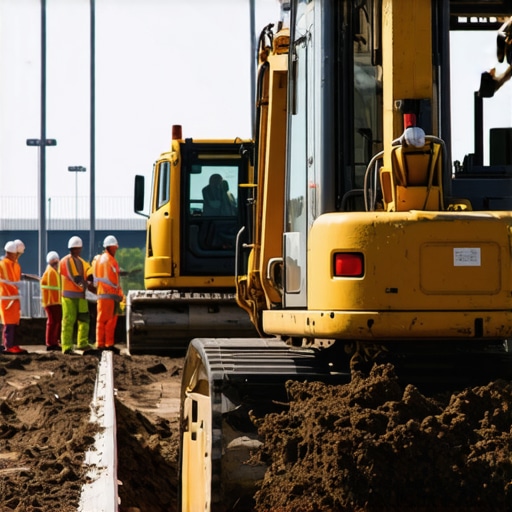
Ever had that sinking feeling when you start digging and suddenly hit an unexpected underground pipe or cable? I’ve been there. That moment of panic, the costly delays, and the safety risks—it’s enough to make any contractor rethink their approach. One lightbulb moment for me was realizing that traditional excavation methods often come with hidden dangers that can jeopardize both safety and project timelines. That’s when I discovered the game-changing advantages of vacuum excavation. Today, I want to share how this technology can transform your construction projects by making them safer, more precise, and ultimately more efficient.
The Hidden Dangers of Traditional Excavation
Many of us, especially those new to site work, underestimate the risks lurking beneath the surface. Conventional digging methods, like backhoes and trenchers, are often blind to what’s underground until it’s too late. I once made the mistake of assuming that the ground was clear because there were no visible signals—only to cause a utility strike that set my project back by weeks. That costly error was a lesson in why safe site practices matter so much. It also led me to explore alternatives that could reduce these risks — and vacuum excavation quickly emerged as a top candidate.
Why Choose Vacuum Excavation?
Vacuum excavation uses high-powered suction combined with pressurized water or air to carefully remove soil and debris. The beauty of this method is its precision. Instead of blindly digging, you can target specific areas, minimizing the chance of hitting underground utilities. Plus, it’s much safer for workers, the environment, and your budget. When I started integrating vacuum excavation into my projects, I immediately noticed a reduction in accidental utility strikes and site disruptions. For more insights on how this technology enhances safety, check out this detailed article.
What This Means for Your Project
Adopting vacuum excavation isn’t just about safety; it’s about efficiency and reliability. It allows for accurate utility mapping and precise borehole installations, which means fewer surprises and smoother workflows. If you’ve faced delays or safety violations on your sites, it’s time to consider the benefits that vacuum excavation offers. Want to see how it can fit into your next project? Reach out to our team for expert guidance and solutions tailored to your needs. With the right site services, your construction journey can be safer, faster, and more predictable.
Pinpoint Underground Utilities with Precision
Start by mapping out the underground environment using vacuum excavation. This technique is like using a giant straw that gently sucks up soil, revealing utilities without risking damage. I once used this method to expose a gas line before laying foundations, avoiding hours of costly delays. To optimize your approach, consider integrating vacuum excavation as an initial step for accurate utility mapping. Learn more about how site services enhance safety at this resource.
Many professionals believe they understand the ins and outs of site services, vacuum excavation, and daylighting, but there are nuanced misconceptions that can lead to costly errors. Let’s dig deeper into what most people get wrong, challenge some common myths, and reveal advanced mistakes that even seasoned contractors might overlook.
Is vacuum excavation always the safest choice for every project?
While vacuum excavation is heralded for its safety and precision, believing it is the universal solution for all excavation needs is a misconception. In reality, vacuum excavation is most effective for shallow, precise utility exposing and site assessment. For deeper excavations or highly abrasive soils, traditional methods might still outperform in cost and efficiency. Relying solely on vacuum without understanding its limitations can cause project delays and unexpected costs. For an in-depth comparison, check out this resource.
Why do many overlook the importance of borehole placement accuracy?
Advanced projects demand meticulous planning of borehole locations. A common mistake is to assume that initial surveys are sufficient without ongoing verification. Poor borehole placement can compromise daylighting efforts, utility integrity, and environmental safety. Overlooking the importance of precise borehole strategies can lead to misaligned infrastructure, increased costs, or even safety hazards. To optimize your approach, consider exploring this guide.
What’s the biggest trap when integrating daylighting into urban projects?
Many assume daylighting is just about exposing utilities visually, but the real challenge lies in integrating it seamlessly into the existing urban infrastructure. Misjudging the depth, soil conditions, or utility configurations leads to ineffective daylighting that doesn’t meet safety or regulatory standards. A common mistake is to skip comprehensive subsurface assessments before daylighting, risking utility damage or project delays. For advanced practitioners, understanding the nuances of sustainable daylighting benefits can be a game-changer.
How can these misconceptions impact your project’s safety and efficiency?
Believing that one method fits all or neglecting detailed planning can result in utility strikes, safety incidents, and costly rework. These mistakes erode trust with clients and can even lead to legal liabilities. The key is to recognize that site services, boreholes, and daylighting require tailored strategies, continuous verification, and adherence to best practices. For comprehensive safety and efficiency, consider consulting with experts and leveraging advanced site services as outlined here.
Have you ever fallen into this trap? Let me know in the comments. Remember, mastering these nuances enhances safety, reduces costs, and ensures project success.
Maintaining the efficiency and reliability of your site services, vacuum excavation equipment, boreholes, and daylighting setups is crucial for long-term success in construction and infrastructure projects. After investing in advanced tools and techniques, the next step is implementing systematic maintenance routines and leveraging the right software to keep everything running smoothly. In my experience, a proactive approach not only extends equipment lifespan but also minimizes unexpected downtimes that can derail project timelines.
Invest in High-Quality Equipment and Regular Service
Firstly, choosing durable, industry-standard machinery makes a significant difference. For vacuum excavation, I personally prefer models from trusted brands like Vermeer or Ditch Witch because of their reliability and ease of maintenance. Regular servicing—such as checking for hydraulic leaks, replacing worn hoses, and ensuring filters are clean—prevents small issues from escalating. Scheduling routine inspections based on manufacturer recommendations keeps equipment performing optimally and reduces costly breakdowns.
Use Software to Track Maintenance and Performance
Adopting maintenance management software tailored for construction equipment is a game-changer. Tools like Asset Panda or UpKeep allow me to log service intervals, monitor usage hours, and set automated reminders for routine checks. This data-driven approach ensures my equipment stays in top shape and helps identify patterns that might indicate upcoming failures. Plus, digital records simplify warranty claims and service history documentation, which is invaluable for audits and compliance.
Keep Spare Parts and Consumables Handy
Having a stockpile of critical spare parts—such as filters, seals, and hoses—reduces downtime when repairs are needed. I also recommend maintaining an inventory of consumables like water jets and suction hoses for vacuum excavation. This foresight ensures quick replacements, allowing work to proceed without delays. Building relationships with reliable suppliers ensures timely delivery, especially for specialized parts.
Train Your Team on Proper Equipment Use and Maintenance
Proper training is often overlooked but is essential. When my team understands the correct operation and routine maintenance procedures, the lifespan of our tools improves significantly. Regular refresher courses and updates on new techniques or safety protocols keep everyone aligned. This collective responsibility fosters a culture of care that benefits the entire project.
Plan for Future Scalability and Upgrades
Looking ahead, investing in modular or upgradeable systems ensures your setup can evolve with project demands. For example, newer vacuum excavation models with integrated sensors and IoT connectivity can provide real-time diagnostics, predicting maintenance needs before failures occur. As the trend toward smarter infrastructure grows, staying ahead with innovative tools will become increasingly important.
In conclusion, consistent maintenance, strategic inventory management, and leveraging advanced software tools are vital for keeping your site services, vacuum excavation, boreholes, and daylighting operations efficient and safe. For more insights on integrating high-tech solutions into your workflow, explore this resource. Start implementing these tips today to maximize your equipment’s lifespan and project reliability. Remember, a well-maintained system is the backbone of successful construction work—don’t wait for a breakdown to take action.
The Hardest Lesson I Learned About site services,vacuum excavation,borehole,daylighting
One of my biggest realizations was that rushing into excavation without proper utility mapping can lead to costly utility strikes. I once underestimated the importance of detailed borehole placement, which resulted in misaligned infrastructure and delays. Now, I see the value in thorough initial assessments and ongoing verification, especially with vacuum excavation, which has saved me countless headaches.
3 Myths About site services,vacuum excavation,borehole,daylighting That Held Me Back
Many believe vacuum excavation is always the safest choice, but in reality, its effectiveness depends on soil depth and type. I used to think daylighting was just exposing utilities visually, but proper subsurface assessment is critical to avoid damage and ensure safety. Challenging these misconceptions has improved my project outcomes significantly.
What Experts Won’t Tell You About site services,vacuum excavation,borehole,daylighting
Advanced practitioners understand that integrating technology like IoT-enabled vacuum excavation equipment offers real-time diagnostics, reducing surprises. I’ve learned that investing in quality equipment and regular maintenance is essential, but many overlook the importance of team training to maximize safety and efficiency. These insights have transformed my approach to site work.
Curated Recommendations
My Essential Toolkit for site services includes trusted brands like Vermeer and Ditch Witch because of their reliability and ease of maintenance. I rely on this resource for insights into sustainable daylighting practices, which have helped me integrate environmental considerations into my projects. Additionally, this guide offers advanced borehole strategies that improve accuracy and safety, essential for my success.
Your Turn to Try
Embracing these lessons and tools has made my construction projects safer, faster, and more reliable. I encourage you to evaluate your current site services and consider how advanced techniques like vacuum excavation and precise borehole placement can elevate your work. Don’t wait for a costly mistake to inspire change—start today and see the difference.
What’s the biggest challenge you’ve faced with underground utility safety? Share your experience below—I’d love to hear how you’ve overcome it or plan to implement new strategies.