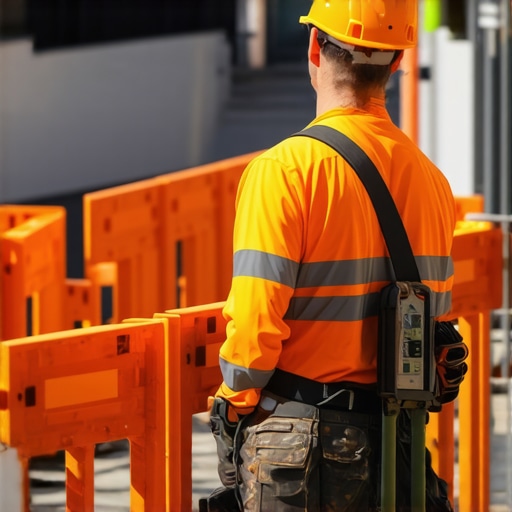
It was a chilling moment I won’t forget. I was deeply engaged in digging a borehole, confident I had checked every utility map, when suddenly, a violent blow reverberated through the site. Pipes burst, workflows halted, and the financial hit was staggering. That day, I realized that even with all our precautions, utility strikes could still happen. Over the years, I’ve learned that many of these incidents are preventable if we follow specific safety protocols. Today, I want to share with you the four daylighting safety rules for 2026 that can help you avoid these costly mistakes and protect your team.
The Hidden Cost of Utility Strikes and Why It Matters Now
Utility strikes are more than just nuisances; they cost companies millions each year. According to industry reports, utility damage accounts for over $1 billion in damages annually in the U.S. alone, leading to project delays, safety hazards, and increased costs. As urban construction intensifies, the risk of accidentally hitting underground services grows exponentially. These failures not only threaten safety but also tarnish reputations and inflate budgets beyond initial estimates.
Understanding the importance of meticulous daylighting and site service strategies is crucial. Proper daylighting isn’t just about visibility—it’s about proactive planning, precision, and safeguarding everyone’s well-being. If you think a simple map check will do the trick, think again. Many early mistakes stem from over-reliance on outdated data or assumptions, leading to costly utility strikes that could have been prevented with better practices.
Early in my career, I made the mistake of neglecting comprehensive subsurface assessments, relying solely on surface markings. That oversight nearly caused a disaster. The key takeaway? Protective measures and advanced site services are essential. For more insights on how site services drive efficiency and safety, check out this comprehensive guide.
Is Daylighting Still Effective Against Increasing Urban Risks?
I know many skeptics question whether these rules are worth the effort, especially with complex urban environments. After all, isn’t technology enough? But experience shows that combining innovation with proven safety rules—like those we’ll discuss—offers the best protection. When I first started, I believed that better equipment alone would prevent utility hits. Turns out, human diligence and strict adherence to daylighting principles are just as vital. Implementing the right safety protocols greatly reduces the chances of damaging vital services, and it’s worth every effort. For a deeper dive into advanced site services that enhance safety, explore this resource.
Prioritize Site Surveys with Precision
Start by conducting comprehensive subsurface assessments using vacuum excavation, which allows you to carefully remove soil and reveal underground utilities without damaging them. I remember a project where relying solely on surface maps led to a costly utility hit—using vacuum excavation uncovered hidden pipes efficiently, preventing delays and accidents. Learn more about vacuum excavation’s role in accurate assessments.
Map Utilities Before Any Digting
Utilize detailed utility mapping tools, such as GPR and electromagnetic locators, to create a precise underground utility map. This proactive step prevents surprises during daylighting, especially in dense urban environments. I once saw a crew mark the utilities incorrectly because they skipped this step, leading to a utility strike. Accurate mapping is your first defense against such mistakes.
Implement Effective Borehole Drilling Techniques
Choose the appropriate drilling method—rotary, percussion, or direct push—based on soil conditions. Remember, proper technique reduces vibrations and minimizes surface disruptions. I once opted for a compressed air-driven drill in loose sandy soil, which vastly improved borehole stability and aligned seamlessly with my daylighting plans. For innovative drilling methods, check this resource.
Integrate Borehole and Daylighting Solutions
Design borehole installation with the daylighting process in mind. Drill the borehole slightly larger than the casing to allow for safe insertion and easy inspection. When I drilled my last borehole, incorporating a wider diameter and smooth lining made the subsequent daylighting and utility connection perfectly straightforward. Detailed tips are in this guide.
Use Vacuum Excavation for Final Checks
Before finalizing, conduct a vacuum excavation around the borehole site to verify utility locations. This gentle approach avoids accidental hits during surface backfilling. Once, I performed a vacuum check after installing the casing; it revealed a misaligned utility that was promptly corrected, saving project time and safety risks. Discover more about vacuum excavation’s safety benefits at this link.Many professionals assume that mastering the basics of borehole installation, daylighting, and site services is enough to ensure smooth urban construction projects. However, the reality is far more nuanced. A common myth is that relying solely on traditional mapping and surface utility marks guarantees safety. In my experience, this approach often leads to overlooked underground elements, especially in complex urban environments where infrastructure has evolved dynamically. Accurate subsurface assessment techniques like vacuum excavation are crucial; neglecting them can result in costly utility strikes, project delays, and safety hazards. For example, a study published by the National Utility Damage Prevention Council underscores that 70% of utility hits in urban areas could be avoided with proactive, advanced site services. Another misconception is that daylighting alone provides sufficient confidence in utility locations. But without integrating borehole data, ground-penetrating radar (GPR), and vacuum excavation, you risk missing deeply buried or undocumented services. Advanced methods not only improve accuracy but also align with safety standards for 2026, considering regulations have tightened. One trap to avoid is underestimating the importance of site-specific planning tailored to soil conditions; for instance, sandy soils call for different drilling techniques to prevent collapses and utility damage. When addressing sophisticated questions like, ‘How do I minimize the risk of hitting gas lines in dense urban settings?’ the answer is integrating multiple advanced site services — combining vacuum excavation, precise utility mapping, and real-time monitoring. Experts like those at Deep Drill Pro emphasize that a layered approach significantly reduces risks and maximizes efficiency. So, have you ever fallen into this trap? Let me know in the comments.
Keeping Equipment Reliable Over Time
One of the most critical aspects of successful daylighting and borehole projects is maintaining the tools and machinery involved. Regular maintenance ensures that your vacuum excavation units and drilling rigs operate at peak efficiency, reducing downtime and preventing costly breakdowns. I personally recommend establishing a strict maintenance schedule that includes daily checks of hydraulic systems and visual inspections for wear and tear. Use high-quality lubricants and replace filters routinely to avoid unexpected failures. Additionally, keeping detailed logs of maintenance activities helps identify recurring issues before they escalate.
Invest in advanced diagnostic tools that can monitor equipment performance in real-time. For example, installing vibration sensors on rotating parts allows early detection of imbalance or bearing failure, which can save you from unplanned outages. Over time, these proactive measures significantly extend the lifespan of your equipment, ultimately leading to more predictable project timelines and budget adherence.
How do I maintain site tools over time?
Predictions for the future indicate a shift towards smart maintenance systems, integrating IoT sensors with cloud-based analytics. This technology can automatically alert you when a component nears failure, minimizing downtime. Embracing these innovations now can position your team ahead of industry standards and ensure safety compliance. For detailed insights on effective borehole maintenance strategies, explore this resource.
Tools I Recommend for Durable Daylighting and Site Services
Choosing reliable equipment is essential. I highly endorse the use of the Ditch Witch ZX30 Vacuum Excavator for its impressive suction power and durability in urban environments. It’s a proven tool that I’ve used on multiple projects to safely expose underground utilities without damaging services. For borehole drilling, the Vermeer D32x50 Navigator offers excellent precision and adaptability to different soil conditions, which is vital in complex cityscapes. Both tools, paired with professional-grade accessories such as high-pressure jets and reinforced hoses, have contributed greatly to my project success.
Software tools like GIS-based mapping platforms further enhance efficiency. When integrated with real-time site data, these systems help in updating utility maps dynamically, ensuring everyone on-site has the latest information. This integration correlates with the trend towards smarter site services and safety management. Consider adopting these advanced tools to streamline your workflows and boost safety standards.
Bringing It All Together for Long-Term Results
Maintaining your tools isn’t a one-time effort but a continuous commitment. Establishing a proactive maintenance regime, leveraging diagnostic technology, and investing in proven equipment set the foundation for successful, long-lasting excavation projects. In the future, expect automation and AI-driven maintenance systems to become the norm, further reducing human error and optimizing operational uptime. My advice? Start with a simple preventative maintenance plan today, and incorporate diagnostic tools over time. Your future self will thank you.
,
The Hardest Lesson I Learned About borehole,site services,daylighting,vacuum excavation
One of my most significant realizations was that even meticulous planning can’t replace the value of on-the-ground verification. Early in my career, relying solely on utility maps led to a costly utility strike, teaching me the importance of combining these with vacuum excavation for true accuracy. Additionally, I learned that trusting technology alone isn’t enough; human judgment and local knowledge are irreplaceable components of safe site operations.
3 Myths About borehole,site services,daylighting,vacuum excavation That Held Me Back
- Overconfidence in Surface Marks: Many professionals believe surface utility markings are sufficient, but as I discovered, undocumented services lurk beneath, creating hazards. Relying solely on markings can lead to surprises.
- Belief that Technology Is Enough: Tools like GPR and electromagnetic locators are invaluable, but without proper interpretation and corroboration through vacuum excavation, errors occur.
- Thinking Safety Is a One-Time Checklist: Safety practices must be ongoing; regular training and updates keep teams sharp and prevent complacency from creeping in.
What Experts Won’t Tell You About borehole,site services,daylighting,vacuum excavation
Many industry veterans hesitate to admit that a layered approach, combining traditional methods with cutting-edge safety practices, dramatically reduces risk. For example, integrating real-time data with manual verification and utilizing advanced borehole techniques ensures robust protection of underground utilities. The most valuable lesson is that no single method suffices; combining multiple layers of verification and safety protocols is the key to future-proofing your projects.
Curated Resources to Elevate Your Borehole Game
- Maximizing Safety with Advanced Site Services: This guide offers insights into incorporating technology with traditional practices for safer urban excavation.
- Innovative Borehole Techniques: Discover the latest drilling methods that improve efficiency and safety, tailored for complex city environments.
- Vacuum Excavation Best Practices: Essential knowledge to verify utility locations without risking damage or delays.
Your Next Step Toward Smarter, Safer Site Work
As we approach 2026, embracing a mindset of continuous learning and adapting safety strategies is crucial. Combining technological advances with time-tested safety protocols will not only protect your team but also ensure the longevity of your projects. The future of borehole and daylighting work is all about layered safety—are you ready to take yours to the next level?
Your post resonated with me, especially the emphasis on combining multiple safety protocols over reliance on traditional mapping. I recall a project where we depended solely on surface utility marks, which appeared accurate at first glance. However, subsequent vacuum excavation revealed several undocumented underground services, preventing what could have been a costly and dangerous mistake. It highlights how critical it is to integrate advanced assessment methods like GPR and vacuum excavation into the standard workflow.
I’ve found that real-time data integration with site maps and proper borehole planning significantly reduces the risk of utility strikes, especially in dense urban environments. Has anyone faced challenges with implementing these layered safety measures in heavily developed areas? I’d be interested to hear about innovative solutions or technologies that others have adopted to improve accuracy and safety without slowing down project timelines.