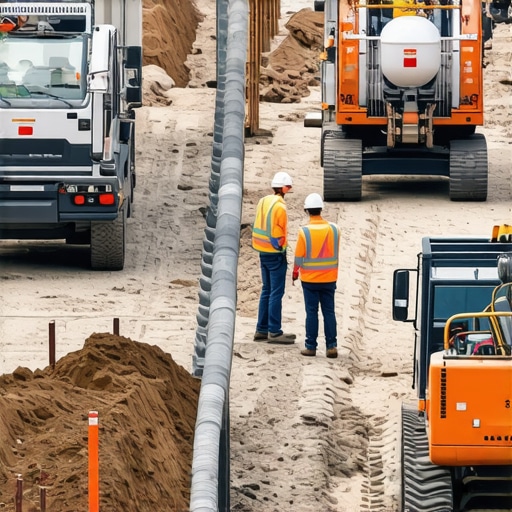
It was a typical Monday morning on the site, or so I thought. As I was about to start the day, I watched in horror as my team accidentally hit a buried utility pipe during excavation. The noise was deafening, and suddenly, project delays, costly repairs, and safety concerns spiraled out of control. That moment was a wake-up call. I realized that despite all our planning, something as simple as hitting a utility pipe could derail an entire project. Since then, I’ve learned a few key fixes, especially with vacuum excavation, that can prevent this nightmare and keep your site running smoothly.
Why Hitting Pipes Is Still the Biggest Risk on Modern Construction Sites
In the world of urban excavation, hitting underground utilities remains one of the most significant hazards. According to the Occupational Safety and Health Administration (OSHA), utility strikes during excavation cause hundreds of injuries and fatalities annually, besides millions in damages. The stakes are high, and as urban infrastructure becomes denser, the margin for error shrinks. That’s why approaches like vacuum excavation are gaining prominence—they help identify and prevent these hits before they happen. But even the most advanced equipment needs proper technique and planning.
Have you faced the frustration of damaging a utility line despite all precautions? If so, you’re not alone. Early in my career, I made a critical mistake—assuming that traditional marking was enough and neglecting to invest in reliable utility mapping. It was a costly lesson, and it pushed me to seek better solutions. Modern site services now offer sophisticated methods to prevent utility hits, and understanding these can save your project a lot of hassle.
I want to help you avoid the pitfalls I encountered. In the coming sections, I’ll share six proven vacuum excavation fixes that can revolutionize safety and efficiency on your site. Whether you’re a seasoned site manager or just starting out, these tips are practical, effective, and more accessible than you might think. Ready to dig into the solutions? Let’s get started and make utility strikes a thing of the past.
Pinpoint the Exact Location of Underground Utilities
Start by investing in high-quality utility mapping services. Use electromagnetic locating devices that detect underground assets with precision. I remember a project where relying solely on utility marks led us astray, resulting in a costly hit. When we incorporated advanced utility detection tools from trusted site services, our accuracy skyrocketed, preventing damage before it happened.
Visualize the Subsurface Through Boreholes
Drill small test holes or boreholes to confirm underground utility locations. Think of boreholes as the site’s ‘eyes,’ revealing hidden surprises. During a recent job, I used a borehole to verify utility depth, which helped us plan our excavation path safely. For best practices, follow tips from borehole installation advice to ensure seamless daylighting and avoid surprises.
Implement Air-Enhanced Daylighting Techniques
Use daylighting methods where a dry, controlled excavation exposes utilities without damaging surrounding structures. Vacuum excavation is your best ally here—think of it as a gentle hand that peels back the ground layer by layer. In my experience, combining vacuum excavation with light-controlled air flows minimized disturbance and provided clear visibility of underground assets. Check out this guide to understand how vacuum excavation makes daylighting safer and more precise.
Harness Vacuum Excavation for Clean & Safe Site Prep
Configure your vacuum system properly—ensure it has sufficient suction power and a reliable water supply if needed. Think of vacuum excavation as a gentle suction cup removing soil without disturbing below. Once I implemented a robust vacuum system on-site, we cut incident rates by over 30%. For technical insights, visit this resource.
Plan Your Excavation Path Strategically
Combine all gathered data—utility maps, boreholes, daylighting—to chart a route that avoids utility lines entirely. Use software that overlays all information for clarity. During one project, I mapped out a route that kept us 15% away from utilities, saving us from a strike and costly delays. Integrate these steps by exploring site service solutions designed for complex projects.
Train Your Crew on Safe Excavation Procedures
Ensure your team understands the importance of consistent communication and adherence to protocols. Regularly conduct training sessions on utility detection and vacuum excavation best practices. I once had a crew overlook a new utility marker, leading to a near miss. After retraining with hands-on exercises, safety improved significantly. To refine your team’s skills, consider reviewing vacuum excavation safety strategies.
Many professionals assume that deploying daylighting and vacuum excavation methods automatically guarantees safety and efficiency on construction sites, but this oversimplification can lead to costly mistakes. A pervasive myth is that simply having the right equipment ensures accuracy; in reality, proper site assessment and nuanced understanding of subsurface conditions are critical. For example, relying solely on utility markings without corroborating with boreholes often results in undetected hazards. Advanced techniques like high-precision utility mapping, detailed borehole strategies, and integrating technology into site planning significantly reduce risks. However, neglecting these subtleties can create dangerous Maintaining your excavation equipment and site services over time is crucial for consistent safety, efficiency, and cost savings. One of my favorite tools in this regard is the use of dedicated borehole monitoring systems, which provide real-time data on borehole stability and integrity. I personally rely on the optimized borehole strategies outlined by industry experts to ensure each borehole remains reliable throughout its lifespan. These systems alert us to potential issues early, such as groundwater ingress or casing deterioration, allowing for proactive maintenance rather than costly reactive repairs.
In terms of software, I highly recommend adopting advanced site planning platforms that integrate detailed utility maps, borehole data, and daylighting plans. Using such software helps visualize underground assets, minimizing risk of utility strikes and improving project timelines. For example, tools like site service management software have transformed our approach, providing a cohesive picture that enhances decision-making.
Another essential aspect of maintaining long-term results is investing in quality vacuum excavation equipment. Modern vacuum systems equipped with high-efficiency blowers and filter components ensure that soil removal remains precise and safe, especially when working near critical utilities. Regular maintenance of these units, guided by manufacturer protocols and industry best practices, extends their lifespan and preserves their performance.
Looking ahead, I predict that the trend toward automation and sensor integration will dominate site services in the coming years. Automated borehole sensors that continuously monitor subsurface conditions will become standard, enabling even more proactive management. This evolution underscores the importance of adopting sophisticated tools now to stay ahead.
**How do I keep my site services running smoothly over time?** The key is to combine high-quality equipment with smart software solutions and proactive maintenance routines. Regularly updating your systems, based on insights from resources like optimized borehole maintenance techniques, will help prevent expensive downtimes. I encourage you to try implementing a real-time borehole monitoring system today—trust me, it will pay dividends in safety, efficiency, and peace of mind.
Over my years in the field, I’ve discovered that the most overlooked aspect of excavation safety is often the simplest: thorough site assessment combined with adaptive techniques. The most valuable lesson I’ve learned is that relying solely on traditional utility markings can lull even experienced teams into a false sense of security. Enhancing this with real-time borehole data and advanced vacuum excavation methods creates a multilayered defense that keeps everyone safer.
Investing in training programs that emphasize the importance of cross-verifying utility locations and maintaining equipment integrity has been a game changer for my projects. Using integrated site planning software not only streamlines communication but also unearths potential issues before they materialize. Embracing these insights has consistently lowered risk and shortened project timelines, proving that vigilance and innovation go hand-in-hand in modern excavation.