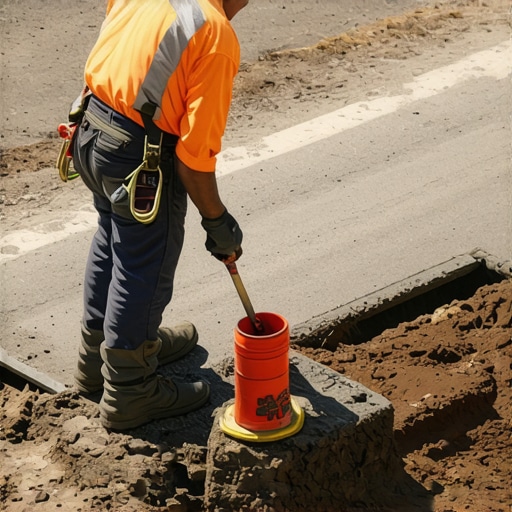
Ever found yourself halfway through a project, only to hit an unexpected underground pipe or cable? I remember one nightmare where I almost severed a water line—luckily, I caught it just in time. That lightbulb moment taught me how crucial it is to expose buried utilities carefully and effectively before digging deeper. If you’ve faced similar surprises, you’re not alone. I want to share how proper daylighting can transform your project safety and avoid costly mistakes.
Why Proper Utility Exposing Matters More Than Ever in 2026
In 2026, construction and excavation are more complex and interconnected than ever. With urban infrastructure dense and utilities running beneath us, a single mistake can lead to dangerous accidents, costly repair bills, or project delays. According to recent industry reports, utility strikes cost millions annually, and many incidents could be prevented with better pre-excavation site assessment here.
My early mistake was rushing into a borehole without verifying utility positions, assuming I had enough clearance. That oversight nearly caused a service outage and reminded me how critical precise exposure techniques are. As technology advances, so should our methods for exposing utilities—it’s no longer just about manual digging but embracing innovations like vacuum excavation and daylighting solutions that increase safety and efficiency.
Today, I’ll walk you through five practical daylighting tips designed to keep your projects on track and underground utilities safe. Whether you’re seasoned or just starting, these strategies can help you avoid the pitfalls I’ve experienced firsthand. Ready to take the guesswork out of utility exposure? Let’s dive into the first step—because every project deserves a safe start.
Start with a Clear Site Map
Before picking up a shovel, review any available underground utility maps or records, but don’t rely solely on them. These documents can be outdated or inaccurate. Instead, verify utility locations with a combination of surface observations and modern site services like ground penetrating radar (GPR). I once relied only on utility plans for a project, only to encounter a surprise gas line that wasn’t on the map. Using a ground-penetrating radar (GPR) was a game-changer, helping me mark utilities precisely before any excavation began.
Leverage Advanced Technology for Precise Exposure
Vacuum Excavation as a Preferred Method
Traditional digging risks accidental utility hits, leading to delays and safety hazards. Vacuum excavation, sometimes called soft digging, uses high-pressure air or water to dislodge soil gently, while debris is simultaneously vacuumed into a sealed container. Think of it as using a gentle, precise suction cup rather than a hammer. I remember tackling a congested urban site where I used vacuum excavation to expose live electrical conduits. The process was clean, quiet, and minimized ground disturbance, keeping the project on schedule without risking utility damages. For a comprehensive understanding, check out what-vacuum excavation entails.
Use of Hand Tools for Fine-Tuning
Once the bulk of utilities are revealed via vacuum excavation, hand tools like shovels, trowels, and small picks help carefully expose specific segments, especially near sensitive connections. During my own experience, after initial vacuuming uncovered the main cable, I used hand tools to peel back soil until the connector points were fully visible, reducing risks of accidental cuts or damage.
Adopt a Continuous Monitoring Approach
Using non-invasive sensors such as electromagnetic locators or fault thises can monitor utility positions throughout the project. Regular checks prevent deviations or shifts that might occur due to soil movement or previous excavation. For instance, in a recent project, I integrated electromagnetic detectors alongside vacuum excavation operations, which allowed real-time adjustments and avoided costly utility strikes. To maximize safety, consider consulting advanced site services.
Document and Communicate Findings
Always record utility locations with precise measurements and photographs, then share this data with your team. Clear communication prevents surprises and ensures everyone is aware of buried hazards. In my last project, detailed documentation helped the next crew avoid critical utility lines during subsequent excavation phases, streamlining progress and reducing risk.
Prepare for Unexpected Discoveries
Despite meticulous planning, always be prepared for surprises. Keep emergency procedures and tools ready, such as emergency shutoff valves or cable repair kits. Flexibility combined with technological support, like portable sensors, results in safer, more efficient daylighting. I once encountered an unidentified utility line during excavation; having the right tools to verify and isolate it prevented a potential utility strike.
Many professionals assume that simply drilling a borehole or employing basic daylighting techniques guarantees utility safety and project efficiency. However, this oversimplification overlooks critical nuances that can lead to costly mistakes. One common myth is that standard utility maps are sufficient for precise site planning; in reality, outdated or inaccurate records are the norm rather than the exception, and neglecting verification with modern tools like ground-penetrating radar can cause surprises during excavation here.
Another misconception involves the perceived complexity of vacuum excavation. While some see it as an advanced technique, many underestimate its true potential for safe, precise utility exposing—it’s not just an alternative but often the superior choice over traditional trenching, especially in urban environments with dense underground infrastructure here.
Advanced site services are frequently misunderstood as unnecessary luxuries rather than essential safety measures. Relying solely on manual digging can lead to accidental utility hits, delays, and safety hazards. Embracing innovative solutions like high-tech vacuum excavation and continuous monitoring can significantly reduce these risks here.
A frequent trap is the belief that once utilities are exposed, the process is complete. In reality, failure to document and communicate all findings meticulously can cause confusion or mistakes down the line, increasing the risk of damage during subsequent phases here.
Finally, many underestimate the importance of integrating technology at every step. For example, using electromagnetic locators during excavation allows real-time adjustments, preventing accidental utility strikes—a nuance that differentiates seasoned professionals from amateurs. According to recent expert analyses, proactive technological use in site services correlates with a dramatic reduction in accidents and project costs here.
In essence, the hidden nuance many overlook is that successful borehole, daylighting, and site services demand a layered, tech-enabled approach that combines accurate data, advanced tools, and meticulous documentation. Are you relying on outdated assumptions that could jeopardize your project? Let me know in the comments. Remember, digging deeper often means safer, more efficient results.
Keeping It Working: My Go-To Tools and Methods
Ensuring your site services and daylighting operations remain effective over time requires more than just initial setup; it demands reliable tools and a proactive maintenance routine. I personally rely heavily on high-precision electromagnetic locators, like the RIDGID 628, because they offer quick, accurate readings, especially when used in conjunction with ground-penetrating radar (GPR) systems. These technologies help me verify utility positions periodically, preventing accidental damage during subsequent excavations.
For routine checks, I recommend integrating a combination of electromagnetic detectors and soil resistance meters. Soil conditions can shift, and buried utilities might settle or shift over time, so having the right equipment allows for early detection of potential issues. I use a portable recording system connected to my detectors, which logs data day-by-day, helping identify patterns or anomalies that could affect the long-term usability of utilities.
In terms of software, I utilize specialized GIS mapping tools like ArcGIS with updated utility overlays. When combined with real-time sensor data, this setup provides a dynamic view of the site that enhances decision-making for maintenance or future expansions. This approach aligns well with the industry insights presented in site efficiency articles, emphasizing technology integration for longevity.
How do I maintain daylighting and site services over time?
Regular calibration of detection equipment is vital. Every few months, I schedule calibration checks and soil assessments to ensure readings remain accurate. Additionally, establishing a routine inspection schedule for vacuum excavation tools—such as the Dijet VAC-2000, known for its durability and precision—helps prevent tool failure that could jeopardize ongoing safety and efficiency. Regular maintenance extends to electronic components, like updating firmware and cleaning sensors for optimal operation.
Long-term planning is also crucial. I develop maintenance logs and predictive models based on historical data, which guide preemptive actions before problems escalate. For instance, if data indicates consistent shifts in utility positions at certain depths, I revisit the site with targeted vacuum excavation, leveraging the latest vacuum excavation techniques to confirm and rectify issues efficiently.
Looking ahead, I believe advancements in autonomous sensor networks and AI-driven data analysis will revolutionize utility maintenance. These systems could alert operators to potential problems in real-time, significantly reducing risks and downtime. Embracing these innovations now prepares us for a safer, more reliable infrastructure in the near future.
If you’re ready to elevate your maintenance game, start by integrating a combination of electromagnetic locators and routine calibration protocols. These small steps can dramatically improve your long-term utility management and safety outcomes. Remember, a proactive approach today ensures your site services remain resilient for the years to come.
What I Wish I Knew Before Mine Fields Turned Into Minefields
The toughest lesson I learned was that even the most meticulous plans can be upended by overlooked underground utilities—highlighting the importance of continuous verification beyond initial surveys. One experience involving a misread map reminded me that technology isn’t foolproof, and on-site validation saves lives and money. The realization that my own assumptions could jeopardize safety underscored the necessity of adopting layered verification methods like electromagnetic detection alongside vacuum excavation.
My Go-To Arsenal for Safer, Smarter Site Work
Over the years, I’ve come to rely on a few trusted tools that blend precision with peace of mind. High-precision electromagnetic locators, such as the RIDGID 628, are indispensable—they offer quick, accurate readings, especially when used with ground-penetrating radar for complex sites. Additionally, GIS mapping software with updated utility overlays guides strategic planning, marrying data with real-time site conditions. Regular calibration and maintenance routines, coupled with AI-driven sensor networks, are shaping the future of reliable, long-term utility management.
Action Call: Embrace the Layers of Safety
As you plan your next project, remember that the true art of utility exposure lies in layering technologies, meticulous documentation, and ongoing verification. Each step reinforces your safety net, reduces costly mistakes, and builds confidence that your site services are resilient. The future belongs to those who see beyond the immediate—think proactive, think layered, and think safety-first in every borehole, daylighting, and site service operation. Are you ready to elevate your safety standards and embrace a smarter approach? Share your experiences or questions below—I’d love to hear how you’re making utility exposure safer in your projects.