The Gurgle of Failure Beneath the Asphalt
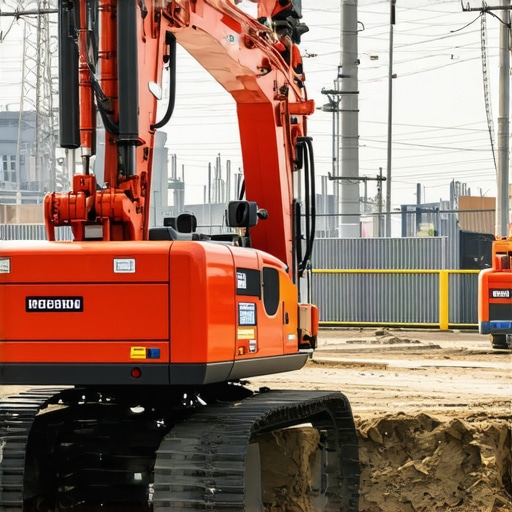
Imagine the sound of a pressurized water main giving way—not a clean snap, but a violent, wet rupture that sends a slurry of silt and gravel upward through the sub-base of a city street. It is the sound of a six-figure repair bill growing by the second. As we look toward the 2026 rollout of advanced smart grid infrastructure, the stakes for subsurface accuracy have never been higher. My old journeyman used to say, ‘Water is lazy, but it’s patient.’ It will find the tiniest pinhole, the smallest hairline fracture in a conduit, and turn it into a geyser given enough time. In the world of high-voltage transmission and fiber-optic intelligence, that patience results in catastrophic dielectric failure. But the real enemy isn’t just the water; it is the blunt-force trauma of traditional excavation. When a backhoe bucket teeth strike a buried utility, you don’t just break a pipe—you shatter the fiscal timeline of an entire project.
The Anatomy of a Subsurface Strike
In the trade, we call it a ‘blind dig.’ You’ve got your blue, yellow, and red paint marks on the ground, but those lines are just suggestions. I’ve seen rough-in blueprints from 1950 that claimed a gas line was six feet deep, only to find it six inches below the frost line because of decades of soil erosion and regrading. In northern climates like Chicago or Toronto, the frost depth is a moving target. Ice expands by 9%, and that expansion creates a hydraulic hammer effect that can shear a cast-iron stack or a PVC conduit like it was dry pasta. When you bring in a heavy excavator to find these lines, you are essentially performing surgery with a chainsaw. This is where daylighting through vacuum excavation changes the math of the job site. By using high-pressure air or water to liquefy the soil and a high-volume vacuum to suck it away, we reveal the ‘veins’ of the city without the risk of a spark or a flood.
“All piping and fixtures shall be installed so as to prevent stresses and strains that would cause damage to the piping.” – IPC Section 308.1
The 20% cost savings predicted for 2026 smart grid repairs aren’t just a marketing figure; they are a direct result of avoiding ‘utility displacement syndrome.’ When you use a mechanical shovel, you vibrate the earth. That vibration causes calcification in old lead joints to crack and forces Fernco couplings to slip. Vacuum excavation, or what is vacuum excavation in its most surgical form, eliminates this vibration entirely. We are talking about site services that treat the earth as a delicate forensic site rather than a dirt pile.
The Physics of the 2026 Smart Grid
The 2026 grid isn’t just copper wire; it’s a nervous system of sensors and borehole-integrated monitoring stations. These systems are sensitive to the micro-shifts in the soil. In the North, the freeze-thaw cycle is the primary antagonist. Hydraulic shock doesn’t just break a pipe at the freeze point; it sends a pressure wave back through the line that can blow a cleanout or a stub-out fifty feet away. When we install these smart sensors, the rough-in must be perfect. If you disturb the compaction of the soil with a backhoe, you create a ‘soft spot’ that attracts water. That water freezes, the soil heaves, and your expensive smart sensor is crushed. By using borehole drilling techniques paired with vacuum extraction, we maintain the structural integrity of the surrounding earth. We don’t ‘dig’ a hole; we surgically extract the medium.
Why the ‘Rough-In’ Phase is Where Money is Lost
Every plumber knows that a job is won or lost during the top-out and the initial rough-in. If the stack isn’t plumb or the pitch is off by a quarter-inch, the system will eventually fail. The same applies to smart grid infrastructure. When contractors use traditional digging, they often have to over-excavate to ensure safety for the guys in the trench. This leads to massive backfilling costs and the inevitable ‘settling’ of the pavement above. Utilizing the role of vacuum excavation in reducing site disruption means we can keep the hole small—exactly the size needed for the repair. No extra backfill, no massive asphalt patches, and no 3:00 AM phone calls about a sinkhole forming in the middle of Main Street.
“Backfill shall be free from discarded construction material and debris.” – ASTM D2321
I have spent years sweating joints and applying dope to high-pressure gas lines, and I can tell you that the most dangerous part of the job is the unknown. You never know when a previous ‘handyman’ contractor buried a wax ring or a makeshift repair behind a wall or under the slab. Vacuum excavation provides accurate subsurface assessments that act like an X-ray for the ground. We see the ‘hack jobs’ of the past before we hit them. This foresight is where that 20% savings lives. It lives in the ‘zero’ utility strikes, the ‘zero’ insurance claims, and the ‘zero’ hours wasted waiting for the gas company to shut off a line we didn’t mean to hit.
The Hydro-Geographic Reality of 2026
In our field, we have to respect the chemistry of the soil. In areas with high acidity, we see dezincification of brass fittings and the pitting of copper pipes until they look like Swiss cheese. When we are prepping for smart grid upgrades, we have to identify these compromised lines early. If you use a mechanical excavator, you might just crush a pipe that was already hanging on by a thread due to corrosion. Vacuum excavation allows for exploring daylighting benefits where we can visually inspect the condition of existing pipes without touching them. We can see the black sludge of a grease clog or the tell-tale green oxidation of a slow leak before we even begin the site services. This allows for a proactive ‘repair vs. replace’ decision rather than an emergency ‘react to the flood’ scenario. For anyone managing these complex projects, choosing the right site services is the difference between a project that comes in under budget and one that ends in a lawsuit. Water is patient, yes—but with vacuum excavation, we finally have a way to outpace its destructive potential. If you’re ready to secure your infrastructure without the ‘hack job’ risks, it’s time to look at the forensic reality of your job site. For more information on surgical excavation, you can contact us to discuss your specific grid requirements.