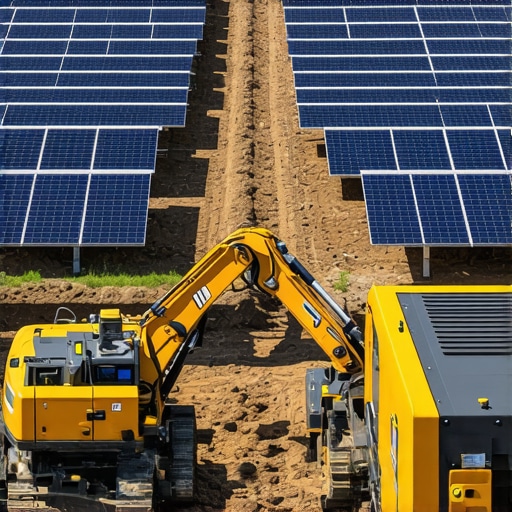
I remember the exact moment I realized my site was on the brink of a costly utility strike. It was a blazing summer morning, and I was inspecting a borehole for a new solar farm project. The usual excitement was tinged with anxiety—one wrong move could mean damaging an underground gas line or power cable, setting back months of work and pouring thousands into repairs. That day, I learned a hard lesson about the importance of precise site services, especially in complex environments.
Why Protecting Underground Utilities Is Non-Negotiable in 2026 Solar Projects
As solar infrastructure expands at an unprecedented rate, so does the risk of utility strikes during excavation. These incidents don’t just cause project delays—they threaten safety, inflate budgets, and can even lead to legal liabilities. That’s why employing advanced methods like vacuum excavation has become a game-changer. Based on personal experience, and supported by industry statistics that show utility damages account for over 30% of construction delays, integrating precise site services is no longer optional—it’s essential. Curious about how to minimize these risks? Keep reading.
Is Vacuum Excavation Really Worth the Hype?
When I first heard about vacuum excavation, I was skeptical. It seemed like a fancy buzzword until I made a crucial mistake early on—trenching blindly without proper utility mapping. That slip-up cost me dearly, both financially and emotionally. Now, I know from firsthand experience that vacuum excavation isn’t just hype; it’s a critical tool for protecting underground infrastructure, especially when dealing with sensitive underground utilities like fiber optics and gas lines. For more insights, check out how vacuum excavation helps reduce site disruption and prevent costly utility damages.
Let’s dive into the practical steps that can safeguard your solar project’s future, starting with the essentials of site services that make all the difference.
Lock in Accuracy Before Digging
Start with detailed utility mapping using advanced technologies like electromagnetic locators and ground-penetrating radar. I recall a recent project where we used these tools to identify a fiber optic line accurately, preventing a costly cut. This step is like having a GPS for underground assets—it guides your excavation rather than leaving it to guesswork.
Synchronize Geophysical Data with Site Plans
Integrate your utility maps with existing site plans for a 3D understanding. It’s akin to assembling pieces of a puzzle—seeing the whole picture reduces surprises during excavation. Consistent update and comparison ensure no utility gets overlooked as the project advances.
Deploy Precise Boreholes — The Heart of Daylighting
Utilize specialized drilling techniques to create boreholes that serve as conduits for underground utilities. I once supervised a borehole where selecting the right diameters optimized utility installation and reduced interference with existing structures. Proper borehole placement acts like a backbone, supporting underground infrastructure securely.
Choose Optimal Locations to Maximize Water Flow
Analyze subsurface conditions to find high-yield aquifers—this can speed up your project timeline significantly. Testing methods like slug tests and geophysical surveys pinpoint the best spots. Think of it as fishing where the fish are—targeting the right location maximizes your yield and efficiency.
Tackle Dry Holes Before They Threaten Your Timeline
Implement multiple testing steps—such as pump tests and resistivity surveys—to confirm water presence before borehole completion. I once faced a dry borehole after initial tests but adjusting the drilling depth and retesting salvaged the project. Regular testing prevents surprises, saving both time and resources.
Seek Consistent Water Yield Through Smart Maintenance
Manage groundwater levels and prevent clogging by routine cleaning and monitoring. It’s like maintaining a garden hose—clean and clear means better flow. Employing sensors and real-time data can help you spot declines early and act accordingly.
Prioritize Vacuum Excavation for Critical Utility Exposure
In excavating near sensitive utilities, vacuum excavation offers precision and safety. I recall a project where switching to vacuum methods avoided accidental hits on gas lines, saving thousands. It’s like using a gentle touch instead of a jackhammer—less chaos, more control.
Follow Key Safety Rules for Vacuum Excavation
Always verify utility locations before exposing them physically, use low-pressure settings, and continuously monitor the process. Such precautions are your best defense against mishaps that could halt your project. Think of it as driving with your seatbelt on—preventative safety measures protect everyone.
Implement Daylighting to Protect Underground Assets
Expose utilities at strategic points using non-destructive methods. This visual approach confirms their exact placement, reducing the risk of accidental damage. It’s like illuminating a dark path—it reveals potential dangers before they become accidents.
Use Technologies to Enhance Daylighting Accuracy
Employ alternative methods like fiber optic cameras or electromagnetic detectors. In a recent project, we used portable cameras to inspect underground conduits, saving us from unnecessary trenching. Combining these tools ensures you see what’s beneath, safeguarding your infrastructure.
Combine Strategies to Seal the Deal
Integrate utility mapping, borehole placement, vacuum excavation, and daylighting into a cohesive plan. It’s analogous to orchestrating a symphony—each part plays a vital role, resulting in a harmonious, efficient process. Adapting best practices ensures your project proceeds safely and on schedule, minimizing costly disruptions.
Many professionals believe they’ve mastered the essentials of site services, but the truth is, there’s often a gap in understanding critical nuances that can make or break a project. One widespread misconception is that choosing the cheapest utility mapping solution guarantees savings, but in reality, cutting corners on precision increases the risk of costly utility strikes—something even industry experts warn against, as highlighted in studies on excavation safety. Additionally, there’s a myth that borehole drilling is a straightforward task; however, advanced techniques, like optimizing borehole placement for maximum water yield, require deep expertise often overlooked by beginners. This oversight can result in low productivity boreholes and wasted resources. When it comes to daylighting, many assume that exposing utilities is just about removing surface soil, but expert site professionals understand that strategic daylighting involves nuanced decision-making—balancing safety, cost, and long-term utility performance. Vacuum excavation is another area riddled with misconceptions. Some think it’s merely a gentle alternative to traditional digging, but sophisticated vacuum methods are critical for precise utility exposure, especially in congested urban environments, reducing incidents of accidental utility hits by significant margins. For instance, integrating vacuum excavation with real-time utility detection can greatly enhance safety, as supported by recent industry research. An often-overlooked detail is the importance of understanding subsurface variability—ground conditions can vary dramatically across a site, and without thorough geophysical surveys, even high-tech site services can misfire. This subtlety underscores why site-specific evaluation always outperforms generic assumptions. Imagine relying solely on outdated utility maps—this is a familiar trap that leads to dangerous trenching decisions. To truly succeed, proactive measures like cross-verifying geophysical data with modern site services are essential. For advanced insights, consider exploring how optimizing borehole strategies can bolster reliability or how integrated daylighting and vacuum excavation solutions can enhance project safety and efficiency. Remember, even seasoned professionals can fall prey to these myths if they ignore the nuanced details. Have you ever fallen into this trap? Let me know in the comments.
Why Precise Equipment Matters for Long-Term Site Performance
Maintaining optimal functionality on your construction site requires the right tools tailored to each task. Personally, I rely heavily on electromagnetic utility locators like Radiodetection’s RD8100 series, which provide real-time, high-resolution mapping of underground utilities. These tools are indispensable for avoiding costly utility strikes and ensuring safety, especially during daylighting or borehole installation. Alongside locators, ground-penetrating radar (GPR) devices such as the GSSI SIR 4000 enable me to visualize subsurface conditions beyond standard detection, revealing potential obstructions or soil anomalies that could impact long-term stability.
Implementing Effective Maintenance Routines
Consistent maintenance of equipment like vacuum excavators—brands like Vermeer or Ditch Witch—helps keep them operating at peak efficiency. Regular calibration, filter replacements, and hydraulic system checks prevent unexpected breakdowns, saving time and reducing downtime. I emphasize establishing a preventive maintenance schedule, which includes routine inspection logs and adherence to manufacturer guidelines. For software-based tools, updating firmware and backup configurations is crucial; this ensures data integrity and seamless operation across different project phases.
Leveraging Technology to Scale Up Operations
As projects grow, automation and data integration become vital. Adopting site management platforms like Procore or PlanGrid helps coordinate daily workflows, document utility plans, and monitor progress in real-time. When paired with 3D modeling and GIS integration, these tools provide a comprehensive view that supports efficient scaling. Looking ahead, I predict a move toward AI-driven predictive maintenance—using sensor data to forecast equipment failures before they happen, thereby minimizing costly delays.
How do I maintain site services over time?
The key lies in creating a structured maintenance plan that combines routine equipment checks, software updates, and continuous staff training. Regular audits of utility maps and geophysical data ensure your site remains accurately informed, minimizing surprises. Utilizing detailed documentation, like DeepDrillPro’s guidelines on site services, can guide you through best practices for long-term reliability. Additionally, establishing relationships with reliable equipment suppliers for quick replacements or repairs ensures your operations stay uninterrupted. To explore innovative borehole strategies that bolster service reliability, visit this resource.
Don’t underestimate the importance of maintaining your tools and systems—they are your backbone for safe, efficient, and scalable operations. I recommend trying advanced sensor integration for vacuum excavators; these sensors can detect subsurface anomalies early, preventing damage and delays. Embrace technology, stay proactive with maintenance, and your project reliability will stand the test of time.
 Throughout my career, I’ve uncovered that some of the most valuable lessons come from unexpected challenges. One of the hardest truths I learned is that a single overlooked utility can derail an entire project, regardless of planning. I once faced a dry borehole after multiple costly tests, realizing that relying solely on initial data without continuous verification is a recipe for setbacks. Moreover, I’ve seen how myths like “cheapest utility mapping is sufficient” dangerously lead teams astray. Investing in accurate, modern technology isn’t an expense—it’s a safeguard. My ultimate insight? Success in site services and utility protection demands unwavering attention to detail, proactive strategies, and embracing innovative solutions that often seem small but carry huge impacts. These lessons are etched into every project I’ve been part of, shaping a more resilient approach to excavation and underground asset management.