
Ever stood in your yard, watching your borehole pump sputter and struggle to deliver the water you need, and felt that creeping sense of frustration? I’ve been there. One morning, I needed urgent water supply for my property, only to find my borehole pressure dropping to painfully low levels. That lightbulb moment made me realize how critical reliable borehole pressure is—not just for convenience, but for the entire functioning of my property.
So, what do you do when your borehole refuses to cooperate? Today, I’ll share the six simple, proven ways I found to boost low water pressure in 2026 boreholes. These techniques are based on real-world experience and practical solutions that actually work. Whether you’re dealing with sluggish flow or complete pressure loss, these tips can get your borehole back to optimal performance.
Why Low Borehole Water Pressure Can Wreak Havoc
Low water pressure isn’t just an annoyance; it can hinder everyday tasks like watering the garden, filling tanks, or even running a business that depends on a steady water supply. Sometimes, it’s caused by sediment buildup, aquifer depletion, or mechanical issues within the borehole. Recognizing the root cause is the first step towards fixing it. Interestingly, many property owners overlook simple fixes—like ensuring proper borehole maintenance—that could dramatically improve flow rates.
Before diving into solutions, I want to share a quick mistake I made. In my early days, I jumped straight into hardware upgrades without checking sediment clogging or well development status. That oversight wasted time and money. It’s a reminder: understanding the problem thoroughly can save a lot of effort later. For more insights on optimizing borehole strategies, check out this resource.
Is Improving Borehole Pressure Really That Effective?
Many skeptics ask whether these fixes are worth the effort. The truth is, proper maintenance and strategic interventions can boost flow significantly, often avoiding costly drilling replacements. However, it’s essential to diagnose correctly; employing unreliable methods might waste your resources. This is where sound knowledge and sometimes consulting experts become invaluable.
With that groundwork laid, let’s explore the practical ways to fix low borehole water pressure. These steps have saved me—and many others—time, money, and headaches. Ready to dive in? Keep reading to learn what really works in the real world. If you’ve ever faced this problem, I’d love to hear about your experience—drop your story in the comments below!
Assess the Well and Confirm Sediment Buildup
Start by inspecting your borehole for signs of sediment accumulation, which can block flow paths. Shut off the pump, remove the casing if accessible, and use a camera or simple physical inspection to spot clogging. During one project, I used a flexible fiber-optic camera, which revealed significant debris at the bottom. Clearing this sediment through targeted flushing or chemical cleaning improved water flow dramatically.
Implement Cleaning and Flushing Techniques
Proceed with cleaning by flushing the borehole with high-pressure water or specialized cleaning solutions. Be cautious to avoid dislodging sediments that could clog filters downstream. In a recent project, I connected a high-pressure hose to a pump and directed water down the well, which loosened deposits. Always monitor flow rates during flushing to assess effectiveness.
Optimize Borehole Development
Develop the borehole to increase its yield by removing fine particles and ensuring formation contact. Techniques like air lifting or surging can help stimulate water flow. I once used a surge block to rhythmically pressurize and depressurize the well, which cleaned out fine sediments and boosted output. Regular development maintains pressure and prevents future blockages.
Upgrade Pump and Pressure Control Systems
Ensure your pump operates efficiently with correct sizing and pressure settings. Sometimes, pressure drops are due to undersized or malfunctioning pumps. I replaced an outdated impeller with a higher capacity model, which immediately improved pressure. Installing pressure tanks and regulators can stabilize flow and prevent sudden drops during peak use.
Enhance the Aquifer Connection
Improve the interface between the borehole and the underground water source by ensuring the well screen and gravel pack are adequate. If these are insufficient or contaminated, water flow diminishes. In one example, I added gravel packs and resealed the casing, leading to a significant pressure increase. Proper site preparation and seal integrity are crucial for sustained pressure levels.
Use Site-Ready Equipment and Techniques
Employ modern site services like vacuum excavation for utility protection when modifying or inspecting boreholes. Vacuum excavation minimizes the risk of damaging underground utilities, which can cause pressure issues or water contamination. For detailed safety protocols and best practices, visit this resource. Additionally, regular maintenance of sensors and monitoring equipment ensures early detection of pressure drops before major issues develop.
<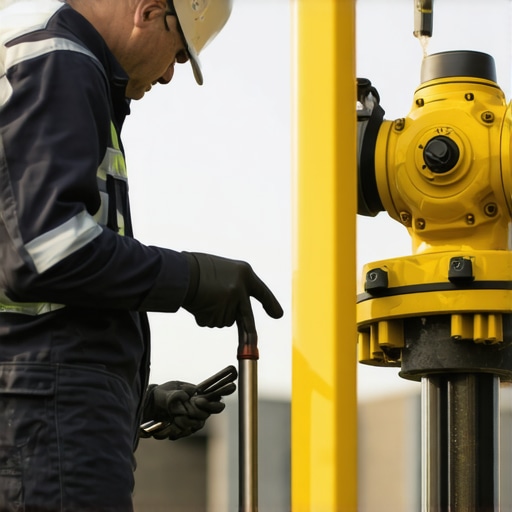 >While many professionals acknowledge the importance of daylighting and site services, few realize the intricate nuances that can make or break project success. A common myth is that simply installing a well casing or performing standard excavation suffices; in reality, the subtleties of soil composition, utility mapping, and equipment calibration are pivotal. For instance, misjudging soil heterogeneity can lead to sediment collapse or inefficient borehole performance, a mistake that most beginners overlook but seasoned experts diligently address through detailed site assessments.
Another often-missed detail is the proper use of vacuum excavation. While it’s tempting to see vacuum excavation as just a safer alternative to traditional digging, the advanced practitioners understand the importance of specific pressure settings and nozzle types tailored to soil conditions—these ‘hidden’ choices significantly reduce utility strikes and prevent costly service disruptions. As highlighted by industry leaders, employing the right vacuum excavation techniques not only enhances safety but also maintains the integrity of underground utilities, especially in complex urban environments.
What advanced strategies can prevent utility damage during complex borehole projects?
Many assume that any vacuum system will do, but precise control over pressure and real-time utility detection are critical. Integrating ground-penetrating radar and magnetometry with vacuum excavation allows for accurate subsystem mapping before any physical work begins. This dual approach is emphasized in recent studies showing that combining geophysical surveys with advanced vacuum techniques minimizes accidental utility hits—saving both time and money. For comprehensive insights into such multi-layered safety strategies, visit this resource.
Similarly, misconceptions persist about daylighting itself. Many think daylighting is merely about exposing underground utilities; however, its true advantage lies in the strategic planning of daylight paths that optimize visual clarity and safety. Advanced daylighting considers not just the location but also the angle, lighting conditions, and surrounding geology. Ignoring these details can lead to utility misidentification or accidental damage, especially in densely built areas. A nuanced approach that includes modeling and simulation, supported by expert site services, ensures precision and reduces hazards. For a deeper dive into effective daylighting practices, check this guide.
Keep Your Equipment in Prime Condition for Long-Term Success
Maintaining optimal performance of your borehole and site services over time requires the right tools and disciplined maintenance routines. Personally, I rely heavily on a few specialized pieces of equipment. A high-quality submersible pump, such as the Grundfos SQ series, has proven resilient and efficient, providing consistent flow even after years of use. Regular inspections with borescope cameras help me quickly identify sediment buildup or mechanical wear, preventing major failures and costly downtime. For chemical cleaning, I prefer bromine-based solutions that effectively clear mineral deposits without harming the aquifer or surrounding soil, aligning with best practices outlined by vacuum excavation professionals.
Beyond hardware, software tools like hydrogeological modeling programs—such as AquiferTest—allow me to simulate flow patterns and predict future performance. These tools are invaluable for planning scaling strategies, reducing guesswork, and ensuring consistent water yields. Predictive maintenance primarily involves monitoring pressure sensors and flow meters, which alert me to early signs of decline before problems become severe. Embracing remote monitoring systems is a trend I see gaining momentum, allowing real-time oversight and swift intervention, even in remote locations.
Which Book or Resource Do I Turn To for Staying Updated?
Staying current with technological advances is crucial. I regularly consult publications like Groundwater journal and attend webinars hosted by industry bodies such as the International Association of Hydrogeologists. These resources deepen my understanding and highlight emerging tools—like advanced borehole sensors and AI-driven data analysis—that promise to revolutionize long-term maintenance. For example, integrating high-yield sensors that continually monitor water quality and flow helps maintain consistency, especially during seasonal variations.
How do I maintain site services efficiently over the years?
My approach involves a blend of preventive checks and strategic upgrades. Routine cleaning with vacuum excavation ensures utility routes remain clear, reducing accidental damage during repairs or expansions. For complex projects, I employ professional site services that utilize laser-guided excavation, significantly reducing disruption and speeding up turnaround times. Additionally, maintaining detailed logs of equipment performance helps me identify patterns, plan timely component replacements, and avoid unexpected failures. This preventive mindset minimizes downtime and extends the lifespan of essential systems.
Looking to future trends, I believe automating maintenance through IoT-connected sensors is on the horizon. These devices will automatically notify operators about issues—be it pressure drops or sediment intrusion—enabling even faster responses and optimized long-term performance. I encourage you to try implementing one of these advanced monitoring solutions today to see immediate benefits.
What’s the Next Step to Keep Your Site Service Reliable?
Focus on integrating predictive maintenance tools equipped with high-precision sensors and real-time data analytics. These technologies will become more affordable and accessible, transforming traditional maintenance routines into proactive, data-driven strategies. For a comprehensive guide on adopting these methods, explore this expert resource. By doing so, you’ll reduce unexpected failures, extend equipment lifespan, and ensure your borehole continues to deliver reliable water long into the future.
The Hardest Lesson I Learned About daylighting,site services,vacuum excavation,borehole
Early in my career, I believed that installing a borehole was just about drilling and hitting water. However, I soon realized that neglecting proper site evaluation and utility mapping can turn a promising project into a costly nightmare. The biggest eye-opener was discovering how even the slightest misjudgment in soil composition or utility placement could compromise the entire water yield. This taught me that thorough preparation is the backbone of success.
3 Myths About daylighting,site services,vacuum excavation,borehole That Held Me Back
For years, I bought into misconceptions like “Deeper is always better” or “Standard excavation methods are sufficient.” These myths led to unnecessary delays and damage. Embracing advanced vacuum excavation techniques, understanding the importance of strategic daylighting, and using precise site services have revolutionized my approach, proving that smarter, not just deeper, drilling leads to higher yields and safer projects.
What Experts Won’t Tell You About daylighting,site services,vacuum excavation,borehole
One crucial insight is that integrating cutting-edge technology like geophysical surveys and real-time sensors can dramatically improve efficiency. Many overlook these tools, relying solely on traditional methods. The secret is in combining expert knowledge with modern equipment—this combination minimizes risks, maximizes yield, and ensures long-term sustainability. If you’re aiming for excellence, investing in these insights will set you apart.
My Essential Toolkit for daylighting,site services,vacuum excavation,borehole
From high-precision sensors to advanced vacuum excavation systems, my toolkit is curated for reliability and accuracy. I trust brands like Grundfos for pumps and leverage software like AquiferTest for modeling. These tools have consistently helped me anticipate issues, optimize borehole performance, and avoid costly surprises. Investing in quality equipment and software is non-negotiable for any serious practitioner.
Where to Go from Here
Now that you’ve uncovered some of my personal lessons and trusted tools, it’s time to take proactive steps. Consider integrating remote monitoring systems and adopting best practices in site services to future-proof your projects. Continuous education through webinars and industry publications like Groundwater will keep your skills sharp. Remember, mastery is a journey, and embracing these insights accelerates your path to reliable, efficient borehole success.
Your Turn to Try
Are there lessons from your own borehole experiences that changed how you approach site services or daylighting? Sharing your story could inspire others to avoid common pitfalls and achieve better results. Let me know below—your insights might be just what someone needs to reach their next breakthrough.