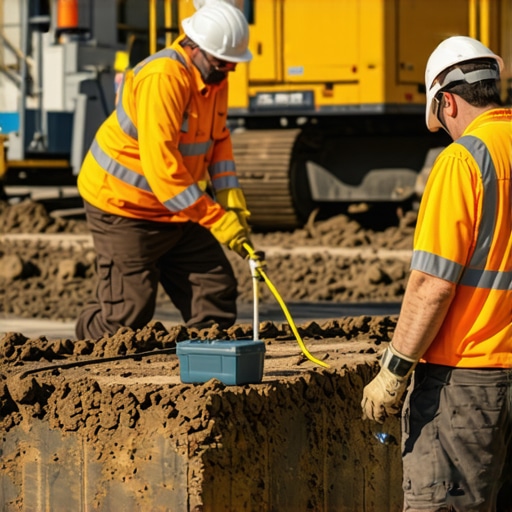
I remember the exact moment when I realized I was heading into a costly mistake on a recent site. We had begun a daylighting project, and I impatiently rushed through the initial steps. Suddenly, a loud bang echoed through the site. My heart sank. We’d hit a utility line — a mistake that could have been avoided with better planning and adherence to proper safety protocols. That lightbulb moment taught me the importance of protecting underground sensors and utilities, especially as the 2026 deadlines for new infrastructure come closer.
Why Protecting Sensors Matters More Than Ever
In this fast-evolving field of site services, safety isn’t just about compliance — it’s about preventing costly damages and delays. With the push towards innovative techniques like vacuum excavation, there’s a tremendous opportunity to safeguard critical underground utilities. Did you know that utility strikes cost the construction industry billions annually? According to the U.S. Department of Transportation, utility damage claims alone amount to over $30 billion each year. That staggering figure underscores why getting it right now can save you from facing massive fines, project delays, and unhappy stakeholders later.
One thing I learned early on was that even the most experienced teams can make mistakes if they’re not vigilant. I once underestimated how easily underground sensors could be compromised during excavation. A small oversight — rushing without verifying sensor locations — led to a utility hit that set our project back by days. That slip-up was a harsh lesson, but it motivated me to dig into rules that would help avoid similar errors in future projects. And that’s exactly what I want to share with you today: a handful of practical, proven vacuum excavation rules that will keep your site safe and efficient as we move toward 2026.
Is the Hype About Vacuum Excavation Overblown?
It’s natural to wonder whether these protective measures are really necessary or just industry buzz. I used to think traditional digging was enough — until I realized that the risks of utility strikes are real and costly. One mistake I made was relying solely on paper plans without using vacuum excavation to verify subsurface conditions. Since then, I’ve seen firsthand how vacuum excavation not only prevents dangerous utility hits but also enhances overall site safety. If you’re skeptical, consider how integrated strategies like vacuum excavation for precise subsurface assessment can make a difference. They’re transforming site safety and eliminating almost half of utility damages on complex projects.
Now, imagine avoiding the emergency repairs, fines, and project delays that come from utility strikes. Sounds good, right? Well, the good news is that by following a few essential vacuum excavation rules, you can drastically reduce those risks. Ready to find out what they are? Let’s dive into some real-world tips that will help you protect your sensors and ensure a smooth, cost-effective dig in 2026.
Start with Precise Planning and Site Mapping
Before any physical work begins, create a detailed site map using existing utility records and conduct a visual inspection. Think of this like mapping a treasure hunt before digging — the more clues you gather upfront, the less likely you’ll hit surprises. I once skipped this step on a daylighting project, relying solely on old blueprints, only to strike an unmarked gas line during excavation, causing delays and costly repairs. Incorporate trusted utility mapping services to visualize subsurface assets accurately and avoid costly errors.
Use Vacuum Excavation as Your Safety Net
Vacuum excavation acts like an X-ray for underground utilities, providing a non-destructive way to expose and verify pipe and sensor locations. Instead of traditional digging with heavy machinery that can inadvertently damage unseen assets, implement safe, precise vacuum techniques—think of it as using a gentle vacuum cleaner to avoid breaking fragile items. I personally used this method on a commercial site, slowly revealing utilities layer by layer, which prevented a potentially hazardous gas line hit. Incorporate vacuum excavation for accurate subsurface assessment and see your site become safer and more predictable.
Layer Your Approach with Advanced Site Services
Engage comprehensive site services that include utility detection, ground-penetrating radar, and sensor verification—these are your team’s secret weapons. Like using a metal detector and a map, combining these tools increases certainty about underground assets. I coordinated this multi-tool strategy during a daylighting project near an urban transit hub, significantly reducing utility strikes. Remember, integrated solutions drive efficiency and safety, especially as we approach the 2026 compliance deadline. Learn more about maximizing safety with advanced site services.
Implement Continuous Monitoring and Verification
Throughout excavation, keep verifying sensor and utility positions regularly. Terminate each phase with fresh verification, like checking your progress while assembling a delicate machine. I once documented a process where periodic checks prevented a small misalignment, saving hours of work and potential re-excavation. Use portable sensors and real-time data collection to maintain an up-to-date picture of underground conditions, ensuring no surprises surface later.
Document and Communicate for Future Success
Record all utility locations, sensor verifications, and site conditions meticulously. Consider this your safety inventory—if something goes wrong, having detailed records is invaluable. Share this information promptly with all stakeholders. I learned this the hard way when incomplete records led to confusion during a critical phase, causing unnecessary delays. Employ digital mapping tools and keep logs accessible, creating a reliable reference for ongoing or future projects. To enhance your strategy, explore efficient borehole and daylighting solutions that complement this documentation process.While many professionals focus on the basics of site services like borehole installation and daylighting, some nuanced misconceptions can lead to costly mistakes. A common myth is that standard procedures suffice for locating underground utilities; in reality, relying solely on old blueprints or electromagnetic surveys can result in utility strikes. These oversights are especially dangerous as urban infrastructures become denser and more complex, demanding advanced verification techniques. An often overlooked nuance is the importance of combining ground-penetrating radar with vacuum excavation, which together significantly reduce the risk of damaging hidden utilities. This layered approach isn’t just an industry best practice—it’s supported by studies such as those from the National Utility Mapping Association, emphasizing the need for multiple verification strategies to prevent damage and delays. A critical mistake many make is underestimating the importance of real-time site monitoring during excavation. Continuous verification of sensors and utilities can catch misalignments early, avoiding
Equip Yourself for Lasting Performance
Maintaining efficiency and safety in site services, borehole drilling, vacuum excavation, and daylighting hinges on using the right tools and software. Over the years, I’ve refined my arsenal, focusing on equipment that offers reliability, precision, and ease of use. For example, I swear by the Vermeer D200x350 drill rig for boreholes; its hydraulic system reduces downtime and enhances accuracy. When it comes to excavation, the DepthRite Digital Depth Indicator has become invaluable. It provides real-time depth measurements, preventing over-digging and hitting hidden utilities.
For site mapping and planning, advanced utility detection tools are crucial. I recommend the GSSI UtilityScan Pro, which combines ground-penetrating radar with GPS synchronization, allowing for highly precise underground utility mapping. This combination drastically reduces the risk of utility strikes, especially in complex urban environments.
How do I keep these tools functioning over time?
Regular maintenance is non-negotiable. For mechanical equipment, schedule monthly inspections, focusing on hoses, filters, and oil levels. Adhere strictly to manufacturer guidelines—most have detailed checklists that ensure longevity. Software tools require periodic updates to stay current with new underground utility data. Invest in training your team to recognize signs of wear or malfunction so issues can be addressed proactively. Additionally, keeping spare parts on hand—such as filters, hydraulic seals, and GPS batteries—speeds up repairs and minimizes project delays.
In my experience, establishing a maintenance log helps track service intervals, identify recurring issues, and plan for upgrades. As we approach the 2026 infrastructure goals, integrating predictive maintenance technologies, like IoT sensors that monitor equipment health, will become standard practice. These innovations forecast failures before they occur, saving significant time and costs.
Long-term results depend on consistent care. For example, I’ve seen companies double the lifespan of their vacuum excavation units by following a rigorous lubrication and inspection schedule. This not only preserves the equipment’s effectiveness but also ensures safety compliance and operational readiness.
Invest in Quality Tools to Scale Up Effectively
As project demands grow, scalable solutions become essential. Modern equipment features modular attachments, digital interfaces, and remote diagnostics—allowing for quick adaptations and minimal downtime. For instance, upgrading from manual gauges to digital sensors provides more accurate readings and faster troubleshooting. Embracing these advancements will prepare your team for the challenges of 2026 and beyond.
Remember, maintenance isn’t just about fixing problems—it’s about fostering a culture of reliability. Consider partnering with trusted equipment providers who offer ongoing support and updates. Now’s the time to review your toolkit, identify gaps, and implement maintenance routines that keep your site services performing at their best long-term.
Shadows You Never Saw Coming: My Unexpected Lessons in Site Safety
One of the most profound lessons I learned was that no amount of planning can replace vigilance when it comes to underground utilities. Relying solely on outdated blueprints or a single detection method can lull you into a false sense of security. During a daylighting project, a misjudged sensor placement almost led to a costly utility strike, reminding me that multiple verification layers are essential. That lightbulb moment drove me to adopt integrated strategies, combining ground-penetrating radar with vacuum excavation, ensuring no underground surprise remains hidden.
Harnessing Tools for Outcomes You Can Trust
The right equipment has saved my projects countless times. My go-to toolkit includes the GSSI UtilityScan Pro for precise underground mapping, coupled with portable sensors for real-time verification. These tools have not only increased safety but also boosted efficiency—saving valuable time and resources. Regular maintenance and team training ensure these tools deliver optimal performance every time. I encourage every professional in site services, borehole drilling, and daylighting to invest in quality gear for long-term success.
Transforming Anxiety into Confidence on Site
My biggest encouragement to you is to shift your mindset from reactive to proactive. Embrace continuous monitoring, meticulous documentation, and early verification as habits, not just steps in a process. This approach will help you navigate the increasingly complex underground landscape as the 2026 deadlines approach. Remember that safeguarding underground sensors now isn’t just about compliance—it’s about setting a standard of excellence that your team can be proud of and others will follow.
Reading this post really resonated with me, especially the part about how even seasoned teams can underestimate the importance of verifying sensor locations during excavation. I recall a project where we relied solely on outdated plans, thinking we had everything mapped out, only to encounter an unmarked utility line. It was a costly lesson that underscored the value of layering verification methods like ground-penetrating radar alongside vacuum excavation. I’ve found that integrating multiple detection technologies not only reduces risk but also boosts confidence that underground utilities are accurately located before any heavy digging begins.
I’d be interested to hear from others—how do your teams ensure continuous accuracy during prolonged excavation projects? Do you have specific protocols or tools that help maintain a high level of safety and precision throughout the process? Sharing these practices could help all of us prevent those costly surprises when dealing with complex underground environments.