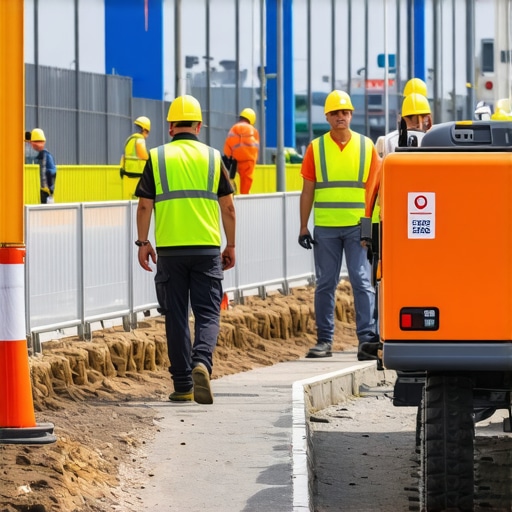
It was a sticky summer morning when I watched a utility strike happen right in front of my eyes—an excavator accidentally hitting a live power cable. The worker’s face shifted from concentration to shock in seconds, and I realized then how close I was to disaster if I hadn’t been paying attention. That incident became a wake-up call for me about the critical importance of precise, safe excavation methods. Today, I want to share how embracing vacuum excavation is transforming site safety on construction projects, especially with the upcoming regulations set for 2026.
Facing the Critical Need for Safer Excavation The Future Is Clear
Construction sites are only growing more complex, with underground utilities and fragile infrastructure threading beneath our cities. Relying on traditional digging methods is increasingly risky, often leading to costly utility damages, project delays, and even worker injuries. I’ve learned from experience—early on, I made the mistake of ignoring the potential for utility strikes, thinking manual methods were enough. That was a costly lesson. Since then, I’ve seen firsthand how vacuum excavation offers a safer, more reliable approach for site prep and utility exposure. As regulations tighten with 2026 approaching, adopting these advanced techniques isn’t just smart—it’s essential.
Is Vacuum Excavation Really Worth the Hype?
I used to be skeptical about whether modern solutions could truly outperform traditional methods. My first project involving vacuum excavation was met with resistance—cost, unfamiliarity, doubts about its effectiveness. But after a few successful uses, I realized I had underestimated its power. Not only did it speed up the process, but it significantly reduced the risk of damaging underground utilities. This experience taught me that the initial investment pays off in safety and efficiency. If you’re wondering whether this method is suited for your site, consider the statistics: utility strikes cost U.S. construction companies millions annually—precise techniques like vacuum excavation dramatically reduce this risk, making your projects safer and more compliant with upcoming codes. For more on how site services can boost your project’s efficiency, check out this detailed overview.
Prepare Your Equipment and Site Safely
Start by selecting the right vacuum excavation machinery suited to your project size. During my first implementation, I personally observed how a well-maintained machine prevented delays caused by equipment failure, ensuring consistent progress. Clear the work area, removing obstacles that could interfere with operation. Mark underground utilities visibly and verify their presence with utility maps or pre-surveys. Using high-visibility markings helps prevent accidental damage and promotes safety.
Conduct Precise Utility Mapping and Daylighting
Before drilling, perform accurate underground utility mapping, which can be likened to GPS for underground infrastructure. I once faced a situation where misplaced utility records led to a minor strike—this was resolved quickly by real-time daylighting using borehole techniques. Boreholes act as surface indicators, revealing utility positions without invasive digging. Use a combination of electromagnetic locating tools and borehole sensors to pinpoint utilities accurately, reducing guesswork and risk. For complex sites, consider integrating site services that specialize in these accurate assessments; learn more about this at vacuum excavation solutions.
Implement Vacuum Excavation Methodically
Begin by inserting the vacuum hose into the soil at selected points, carefully avoiding known utilities. The process relies on gentle, high-powered suction, which acts like a giant vacuum cleaner aimed precisely at the ground. During my project, I adopted a systematic approach—starting from the perimeter inward—to prevent missed utilities. Slowly and steadily, the soil is removed, revealing utilities without cracking pipes or cables. This method is akin to peeling an onion layer-by-layer, providing a clear view of subsurface conditions. Remember, optimal sequencing minimizes disruption and enhances safety; check out vacuum excavation safety tips to refine your process.
Utilize Borehole Data for Accurate Daylighting
Once you have excavated a borehole nearby, analyze the data collected to confirm utility locations. During a recent project, borehole sensors detected unforeseen utility intersections, saving us from costly repairs. Boreholes serve as precise indicators, much like puncturing the surface to find out what’s beneath. Use the information to map out the safest route for final digging or installation. Incorporate these insights into your site plan for tight coordination, and explore borehole techniques for daylighting projects for advanced guidance.
Integrate Site Services for Efficiency
Coordinate with experienced site service providers early in your planning. They bring specialized equipment and trained personnel capable of executing these steps seamlessly. Previously, I collaborated with local experts who expedited utility exposure, reducing project timelines by days. This collaboration mimics the teamwork needed for complex site services, ensuring safety and precision. For tailored solutions, reach out through our contact page and discover how expert site services drive project efficiency at this article.
Many construction professionals assume that standard utility mapping and traditional digging suffice for safe and efficient site development. However, this misconception often leads to overlooked nuances that can cause costly delays or accidents. For instance, some believe that Borehole and Daylighting methods are interchangeable, but in reality, they serve distinct purposes—boreholes provide water access points, while daylighting reveals underground utilities with precision. Misunderstanding these roles can result in ineffective planning and increased risks. An advanced mistake occurs when site managers rely solely on utility maps without corroborating with real-time borehole data or vacuum excavation results, creating a false sense of security. According to experts from deepdrillpro.com, integrating multiple site services, including vacuum excavation and borehole drilling, enhances accuracy and safety. This comprehensive approach prevents ‘oops’ moments like utility strikes, which can halt projects for weeks, or worse, cause injuries. Additionally, many overlook the importance of proper sequencing—executing vacuum excavation before marking utilities ensures minimal disruption and maximum safety. An advanced challenge involves understanding the different technologies’ limitations—such as electromagnetic locators versus borehole sensors—and knowing when to deploy each for optimal results. Failing to recognize these nuances can lead to incomplete utility exposure or even accidental damage during final digs. For example, electromagnetic methods may not detect plastic pipes, emphasizing the need for borehole verification. Have you ever fallen into this trap? Let me know in the comments. To avoid these pitfalls, it’s essential to educate your team on the distinctions and best practices, as outlined in detailed guides like https://deepdrillpro.com/choosing-the-right-site-services-for-complex-excavation-projects. Remember, the key to safe, efficient site services lies in understanding and properly integrating the nuanced roles of vacuum excavation, boreholes, and daylighting—these are your tools for resilient and risk-averse urban development.
Keep Your Equipment in Top Shape
When it comes to site services such as vacuum excavation, borehole drilling, and daylighting, equipment maintenance is the backbone of reliable operations. I personally swear by routine hydraulic system checks and filter replacements every 150 hours of use, which prevent costly breakdowns and extend equipment lifespan. Regular inspections, lubrication, and calibration ensure machines operate at peak efficiency and safety standards. Investing in high-quality, durable parts also minimizes downtime and repair costs, making maintenance a smart long-term strategy.
How do I maintain site tools over time?
Creating a maintenance schedule is essential. I recommend tracking equipment usage and scheduling preventive checks aligned with manufacturer guidelines. Keeping detailed logs helps anticipate wear and tear before issues escalate. Additionally, designing a dedicated maintenance area stocked with essential spare parts and cleaning supplies streamlines routine care. For specialized tools like electromagnetic locators or borehole sensors, calibration according to the manufacturer’s instructions ensures accurate readings—crucial for pinpointing underground utilities safely. Consistent maintenance not only improves safety and efficiency but also preserves your investment, reducing unforeseen expenses down the line.
Leverage the Right Software for Better Site Management
Managing complex underground utility data requires robust software solutions. My personal go-to is GIS-based mapping platforms integrated with real-time utility data, which provide a comprehensive view of subsurface conditions. These tools allow me to plan excavations meticulously, avoiding accidental strikes and delays. With process automation features, tasks like scheduling, progress tracking, and documentation become much simpler. The evolving landscape points towards AI-powered analytics predicting utility risks based on historical data, further improving project safety and efficiency. Embracing such technology will be critical as regulations tighten and project complexity grows.
Looking ahead — predict how technology will shape site upkeep
I see a future where predictive maintenance driven by IoT sensors becomes standard, drastically reducing downtime and improving safety. Continuous sensor data analysis will alert managers about impending equipment failures before they happen, allowing preemptive repairs. This proactive approach minimizes disruptions and ensures consistent productivity. Staying ahead means integrating these advancements now—consider exploring options such as IoT-enabled moisture sensors and equipment health monitors. Starting with one or two devices can yield immediate benefits. Remember, maintaining your tools isn’t just about fixing what’s broken but evolving with technology to keep projects safe and on schedule. Discover more about innovative solutions at this resource. Don’t hesitate to try applying routine calibration with advanced sensors—the investment pays for itself in reliability and safety.
The Hardest Lesson I Learned About site services,vacuum excavation,borehole,daylighting
Early in my career, I underestimated the importance of integrating advanced site services, thinking traditional methods sufficed. A costly utility strike taught me that neglecting the nuances of vacuum excavation and daylighting can jeopardize safety and project timelines.
3 Myths About site services,vacuum excavation,borehole,daylighting That Held Me Back
I once believed that borehole and daylighting were interchangeable, leading to missteps. Additionally, I thought equipment maintenance was optional, which resulted in unnecessary downtime. Recognizing these misconceptions unlocked new levels of efficiency.
What Experts Won’t Tell You About site services,vacuum excavation,borehole,daylighting
Many professionals overlook the power of combining real-time utility mapping with vacuum excavation to prevent costly damages. The secret lies in understanding technology limitations and leveraging complementary methods for maximum safety and accuracy.
Curated Recommendations
- Deep Drilling’s Site Service Guides: These resources offer in-depth insights into modern excavation techniques, helping me stay ahead of regulations and industry best practices.
- Advanced Utility Mapping Software: Incorporating GIS platforms has transformed my planning process, reducing utility strikes and improving coordination.
- Reliable Borehole Sensors: Investing in quality sensors has provided real-time data, giving peace of mind during critical operations.
- Expert Consultation Services: Collaborating with specialists ensures precision and safety, a lesson I learned the hard way early on.
Your Turn to Try
Adopting innovative site services like vacuum excavation and daylighting isn’t just a trend—it’s becoming essential for safe, efficient urban construction. Don’t wait for a costly mistake to recognize their value. Embrace these techniques now and elevate your project safety standards. Want to share your experiences or ask about starting? Reach out through our contact page to learn more about tailored solutions that fit your needs. Ready to make safer, smarter choices in your next project? Your progress begins today.