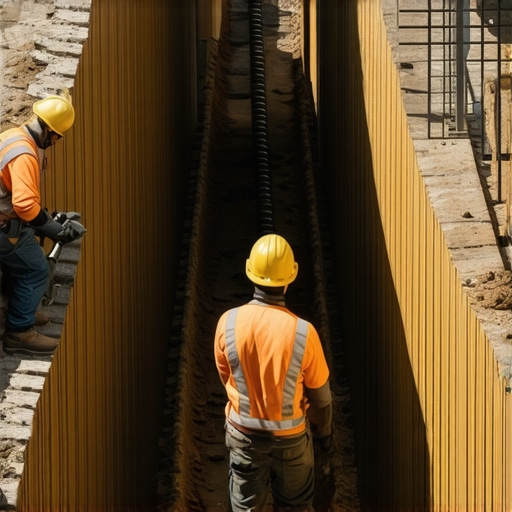
It was a typical morning on-site when I accidentally hit a live utility line—a mistake that could have turned into a disaster in seconds. The rush of adrenaline, the sudden scramble to control the situation, and the realization that a simple oversight could have caused significant delays or even injuries made me rethink everything about site safety. That lightbulb moment underscored the importance of mastering safe excavation techniques, especially as we move into 2026, where the risks are only increasing. Have you ever faced a similar dilemma, wondering if your site methods are truly safe and compliant?
Why Exposing Live Cables Is a Critical Concern Today
In the evolving landscape of urban construction and site services, identifying and protecting underground utilities isn’t just a best practice—it’s a non-negotiable. Improperly exposed cables and pipes can lead to costly utility strikes, project delays, and safety hazards. The use of advanced vacuum excavation has revolutionized how we approach these challenges, offering a safer alternative to traditional digging methods. According to research, utility strikes account for over 20% of construction delays, and many could be avoided with proper pre-exposure techniques (source: [DeepDrillPro](https://deepdrillpro.com/what-is-vacuum-excavation-a-modern-solution-for-safe-site-prep)).
However, utilizing vacuum excavation effectively requires understanding and following specific rules—rules that, if overlooked, compromise safety and efficiency. The upcoming standards for 2026 demand that all site professionals adhere to strict protocols for exposing live cables, not only to comply with regulations but to protect lives and investments.
If you’ve ever wondered whether your current approach is enough to prevent costly utility hits, you’re not alone. Many in the industry still rely on outdated practices, underestimating the complexity and risks involved. The good news? With the right knowledge and tools, you can dramatically reduce these hazards, ensuring safer, faster, and more reliable exposes.
Now, let’s dig into those essential vacuum excavation rules that will help you stay ahead of the curve and avoid the pitfalls that catch so many unprepared professionals off guard.
Prepare Your Site with Precision
Start by planning your excavation layout meticulously. Use detailed utility maps and cross-reference with recent surveys to identify underground cables and pipes. Verify the accuracy of these plans by conducting a quick visual inspection and comparing with existing records. This step minimizes surprises when you begin vacuum excavation, akin to checking your GPS before a long drive to avoid wrong turns.
Set Up Your Equipment Correctly
Ensure your vacuum excavation system is properly maintained and calibrated. Attach the appropriate nozzles and hoses for your soil type. Conduct a test run to confirm suction strength and debris collection efficiency. Precise setup prevents equipment failures mid-operation, much like tuning a guitar before a performance—every detail counts.
Implement Safe Excavation Procedures
Before starting, mark the excavation zone clearly and establish a safe perimeter. Begin with a small, controlled test excavate—this acts as a visual check to see if utilities are exposed without causing damage. Use the vacuum system to gently expose cables, maintaining a steady, controlled flow. Gradually increase the exposed area, shifting your nozzles strategically, similar to peeling layers off an onion to reach the core without tearing it apart.
Visualize the Process
Picture this: You’re working around a critical gas line near a busy urban sidewalk. A quick, deliberate test hole reveals the cable depth and location. With this confirmation, you proceed carefully, keeping the vacuum steady and monitoring surroundings for signs of movement or disruption. This cautious approach allows you to safely expose cables without risking service interruption—or worse.
Use Proper Documentation and Marking
Record your findings meticulously with photos and diagrams. Mark exposed utilities visibly with colored tape or spray paint. This not only aids in future safety checks but also ensures compliance with upcoming 2026 standards. Think of it as leaving breadcrumbs for others, minimizing mistakes and encouraging a culture of safety.
Review and Adjust Regularly
Throughout the process, continuously assess the soil condition and utility responses. If you encounter unexpected resistance or signs of utility movement, pause and re-assess. Adjust your nozzle angle or vacuum power as needed. This adaptive technique is vital—like steering a boat against a changing current, staying flexible keeps you safe and on course.
Apply Post-Excavation Safety Checks
Once utilities are exposed, perform a thorough inspection for potential damage or leaks. Verify cable integrity with non-destructive testing if available. Cover exposed utilities with protective materials and secure markings. These steps ensure the site remains safe during subsequent construction activities and prepare you for smooth project progression, reducing delays. For more insights, see how site services drive efficiency in urban construction, ensuring safety and productivity are aligned.
Many professionals assume they understand the ins and outs of critical site services like daylighting, borehole drilling, and vacuum excavation, but often, these assumptions mask deeper misconceptions. One common myth is that all site exposure methods are equally safe and effective, which couldn’t be further from the truth. For instance, traditional trenching might seem straightforward, but it significantly increases risk and causes more site disruption compared to modern vacuum excavation techniques, which offer more precision and safety, as highlighted in [deepdrillpro.com](https://deepdrillpro.com/what-is-vacuum-excavation-a-modern-solution-for-safe-site-prep).
A subtle but impactful mistake is neglecting the importance of soil type and moisture content when planning excavation. Underestimating these factors can lead to equipment failure or utility damage. For example, soft, water-saturated soils require specialized approaches; otherwise, you risk collapsing trenches or missing critical utilities due to unstable surfaces. This nuance is often overlooked by practitioners who rely solely on generic equipment settings.
Another trap involves misjudging the true complexity of daylighting in urban environments. Many think that uncovering utilities with a simple visual inspection suffices, but advanced daylighting requires precise survey techniques and often the integration of borehole data to avoid utility strikes. Failing to employ these methods can result in costly service outages and project delays, especially as regulations tighten toward 2026 standards.
The hidden artistry of borehole drilling also often goes unnoticed. It’s not just about sinking a pipe; it’s about strategic placement, soil analysis, and understanding aquifer recharge zones. Missteps here can lead to low water yields or environmental issues, which some might underestimate without proper expertise. Recent innovations now enable us to maximize yield and safety, but these advancements require a nuanced understanding—something only experienced professionals grasp fully. For deeper insights, see [deepdrillpro.com/borehole-drilling-techniques-innovations-in-daylighting-projects](https://deepdrillpro.com/borehole-drilling-techniques-innovations-in-daylighting-projects).
Perhaps the most pervasive misconception is the idea that site services are isolated tasks. In reality, they are interconnected processes that, if coordinated properly, tremendously increase project efficiency and safety. For example, combining vacuum excavation with targeted boreholes can streamline utility exposing and reduce disruptions, as discussed in [deepdrillpro.com/how-site-services-drive-efficiency-in-urban-construction](https://deepdrillpro.com/how-site-services-drive-efficiency-in-urban-construction). Failing to recognize this synergy often results in redundant efforts and increased costs.
A significant ‘oops’ is ignoring the specific technical requirements tailored to each site. For instance, employing a one-size-fits-all approach to vacuum excavation equipment or borehole strategy can jeopardize safety and yield, especially in complex environments with mixed soil conditions or underground obstructions. Recognizing the appropriate tools and techniques requires continuous education and experience.
**Ever wondered why some projects incur unexpected delays or safety incidents despite seeming adherence to standard practices?** The answer often lies in overlooked nuances and misconceptions about the tools and procedures. As professionals, we should approach site services with a critical eye, ensuring we adapt best practices to the unique challenges each project presents. Remember, embracing these advanced insights not only mitigates risks but can save significant time and money. If this resonates, let me know in the comments, and stay tuned for more in-depth analysis on ensuring safe, efficient, and compliant site operations.
Keeping your site services operational over time requires more than just initial setup; it hinges on reliable tools, consistent maintenance, and strategic planning. One tool I personally swear by is the vacuum excavation system, which offers precise and safe utility exposure, drastically reducing the risk of utility strikes and damage. I prefer models equipped with high-capacity suction and adjustable nozzles, such as the DeepDrillPro Vacuum System, because they provide versatility across different soil types and site conditions, ensuring longevity and safety.
Routine maintenance of this equipment is straightforward but crucial. Regularly inspecting hoses and nozzles for wear, cleaning filters to prevent clogging, and calibrating suction settings before each use help maintain peak performance. Using advanced software diagnostics, where available, can further preempt issues before they lead to costly downtime. As we look ahead, innovations like smart vacuum systems with IoT connectivity are poised to revolutionize maintenance routines, offering real-time alerts and predictive analytics to prolong equipment life.
How do I maintain vacuum excavation tools over time?
Implementing a scheduled maintenance plan is essential. This includes periodic checks of hydraulic components, replacement of worn-out nozzles, and updating software firmware if applicable. Additionally, storing equipment in climate-controlled environments shields it from corrosion and environmental damage, ensuring durability. Maintaining consistency in operational procedures also ensures machinery operates within specified parameters, reducing unexpected breakdowns. To maximize safety and efficiency, I advocate adopting a comprehensive maintenance checklist tailored to your specific equipment model, which you can find detailed in industry standards or manufacturer guidelines.
Beyond tools, leveraging robust software platforms like daylighting benefits explorers enhances project planning. These platforms provide detailed underground utility maps, aiding in proactive decision-making and reducing surprises during excavation. Integrating such digital solutions into your workflow not only streamlines operations but also extends the lifespan of your physical tools by minimizing unnecessary strain and misuse.
Looking to the future, the trend is moving towards integrated equipment and digital management systems, which promise to make site service maintenance more predictive and less reactive. As technology advances, expect to see AI-driven diagnostics and autonomous maintenance cycles becoming standard, further reducing downtime and operational costs. Embracing these innovations today positions your team ahead of the curve.
For those committed to long-term reliability, I recommend trialing a comprehensive maintenance regimen combined with modern digital tools. Start by scheduling regular calibration and inspection intervals and leverage software-based utility mapping to anticipate potential issues. Applying these practices will help keep your site services running smoothly through the evolving standards and demands of 2026 and beyond. For a deeper dive into how these tools can revolutionize your operations, visit this resource.
The Hardest Lesson I Learned About Site Services, Daylighting, Borehole, Vacuum Excavation
Early in my career, I underestimated the intricacies of underground utility exposure, assuming that standard practices sufficed. A near-miss with a live cable made me realize that precision, patience, and continuous learning are vital. It taught me that my assumptions could be dangerous, and that staying updated on the latest vacuum excavation techniques is not optional but essential for safety and efficiency.
3 Myths About Site Services, Daylighting, Borehole, Vacuum Excavation That Held Me Back
I believed that traditional trenching was enough for exposing utilities. I thought all soil types responded similarly to excavation methods. And I assumed safety protocols were just paperwork. Breaking these myths opened my eyes to advanced methods, like innovative borehole strategies and the power of digital utility mapping, which significantly reduced risks and project delays.
What Experts Won’t Tell You About Safe Site Operations and 2026 Standards
Seasoned professionals know that the real game-changer is integrating digital tools with hands-on techniques. For example, using comprehensive site planning software, like the tools recommended in urban infrastructure daylighting guides, can prevent costly utility strikes. Staying ahead means embracing continuous education and adopting the latest vacuum excavation innovations to comply with the upcoming 2026 regulations.
My Essential Toolkit for Ensuring Safe Site Services
My go-to equipment includes high-capacity vacuum excavation systems with adjustable nozzles, as detailed in modern vacuum systems usage guides. Supplementing hardware with digital utility maps, like those discussed in site efficiency resources, ensures comprehensive planning. Regular maintenance and training for your team are the pillars of consistent safety.
Your Turn to Try
The future of site services and safe excavation practices is bright but requires proactive engagement. By incorporating advanced techniques and fostering a culture of safety, you can avoid common pitfalls and set higher standards on your projects. Remember, mastering these methods not only saves time and money but also safeguards lives and infrastructure.
What innovative safety measure or tool have you recently added to your site services arsenal? Share your experiences and insights below—I look forward to learning from your journey!
,