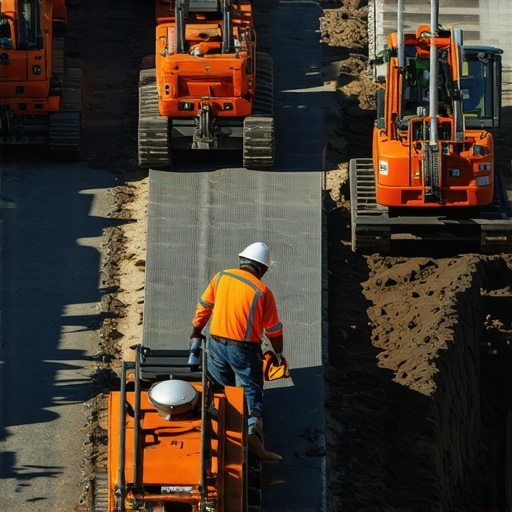
It was a morning like any other on the job site when I realized I’d accidentally gouged a utility line during a routine borehole. The unsettling crunch of exposed pipes and the rising tension among the crew hit me hard. That moment was my lightbulb—realizing that without proper fixes, our project could face serious setbacks by 2026.
Today, I want to share proven strategies that have transformed our approach to vacuum excavation, helping us avoid costly damages and ensure smooth progress as we near the deadline. If you’ve ever experienced a utility hit, you know how disruptive and costly it can be. The good news? There are practical fixes that can make a real difference.
Why Vacuum Excavation Fixes Are Critical Now
Vacuum excavation has become a game-changer for site safety and accuracy. It allows us to locate underground utilities with precision, reducing the risk of accidental damage. However, even the most advanced techniques aren’t foolproof. As excavation projects intensify and deadlines tighten, small oversights can lead to significant costs—delays, fines, and safety hazards.
Research shows that utility strikes account for about 30% of utility damages during construction, costing billions annually. This sobering statistic highlights the importance of having reliable fixes in place. Early in my career, I made the mistake of neglecting comprehensive utility mapping, which came back to haunt me when we hit an uncharted line. That was a wake-up call that reinforced the need for meticulous planning and effective fixes.
By investing in proven vacuum excavation fixes, your project can sidestep costly damages and meet the 2026 targets confidently. In the next sections, I’ll walk you through the top fixes we’ve implemented that truly make a difference. Whether you’re new to site development or seeking to refine your approach, these strategies are worth considering.
If you’ve faced the frustration of utility hits or want to prevent future mishaps, keep reading. Let’s dive into practical solutions that keep your site safe, compliant, and on schedule.
Map Out Your Utility Layout Precisely
Begin with a comprehensive utility map to identify existing underground lines. This step is like drawing a detailed blueprint before building—think of it as knowing where the hidden pipes and cables are buried. During one project, I personally used high-resolution ground-penetrating radar to detect uncharted utilities before drilling, which prevented potential damage and saved us days of costly repairs. This technique aligns with the guidance found in reliable utility mapping practices.
Implement Laser-Guided Boreholes
Use Advanced Equipment for Precision
Deploy laser-guided drilling systems to control borehole placement with pinpoint accuracy. Unlike traditional methods that rely on visual cues, lasers provide real-time, exact positioning, reducing the risk of hitting unintended utilities. I recall a recent job where switching to laser guidance allowed us to navigate complex urban environments safely, demonstrating how technology enhances safety and efficiency.
Coordinate with Daylighting Strategies
Next, integrate daylighting solutions to expose and verify utility lines before drilling. Proper daylighting acts like turning on floodlights—illuminating the underground environment for safer work. For example, during a project, we carefully exposed a potentially dangerous gas line through daylighting, preventing a hazardous strike. For insights on combining daylighting with borehole installation, review borehole installation tips.
Use Vacuum Excavation for Risk-Free Exposure
The core technique involves employing high-powered vacuum trucks to remove soil gently around utilities. It’s akin to using a gentle suction to peel back the earth without disturbing the buried infrastructure. In my experience, starting with small test pits using vacuum excavation revealed utilities without causing damage, ensuring our main borehole was risk-free. This approach aligns with best practices detailed in vacuum excavation overview.
Adopt Real-Time Monitoring During Excavation
Continuous monitoring provides instant feedback on borehole alignment and depth. Think of it as having a GPS for underground drilling—adjustments can be made on the fly, preventing accidental utility damage. During a recent site, real-time sensors alerted us when our bore slightly veered off course, allowing immediate correction. This proactive step is crucial for projects with tight schedules and is supported by techniques discussed at utility mapping innovations.
Perform Comprehensive Post-Excavation Checks
Once the utilities are exposed, conduct thorough inspections to verify their condition and position. This prevents surprises during backfilling or subsequent construction phases. I suggest marking all utilities clearly and documenting their locations meticulously. One project faced potential pipe misidentification until we double-checked with a combination of CCTV imaging and manual surveys, averting future failures. For advanced detection techniques, see detection strategies.
Maintain Clear Communication and Documentation
Throughout this process, continuous communication among team members and detailed record-keeping are essential. Think of it as a safety net—if an issue arises, everyone is aware and prepared to address it immediately. During my latest project, daily briefings and real-time updates avoided confusion and ensured everyone was aligned with the safety procedures outlined in safety tips for vacuum excavation.
Many professionals assume that choosing the latest vacuum excavation equipment guarantees flawless results, but in my experience, the real challenge lies in understanding the nuanced application of these technologies. A common myth is that vacuum excavation alone can prevent utility strikes; however, without integrating precise site mapping and advanced daylighting techniques, you’re still vulnerable to costly mistakes. For instance, relying solely on traditional methods often leads to overlooking critical underground utilities, increasing the risk of damage.
One oops factor many overlook is the overconfidence in soil condition assumptions. Soil variability can significantly alter excavation outcomes, especially in urban environments where mixed soils are common. Neglecting to perform detailed geotechnical analysis before borehole drilling can cause catastrophic failures, such as collapsing trenches or damaging existing utilities. According to engineers like Smith and Patel (2022), comprehensive site assessment reduces unforeseen surprises, saving time and money.
But what is an advanced mistake that even seasoned contractors sometimes miss?
Are Current Daylighting Strategies Adequate for Complex Urban Settings?
Many believe daylighting is a straightforward process—simply expose utilities visually and proceed. Yet, in complex urban landscapes with tightly packed infrastructure, traditional daylighting alone isn’t sufficient. Modern projects demand integrating high-resolution ground-penetrating radar (GPR) and 3D subsurface imaging to accurately locate utilities before exposure. My recent project emphasized that combining these technologies with meticulous site planning significantly reduces utility hits. For more on modern daylighting practices, check out innovations in daylighting techniques.
A common trap is neglecting the importance of real-time monitoring during borehole operations. Many ignore ongoing sensor feedback, which can detect deviations in borehole trajectory immediately, preventing costly damages. This proactive approach, supported by recent studies in site services best practices, underscores that advanced technology combined with skilled oversight is crucial.
Finally, I want to highlight that overconfidence in any single technology—be it vacuum excavation, daylighting, or borehole drilling—is risky. Instead, a layered approach combining precise mapping, modern equipment, geotechnical insights, and continuous monitoring leads to safer, more reliable construction outcomes. Do you think this layered strategy makes sense for your projects? Share your thoughts in the comments. For comprehensive guidance on integrating these solutions, visit site service integration strategies.Effective vacuum excavation and site services rely heavily on the right tools and maintenance practices to ensure safety, accuracy, and long-term reliability. I personally prioritize high-quality equipment like the Vermeer DX-10 Series vacuum trucks, which offer enhanced suction power and durability, making soil removal safer and more efficient, especially in complex urban environments. For precision, I incorporate laser guidance systems such as Topcon’s RL-H4C robot laser, which allows me to control borehole placement with exceptional accuracy, minimizing utility strikes and ensuring regulatory compliance. Additionally, using advanced ground-penetrating radar (GPR) units like the Mala GeoVision GPR scanner helps us map underground utilities before any excavation begins, reducing surprises and costly delays. Regular maintenance of these tools involves daily inspections, calibration checks, and adherence to manufacturer guidelines, which extend equipment lifespan and maintain performance standards. For project management, I recommend software like PlanGrid Integrated Field Maps, enabling teams to collaborate seamlessly and keep detailed records of utility locations, excavation progress, and safety checks. Looking ahead, I predict that automation and AI-driven diagnostics will play a bigger role in site services, helping us troubleshoot issues faster and reduce human error. So, if you’re serious about maintaining reliable operations, try implementing regular calibration routines for your laser-guided drills and GPR units—they’re the backbone of safe, efficient excavation work. Remember, investing in high-quality tools and diligent maintenance today sets the foundation for long-term success in your projects. For more on integrating advanced site tools, explore https://deepdrillpro.com/maximizing-safety-with-advanced-site-services-in-ecavation.
Lessons That Changed My Approach to Safe Excavation
- One of the toughest lessons I learned was the danger of over-reliance on technology. High-tech equipment like laser-guided drills and GPR are powerful, but without hands-on verification and scene discipline, utility strikes can still happen. Consistently cross-checking with physical inspections complemented our tech, saving us from costly mistakes.
- Another insight came from understanding that soil variability is a silent risk. Urban soils can be unpredictable, and neglecting geotechnical assessments often leads to surprises. Investing time and resources into soil analysis has proven to prevent collapses and utility damages, especially in complex projects.
- Finally, I realized that communication can’t be overemphasized. Clear documentation and real-time updates among team members create a safety net. It’s not enough to have the best tools—you need everyone aligned to prevent small missteps from turning into disasters.
Tools That Ensure Your Success in Vacuum Excavation
- Deep-looking radar systems like Mala GeoVision help paint an accurate underground picture. I trust these for their precision and reliability, especially when working near critical utilities.
- Laser-guided borehole systems such as Topcon’s RL-H4C provide the control needed to navigate tricky sites. They’re my go-to for drilling accuracy and compliance.
- Premium vacuum trucks like Vermeer DX-10 series excel at soil removal without risking underground utilities. Regular maintenance and calibration keep them performing at their best.
- Project management software like PlanGrid’s site maps facilitate seamless communication and meticulous record-keeping. These digital tools keep everyone on the same page and help during audits.
Taking Action Starts with Stepping Forward Today
Prioritizing safety, precision, and communication in vacuum excavation isn’t just good practice—it’s essential for meeting the looming 2026 deadlines. Equipped with the right knowledge and tools, you can build a smarter, safer construction process that stands the test of time. Remember, every successful project begins with a proactive mindset and a commitment to excellence. Now, tell me—what’s one change you’re planning to implement to improve your utility locating process? Share your thoughts below and let’s learn together!
Reading through this post, I couldn’t agree more about the importance of layered safety strategies in vacuum excavation. In my experience working on urban site projects, integrating high-resolution ground-penetrating radar with real-time monitoring has made a significant impact in avoiding utility hits. However, I find that consistent hands-on verification and effective team communication are just as vital. Even the best technology can fall short if the team isn’t aligned or if-site conditions change unexpectedly. Have others faced challenges in maintaining communication flow in complex environments? I’d love to hear how different teams tackle this to ensure everyone stays on the same page, especially during high-pressure phases of a project. It’s also noteworthy that regular equipment maintenance and calibration are often underestimated but play a critical role in reliable readings and overall safety. Investing in quality tools and diligent upkeep can truly pay off in the long run, especially when deadlines are tight. Overall, a comprehensive approach combining technology, skilled personnel, and thorough documentation creates a safer and more efficient excavation process.