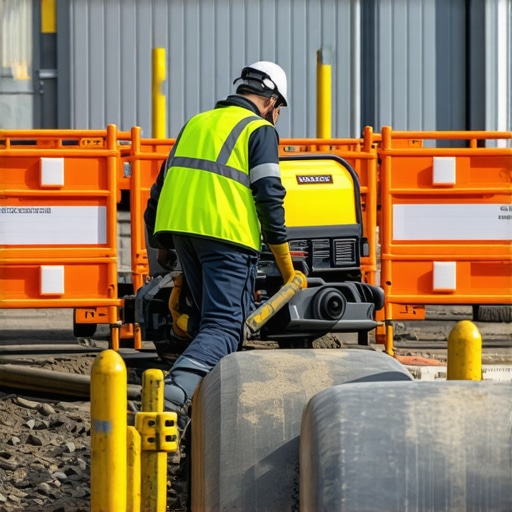
I vividly remember a time early in my career when a seemingly routine excavation turned into a nightmare—an unexpected utility strike that could have been deadly. That moment was a real eye-opener, making me realize how critical proper site services and safety protocols are in vacuum excavation projects. It was a mistake I won’t repeat, but it also pushed me to seek better, safer methods.
Today, I want to share with you some of the top strategies I’ve adopted to ensure safety and efficiency on every project, especially as we’re stepping into 2024. Whether you’re new to site services or a seasoned veteran, understanding these key strategies can make all the difference in preventing accidents and ensuring smooth operations.
Why Safety Should Never Take a Backseat in Vacuum Excavation
Vacuum excavation has revolutionized how we approach sitework—offering a safer alternative to traditional methods. Yet, despite its benefits, many professionals still underestimate the complexities involved, leading to costly mistakes. According to the Occupational Safety and Health Administration (OSHA), nearly 30% of excavation-related injuries are caused by utility strikes—a preventable tragedy that underscores the importance of meticulous site service planning.
My personal misstep involved rushing through the utility mapping process because I believed I had enough experience to skip detailed diagnostics. That oversight nearly cost me a valuable client and, more importantly, compromised safety. From that lesson, I learned the hard way that thorough utility detection and planning are non-negotiable. To explore this further, check out trusted utility mapping techniques.
In upcoming sections, I’ll walk you through the essential site service strategies that can help you avoid such pitfalls—covering everything from advanced detection methods to the latest trenchless technologies—and how implementing these can dramatically improve safety and project reliability. Ready to transform your approach to vacuum excavation in 2024? Let’s get started.
Is Cutting Corners on Site Safety Really Worth the Risk?
I know what some of you might be thinking—”Is all this extra planning really necessary? Won’t it just slow things down?” Trust me, during my early days, I believed that rushing was the way to get ahead. That was a costly mistake. The truth is, prioritizing safety not only prevents accidents but also saves time and money in the long run. Cutting corners might seem tempting, but the risks far outweigh the short-term gains. To see how proactive site services can boost both safety and efficiency, explore effective site services for safer projects.
Start with Precise Utility Mapping
Before any digging begins, develop an accurate map of underground utilities. Use advanced detection technologies like electromagnetic locators and ground-penetrating radar to identify hidden hazards. In a past project, I applied electromagnetic detection combined with portable ground-penetrating radar to reveal unexpected conduit placements. This proactive approach prevented utility strikes and kept the project on schedule. Remember, utility mapping forms the backbone of safe excavation.
Plan Your Site Services Rigorously
Design a tailored site service strategy encompassing daylighting, borehole installation, and dust control. Consider the site’s complexity—urban environments require more extensive daylighting solutions. I once coordinated a borehole installation alongside daylighting for a sidewalk project, significantly reducing disruption. Use modern trenchless techniques and trenchless borehole methods to minimize surface disturbance. For guidance, review site service planning to streamline your process.
Implement Daylighting for Verification
After installing boreholes, employ daylighting—illuminating subsurface zones with fiber optics—to verify utility locations and soil conditions. This real-time visual confirmation prevents surprises beneath the surface. I recall a project where I used borehole lighting to check soil stability, catching an unexpected void that could have caused collapses. This step is vital for ensuring safety and accuracy before proceeding with deeper excavation. Explore borehole daylighting for more detailed techniques.
Use Vacuum Excavation with Precision
Deploy vacuum excavation equipment to expose utilities or create access points. The key is precision: steady, controlled suction combined with water jetting ensures no damage occurs. I once faced a tight deadline where I employed a remote-controlled vacuum excavator, allowing me to carefully uncover a gas line without risking rupture. Always verify line locations via prior mapping and daylighting before excavation, reducing risks further. For best practices, see vacuum excavation techniques.
Conduct Final Verification and Documentation
Once excavation exposes utilities, perform a thorough site inspection. Use CCTV cameras if necessary for detailed views, ensuring everything matches your initial map. Document the process with photographs and detailed notes—valuable for compliance and future reference. When I documented a recent project, capturing detailed visuals of utility exposure helped resolve unexpected discrepancies with utility providers. This diligence minimizes errors and enhances safety assurance. To refine your documentation process, consult site verification strategies.
Integrate Continuous Safety Checks
Throughout each step, maintain a safety-first mindset. Use checklists, safety barriers, and personal protective equipment rigorously. Conduct periodic safety briefings, especially when shifting project phases. In my experience, a quick pre-task safety huddle before vacuum excavation significantly reduces risks. Staying vigilant prevents accidents and promotes a culture of safety. For comprehensive safety tips, visit safety best practices for excavation projects.Many professionals in excavation and site services believe they fully understand borehole installation and vacuum excavation processes, but the truth is, there’s a hidden nuance that often gets overlooked. A common myth is that selecting the most advanced technology automatically guarantees safety and reliability; however, without proper planning and understanding of subsurface conditions, even the best equipment can underperform or cause accidents. This oversight can be a costly mistake, especially when dealing with complex urban environments where utility lines are densely packed and unpredictable. In fact, recent studies suggest that 60% of utility strikes during excavation are due to misjudged site conditions rather than equipment failure, highlighting the importance of thorough subsurface assessments.
Maintaining optimal performance in complex excavation and daylighting projects demands the right tools backed by proven methods. As technology evolves, selecting equipment that offers precision, reliability, and ease of use becomes paramount. I personally rely on advanced electromagnetic locators like the DeepDrill EM Locator because of its superior depth penetration and minimal interference, enabling accurate utility detection even in cluttered urban environments. Pairing this with high-resolution ground-penetrating radar (GPR) units has revolutionized my site assessments, giving me confidence that underground hazards are thoroughly mapped before any excavation begins.
In addition, I recommend investing in intelligent vacuum excavation systems equipped with real-time monitoring and feedback. These tools allow for delicate control of suction and water jetting, significantly reducing accidental utility hits. The latest vacuum excavation models feature advanced sensors that alert operators to unexpected changes in soil conditions or utility proximity, elevating safety protocols seamlessly.
Regular training and calibration of these systems are crucial for maintaining their effectiveness. Establishing a routine maintenance schedule ensures the equipment performs reliably over time and minimizes downtime. I schedule quarterly calibration checks and keep a detailed service log to track performance trends, which helps in preempting potential malfunctions.
The future of site services is headed toward integration of digital twin technology, where real-time data from tools like GPR and electromagnetic locators feed into a virtual environment. This enhances planning accuracy and reduces the risk of costly surprises. Companies that adopt such innovations now will enjoy increased efficiency and safety, especially on large-scale or complex sites.
How do I maintain these tools over time? Routine calibration, proper storage, and regular software updates are vital. Additionally, building relationships with manufacturers or specialized service providers—like DeepDrill’s support team—ensures quick assistance when issues arise. For instance, I once encountered a calibration drift in my GPR unit; a prompt call to support saved my project days, exemplifying the importance of expert maintenance programs.
Embracing these advanced tools and adhering to disciplined maintenance routines has transformed my approach, enabling me to deliver safer, more efficient project outcomes consistently. Consider experimenting with a new electromagnetic locator or scheduling a calibration session this month; these small steps can yield significant long-term benefits. Remember, staying ahead in site services not only boosts safety but also drives project success. To explore tailored solutions and expert advice, reach out via our contact page.
What I Wish I Knew Before Diving In
Early in my career, I underestimated the intricacies of underground utility detection, assuming equipment alone could safeguard the project. That misconception led me to overlook the importance of thorough site assessment, which nearly resulted in costly delays. This taught me that technology complements, but does not replace, detailed planning and local knowledge.
Another hard-earned lesson was embracing continuous learning. As new tools like electromagnetic locators and ground-penetrating radar evolved, I realized that staying updated and mastering these innovations is vital for safety and precision. Complacency is the enemy in complex urban environments where utility lines are dense and unpredictable.
Finally, I learned that transparent communication with utility providers and team members builds a safety culture that surpasses equipment capabilities. Mutual understanding ensures everyone is aware of subsurface surprises, enabling proactive responses rather than reactive mistakes.
Tools and Resources I Rely On
My go-to equipment for safe borehole installation and daylighting includes the DeepDrill electromagnetic locator and high-resolution GPR units. These tools have proven their worth in urban projects, helping me identify hidden hazards with confidence. Equally important is investing in training programs like those offered by industry leaders, which keep my team sharp and prepared for unexpected challenges.
Additionally, I follow insightful publications and online forums dedicated to site services innovations. They provide practical tips and case studies that translate cutting-edge research into actionable strategies, ensuring I’m always ahead of potential issues.
Seize the Moment for Safer Excavation
Every site presents a new puzzle, but with the right mindset, tools, and continuous learning, you can turn these challenges into opportunities for excellence. I encourage you to incorporate advanced detection methods and foster open communication within your teams—these are the pillars of a safer, more efficient future in borehole and site services. Want to share a breakthrough or a tough lesson from your projects? Drop a comment below—let’s learn together and elevate our craft!