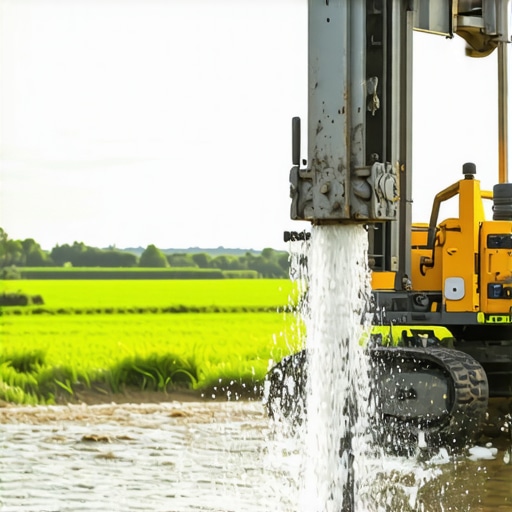
Have you ever stood at a construction site or rural property, eyes scanning the ground, wondering if you’ll ever find clean, reliable water? I certainly have. There was a time when a seemingly straightforward borehole project turned into a nightmare—unexpected delays, unreliable yields, and mounting costs. That lightbulb moment made me realize something crucial: effective borehole solutions aren’t just technicalities—they’re the backbone of successful, safe, and sustainable site development.
The Cornerstone of Reliable Water Access in 2024
In my early days, I underestimated how vital proper planning and the right technologies are for borehole success. I once relied solely on traditional drilling methods without considering advanced site services like vacuum excavation or daylighting strategies. The result? Several failed attempts, increased costs, and a frustrating cycle of trial and error. It was clear I needed a smarter approach, one rooted in the latest innovations and safety practices.
Ever Wondered if Your Current Strategy Is Holding You Back?
Many professionals face the same dilemma—are their current borehole techniques truly optimized for reliable water access? Early in my career, I made the mistake of skipping detailed site assessments, not realizing how this oversight could compromise the entire project. According to recent industry insights, proper site characterization significantly improves borehole yields and reduces environmental risks (Deep Drill Pro). So, if you’ve ever questioned whether your approach is up to date, you’re not alone. Let’s explore how to turn this challenge into a proven advantage with effective solutions and expert strategies.
Map Your Site with Precision
Start by conducting a detailed site assessment. Think of it as creating a blueprint before building—identify underground utilities, soil types, and water tables. Use trusted tools like utility mapping and vacuum excavation to prevent surprises. For instance, I once used vacuum excavation to verify underground cable placements, avoiding costly damages and delays (Trusted Utility Mapping). This step ensures your borehole plan aligns perfectly with actual subsurface conditions.
Employ Advanced Site Services for Safe Excavation
Choose the Right Utility Detection Methods
Utilize vacuum excavation for subsurface assessments—it’s like having x-ray vision below ground, revealing obstacles without disturbing the surface (Vacuum Excavation Benefits). This method minimizes site disruption and enhances safety, especially in urban environments where underground infrastructure is dense.
Integrate Daylighting for Better Borehole Access
Leverage daylighting techniques to expose the top of your borehole—providing a clear, safe approach for drilling. Think of daylighting as opening a window into the earth, giving your drilling team a secure and precise entry point. Proper integration, supported by expert site services, boosts efficiency and safety (Daylighting Tips).
Optimize Drilling and Construction Tactics
Apply innovative drilling techniques tailored to your site conditions. For example, rotary drilling with specific mud systems can improve yield and reduce setup times. During one project, adjusting the drilling approach mid-operation resulted in a significant increase in water flow—saving both time and money (Drilling Techs).
Focus on Safety and Compliance
Always implement safety protocols aligned with the latest standards. Use expert site services to oversee safety measures, ensuring adherence and risk mitigation. Remember, a safe site isn’t just about compliance—it’s about protecting your team and infrastructure (Safety Strategies).
Leverage Integrated Solutions for Sustainable Results
Combine daylighting, vacuum excavation, and innovative drilling into a cohesive process. This synergy not only enhances reliability but also streamlines the project — think of it as a well-oiled machine working seamlessly. Consulting with specialists can further tailor these strategies to your specific site, ensuring long-term water access and safety (Borehole Solutions).
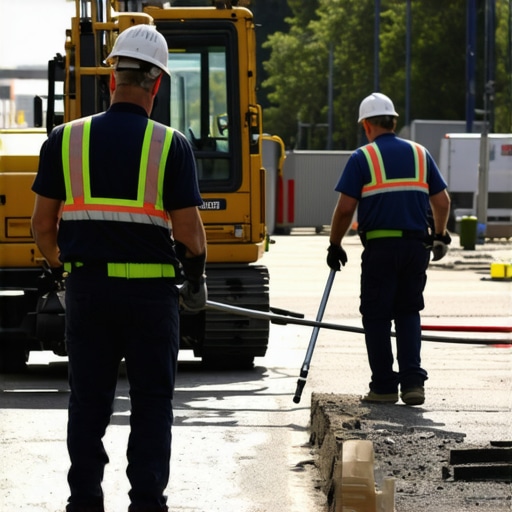 When it comes to borehole installation and site services like vacuum excavation and daylighting, many assume their roles are straightforward processes. However, these assumptions often lead to costly mistakes and missed opportunities for optimizing safety and efficiency. For example, a prevalent misconception is that traditional drilling methods alone are sufficient for reliable water access, but neglecting advanced site evaluation can drastically reduce yields (Deep Drill Pro). Recognizing these nuances is crucial for seasoned professionals who aim for excellence.
What Advanced Techniques Can Truly Safeguard Your Site
In my experience, the biggest oversight is underestimating the importance of combining multiple site services effectively. Many rely solely on utility mapping without integrating vacuum excavation for obstacle detection or daylighting for precise borehole access. This siloed approach can cause unforeseen delays and safety hazards (Deep Drill Pro). For instance, vacuum excavation isn’t just a safety measure—it’s an essential step in preventing surprises like underground utilities or unanticipated soil conditions, which can incur significant costs if overlooked (Deep Drill Pro). One must also consider the layered effects of poorly coordinated site services—an ‘oops’ that can compromise project timelines and safety standards.
Advanced Level Question: How Do You Balance Precision and Cost in Site Preparation?
Addressing this question requires understanding that investing in comprehensive site assessments, including high-resolution utility detection and daylighting, yields long-term benefits. While upfront costs may seem higher, they mitigate much larger expenses related to rework or accidents (Deep Drill Pro). Industry experts emphasize that an integrated approach, combining mechanical and non-mechanical methods, enhances reliability without necessarily inflating budgets, provided the strategies are tailored to the specific site conditions.
It’s also vital to stay updated with emerging technologies and industry standards, as the landscape of site services evolves rapidly. Making informed choices now can prevent obsolete practices from hampering future projects. Do you think your current approach adequately balances safety, cost, and efficiency? Reflect on these nuances and consider whether you’ve fallen into any common traps. Have you ever fallen into this trap? Let me know in the comments.
Prioritize Regular Equipment Checks for Longevity
One of the most effective ways to ensure your borehole and site services operate smoothly over time is through consistent maintenance of your equipment. I personally schedule monthly inspections of vacuum excavation machinery, checking hydraulic hoses, filters, and electrical systems. This proactive approach helps identify issues before they escalate, reducing downtime and repair costs. Remember, well-maintained equipment doesn’t just last longer—it performs more reliably, especially in demanding environments.
Select the Right Software for Site Management
Using specialized software like BDR Tracker allows me to monitor equipment usage, schedule preventive maintenance, and keep detailed records of site service activities. These tools provide valuable insights into operational patterns, enabling smarter decisions about resource allocation and timely interventions. As technology advances, integrating IoT sensors into equipment can automate data collection, alerting you to potential issues in real-time. This trend is poised to become standard in site management, drastically enhancing efficiency and safety.
Adopt Advanced Cleaning Techniques
Maintaining cleanliness of tools and machinery is often overlooked but vital. I recommend investing in hot water pressure washers and automatic filter cleaners for vacuum systems. Regular cleaning not only prolongs equipment life but also ensures optimal performance, particularly for critical tools involved in daylighting and utility mapping. For example, clean vacuum hoses prevent blockages that could compromise subsurface assessments, saving both time and money. Staying on top of cleaning routines becomes even more important as equipment ages or is used in challenging soil conditions.
Long-Term Monitoring and Data Collection
Long-term success in borehole projects depends on diligent data collection. Implementing remote sensors and data loggers allows continuous monitoring of borehole yields, water quality, and equipment status. Over time, this data helps in predicting maintenance needs and optimizing extraction techniques. In my experience, maintaining a digital log of performance metrics has led to more precise planning and fewer surprises. As data analytics tools become more accessible, leveraging them will be key to sustainable site management.
How do I maintain site services over time?
Maintaining your site services involves scheduled inspections, applying technological upgrades, and staying informed about new best practices. Regularly updating your equipment and software ensures you stay ahead of potential failures and safety concerns. Consulting with specialist support, like Deep Drill Pro, can provide tailored maintenance plans that align with your operational goals. Remember, consistent upkeep not only extends equipment lifespan but also guarantees ongoing safety and efficiency. Consider testing new preventive measures, such as incorporating IoT sensors into your machinery, to further enhance your maintenance strategy. This proactive stance is where the industry is heading—embrace it now to keep your site services running seamlessly.
Lessons Only the Trenches Can Teach
One of the hardest lessons I learned in borehole projects is that over-reliance on traditional methods can blind you to safer, more efficient strategies. I once pushed forward with minimal site assessment, only to face costly surprises underground. These experiences taught me that embracing advanced site services like vacuum excavation and daylighting isn’t just an upgrade—it’s essential for success (Deep Drill Pro). The real game-changer was understanding that rigorous planning and integrated solutions prevent failures before they happen.
Tools and Insights That Changed My Approach
My go-to resources now include specialized software such as Daylighting Installation Guides—they help me visualize the process in detail. I also trust industry-leading tools like vacuum excavation units (Learn why) for obstacle detection. Books authored by seasoned geotechnical engineers have expanded my understanding of soil interactions (See my favorites). These resources keep me ahead in the evolving landscape of safe and reliable borehole development.
Deep Down, It’s About Making a Difference
Ultimately, my passion comes from knowing that each successful borehole is a step toward sustainable water access and safer construction sites. I encourage you to think beyond the basics—consider how integrating comprehensive site services could revolutionize your projects. It’s not just about drilling a hole; it’s about building trust, safety, and long-term reliability (Explore innovative solutions). Just imagine what’s possible when you combine experience with a willingness to embrace cutting-edge strategies—your projects, and the communities they serve, will thank you.