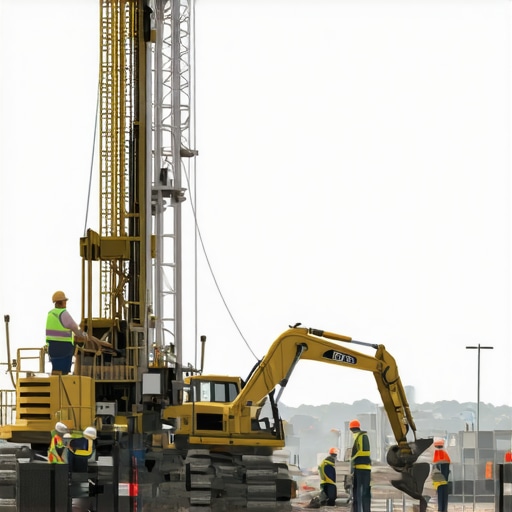
I remember a project where I almost hit a hidden underground pipe because I wasn’t paying attention. It was a close call, and that moment hit me like a ton of bricks: proper illumination isn’t just about visibility—it’s about safety, accuracy, and efficiency. That eye-opening experience led me down the path of exploring innovative site services, especially daylighting and vacuum excavation, which are revolutionizing construction safety.
Why Proper Site Illumination and Accurate Excavation Matter More Than Ever
In the bustling world of construction, unanticipated underground obstacles can derail timelines and escalate costs. Traditional excavation methods often involve guesswork, which increases risks of damaging existing infrastructure and jeopardizing worker safety. According to the Occupational Safety and Health Administration (OSHA), workplace accidents related to unmarked underground utilities account for a significant portion of construction incidents each year. This startling fact underscores the importance of using advanced solutions like daylighting and vacuum excavation to identify subsurface hazards early.
You might wonder, “Is investing in these modern techniques really worth it?” Well, my early missteps taught me that overlooking these innovations can lead to costly delays and safety hazards. Once I started implementing reliable site services, the difference was night and day—not just literally, but in our safety records and project efficiency.
Is Daylighting and Vacuum Excavation Really the Future of Safe Construction?
Initially, I hesitated, thinking these methods were just trendy options. But after a few mishaps, I realized they are essential. Vacuum excavation, for instance, allows for precise, non-destructive digging, dramatically reducing risks to underground utilities. It’s like giving your site a detailed map before digging. To understand how this works in practice, I recommend checking out resources on vacuum excavation for safe site prep.
Making mistakes in early days—like neglecting utility mapping—cost me dearly, both financially and in terms of safety. Learning from those errors, I now prioritize integrating these techniques into every project. They’re not just buzzwords; they are proven strategies that can make a significant difference.
The good news is, with the right combination of daylighting and top-tier site services, we can create safer, more reliable construction environments. Up next, I’ll walk you through practical steps to incorporate these solutions into your projects—because avoiding mistakes isn’t just about safety; it’s about achieving the best results, without compromise.
Start with a Precise Site Assessment
Before any digging begins, conduct a thorough survey of the site. Use ground-penetrating radar or electromagnetic methods to detect existing utilities and underground structures. I remember a project where I skipped this step and nearly hit a water main—causing costly delays. Incorporate reliable utility mapping from borehole-daylighting solutions to avoid surprises.
Implement Accurate Utility Detection Techniques
Use vacuum excavation for utility location—this method employs high-pressure air or water to gently remove soil, exposing utilities without damaging them. Think of it like using a gentle, focused vacuum to pick up delicate objects—fast, precise, and non-destructive. During a project, I used vacuum excavation techniques to identify a concealed fiber optic line, preventing potential service interruptions.
Incorporate Boreholes for Better Visibility
Drill small, strategic boreholes to serve as daylighting access points. These boreholes provide a direct view into subsurface conditions, helping planners visualize underground complexities. I found that installing borings in key locations before large excavation minimized surprises and increased safety, especially when combined with borehole installation tips.
Choose the Right Site Services for the Job
Select appropriate equipment and services based on project complexity. For challenging sites, consider expert site services that include vacuum excavation, daylighting, and utility mapping. During one job, I coordinated with a team that specialized in vacuum excavation solutions, which expedited work and enhanced safety margins.
Utilize Modeling and Planning
Create 3D models of the underground environment by combining data from boreholes, utility maps, and site surveys. This visualization helps avoid accidental strikes and ensures precise excavation. I used a combination of site modeling tools to coordinate complex digging plans, reducing risks significantly.
Train Teams on Best Practices
Ensure your crew understands the importance of these advanced techniques. Conduct safety and technique workshops focusing on vacuum excavation procedures and utility recognition. I once led a training where workers appreciated visual demonstrations of vacuum excavation safety tips, which improved overall adherence to safety protocols.
Monitor in Real-Time During Excavation
Use sensors and cameras to oversee excavation progress continuously. This allows immediate detection of anomalies or utility encounters. During one project, real-time inspection prevented a potential utility strike that could have caused serious delays. Integrate these practices with daylighting and borehole solutions for comprehensive site monitoring.
” alt=”Excavation site with utility detection equipment” title=”Excavation safety using vacuum excavation and daylighting”/>Many professionals believe that simply adopting vacuum excavation and daylighting techniques guarantees site safety and efficiency. However, this misconception overlooks the critical nuances that can make or break a project’s success. One common myth is that these methods are universally applicable without considering site-specific factors. In reality, understanding the subtleties of soil conditions, utility densities, and environmental constraints is essential. For instance, relying solely on standard vacuum excavation equipment without customizing parameters can lead to incomplete utility detection, increasing risks of damage or strikes. Advanced experts emphasize the importance of integrating comprehensive site assessments, such as detailed utility mapping and borehole data, to tailor the excavation approach effectively.
Is Your Site Prepared for Complex Utility Layouts?
Overconfidence in generic solutions often leads to overlooked complexities. A notable trap is assuming that daylighting alone can unveil all underground obstacles. In fact, the practice of strategic borehole installation enhances visibility and accuracy. It’s a delicate process that requires precise planning and execution; neglecting this step can result in surprises and costly delays. According to industry research, combining borehole data with sophisticated modeling significantly improves underground hazard detection. Moreover, developers should be cautious of the ‘one-size-fits-all’ mindset; each project demands a customized strategy for utility detection and site services. For example, using high-pressure air for vacuum excavation might be effective in sandy soils but less so in clay-rich environments, where water-based methods may perform better.
Another critical nuance is understanding the limitations of current technology and avoiding over-reliance on a single method. While vacuum excavation is non-destructive and precise, it should be complemented with electromagnetic utility detection for comprehensive results. Combining techniques reduces blind spots, especially in densely utility-saturated urban settings. Additionally, employing real-time monitoring tools like sensors and cameras further mitigates risks during excavation. Advanced site services providers highlight that a mixed-method approach, supported by thorough planning, is the key to minimizing damage and ensuring project safety.
Don’t fall into the trap of thinking that advanced techniques are infallible or universally straightforward. Instead, invest in detailed site assessments and tailor your approach based on unique site conditions. Remember, superior safety and efficiency stem from understanding and navigating these nuanced details. For deeper insights into adaptative strategies, explore the benefits of integrated borehole and daylighting solutions found at Ultimate Borehole and Daylighting Solutions. Have you ever fallen into this trap? Let me know in the comments.In the demanding world of underground construction and site services, having the right tools and a solid maintenance routine are vital for long-term success. By investing in high-quality equipment and adopting proactive maintenance strategies, contractors ensure their operations stay efficient and safe. I personally rely on advanced vacuum excavation units like the DeepDrill Vacs, which I have found to be exceptionally durable and easy to service, reducing downtime and repair costs. Regularly inspecting and calibrating these machines, especially the pumps and soil removal components, prevents unexpected breakdowns. Incorporate routine checks guided by manufacturers’ recommended schedules—this simple habit extends the lifespan of your equipment significantly.
Using software like SiteMaster Pro for planning and maintenance tracking allows for real-time monitoring of tool performance and upcoming service needs. These platforms help me anticipate maintenance before issues arise, based on operational hours and usage data, much like predictive analytics in the automotive industry. Prediction suggests that in the future, integrating IoT sensors into site equipment will enable even smarter maintenance, offering automatic alerts for wear and tear, thereby minimizing downtime further.
How do I keep my tools running smoothly over time?
Regular cleaning, timely part replacement, and applying protective coatings to sensitive parts help prevent corrosion and mechanical wear. Moreover, training my team to handle equipment correctly ensures no accidental damage during use. I always emphasize that proper training on vacuum excavation techniques not only prolongs tool life but also enhances safety. Additionally, consulting with equipment manufacturers or trusted vendors, like those recommended in DeepDrill’s site services resources, guarantees proper maintenance practices tailored to specific equipment.
To keep your tools performing reliably, I advocate establishing a maintenance schedule that integrates manufacturer recommendations with your operational data. Don’t wait for a breakdown—proactively addressing wear and tear saves costs and keeps your projects on schedule. For example, routinely replacing seals and filters in vacuum units can prevent major failures later on.
Looking ahead, adopting IoT-enabled sensors for real-time diagnostics promises to revolutionize maintenance routines, offering near-instant insights into equipment health. Coupling these technological advances with your existing routines ensures your tools stay in top shape for long-term projects.
Now, I challenge you to implement a weekly inspection protocol for your vacuum excavation units, focusing on critical components like pumps and hoses. This small step can drastically extend their lifespan and optimize your site safety. Whether you’re working on daylighting or boreholes, maintaining your equipment diligently is the secret to sustained success in complex site projects.
Lessons Reinforced by Hard Truths
One of my most significant lessons is the danger of complacency when it comes to underground utility detection. Early in my career, I underestimated the value of thorough site assessments, which led me to a close call with a concealed water line. That experience cemented the importance of integrating advanced site services like borehole-grounded daylighting and vacuum excavation, which I now consider non-negotiable in my workflow.
Another realization came from understanding that technology alone isn’t a silver bullet. Relying solely on vacuum excavation or electromagnetic detectors without comprehensive planning and on-site judgment increases risks. Combining these tools with strategic boreholes and real-time monitoring creates a layered defense—akin to having multiple safety nets, ensuring that mistakes are caught before they cause harm.
I’ve also learned that customized approaches trump generic solutions. Soil types, utility densities, environmental conditions—each site presents unique challenges. Tailoring your method, whether it’s adjusting vacuum pressures or choosing specific borehole placements, can mean the difference between a safe project and costly accidents.
My Toolbox for Reliable Site Success
In my toolkit, I highly trust the comprehensive solutions offered by trusted providers specializing in vacuum excavation and borehole daylighting. Resources like site services for complex excavations have become indispensable, guiding me through selecting appropriate techniques based on site specifics.
Additionally, books like “Safe Excavation Practices”—which I recommend to every professional—provide foundational knowledge and real-world case studies that deepen understanding. These resources consistently reinforce my commitment to continuous learning and adaptation in the face of evolving technology and complex projects.
Seize the Moment and Lead the Change
The future of construction safety depends on proactive, informed decision-making. Embrace innovative site services like daylighting and vacuum excavation not just as efficient tools, but as essential safeguards for your team and project success. Every underground hazard you unveil before breaking ground is a step toward safer, more reliable construction environments.
What’s the most surprising lesson you’ve learned about underground utility detection? Share your story below—I’d love to hear how your experiences shaped your approach.