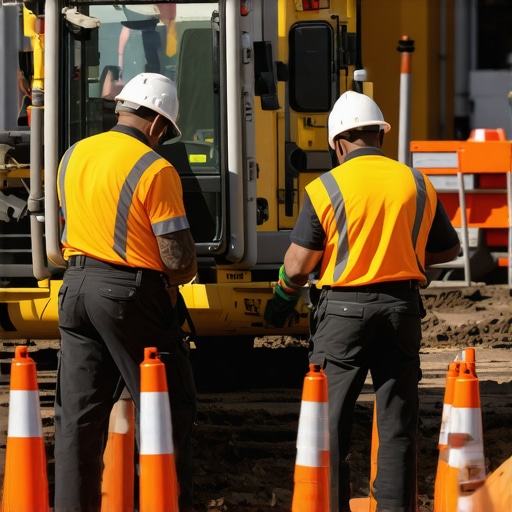
I’ll never forget the moment I almost hit a gas line on a busy construction site. The adrenaline rush, the panic, and the realization that a small mistake could lead to disaster. That lightbulb moment made me realize just how critical vacuum excavation safety is—and how easily it can be overlooked in the rush of project deadlines. If you’ve ever faced a similar scare or worry about the safety of your site, you’re not alone. Construction work, especially involving underground utilities, demands precision and care. That’s why in 2024, mastering safety tips for vacuum excavation isn’t just wise—it’s essential.
Why Safe Vacuum Excavation Matters More Than Ever
Construction projects today are more complex and densely packed with underground infrastructure than ever before. A single mistake can result in costly delays, injuries, or worse. According to the Occupational Safety and Health Administration (OSHA), utility strikes are among the top causes of construction accidents, many of which could be prevented with proper techniques. My early days in the field taught me the hard way that rushing to meet deadlines often leads to overlooked safety protocols. That mistake cost me time and credibility, but it also taught me the importance of diligent site services — especially vacuum excavation, which is increasingly recognized as a safer alternative to traditional methods.
Vacuum excavation not only reduces the risk of damaging underground utilities but also enhances efficiency. When done correctly, it can significantly cut down on site disruptions and ensure workers’ safety. If you’re wondering whether this approach is worth the hype, I can assure you, it is. But the key lies in understanding the right safety practices and tools. Want to make sure your team is protected and your project stays on track? Stay tuned, because I’ll walk you through practical safety tips that will change how you see site prep forever.
Is Vacuum Excavation Actually Worth the Hype?
Early on, I dismissed vacuum excavation as just another fancy tool. My mistake. I thought traditional digging was reliable enough—until I cracked a water line in a tight alleyway, causing hours of work and a hefty repair bill. That experience opened my eyes to the importance of proper techniques and equipment. Today, I know that investing in the right site services, like trusted vacuum excavation solutions, pays off in safety, accuracy, and peace of mind. For more insights on how modern methods are transforming site prep, check out this detailed guide.
So, if you’ve faced doubts or fears about utility strikes or safety lapses, remember: the right knowledge and tools can prevent disaster. Now, let’s dive into the practical steps to ensure your excavation process is as safe and efficient as possible.
Identify Underground Utilities Before Excavating
Start with comprehensive utility mapping to prevent accidental strikes. Use advanced detection tools like electromagnetic locators and ground-penetrating radar (GPR) to pinpoint underground infrastructure. I once arrived at a site where I assumed the utilities were clear, but after a quick scan with GPR, I discovered a gas line just inches below the surface. This saved me from a potentially dangerous mistake and underscored the importance of accurate utility detection.
Use Reliable Utility Mapping Technology
Invest in trusted utility mapping solutions such as those described at trusted utility mapping services. Regular calibration of these devices ensures precise detection, reducing the risk of utility strikes during vacuum excavation.
Plan Your Excavation Path Carefully
Before digging, develop a detailed plan based on utility maps. Visualize the route as a safe corridor, avoiding known utility lines. I recall drawing out the site plan and marking zones of caution, which guided the crew’s approach. This planning minimizes surprises and keeps the team aligned on safety protocols.
Mark and Protect Critical Areas
Use physical barriers, safety tape, and temporary signage to delineate hazard zones. When I worked on a project with complex underground wiring, clear markings prevented accidental damage and kept everyone alert. Proper marking is an easy step that pays off by preventing costly delays and injuries.
Operate Vacuum Excavation Equipment Correctly
Choose the right equipment suited for your site’s conditions. Set vacuum pressure and water flow parameters carefully to avoid disturbing nearby utilities. I once adjusted the pressure too high, causing debris to scatter and obscure utility lines. After dialing it back, I maintained a clean, controlled excavation, ensuring utility integrity.
Use Proper Nozzles and Hoses
Utilize specialized nozzles that direct water efficiently and minimize splashback. Regularly inspect hoses for wear and tear. This attention to detail keeps equipment functioning optimally and prevents accidental utility exposure.
Implement Real-Time Monitoring and Communication
Maintain constant communication among team members via radios or signals. Use visual cues like flags or markers to indicate progress and hazards. During a recent project, real-time updates allowed the team to adjust their approach instantly when utility lines shifted slightly during excavation.
Adopt a Safety First Mindset
Always prioritize safety protocols over speed. Conduct daily briefings to review procedures and address concerns. My experience taught me that a cautious approach prevents accidents and fosters a culture of responsibility.
Evaluate and Document the Process
After each project, review what went well and identify areas for improvement. Document utility locations, equipment settings, and safety measures. This record helps streamline future excavations and enhances safety compliance. I found that keeping detailed logs minimized errors and reinforced best practices across projects.
By following these concrete steps, you can significantly reduce risks associated with vacuum excavation and ensure a safer, more efficient construction site. For more insights on integrating modern site services, visit this comprehensive guide.
Many professionals in construction and site services operate under misconceptions that can compromise safety and efficiency. Let’s dig deeper into what most people get wrong and how these myths can lead to costly mistakes. One widespread belief is that all utility detection methods are equally reliable. In reality, relying solely on traditional electromagnetic locators without confirming with ground-penetrating radar (GPR) can be risky, especially in complex urban environments where utilities are densely packed. Modern detection technologies like GPR provide a nuanced understanding of subsurface conditions, reducing the chance of utility strikes. For an in-depth guide on integrating these tools, check out trusted utility mapping solutions.
Why Do Many Overlook Borehole and Daylighting Nuances?
Another common misunderstanding involves borehole installation and daylighting. Some think that drilling boreholes is straightforward, but advanced techniques demonstrate that precise positioning and understanding soil conditions are critical for success. For instance, improperly planned boreholes can lead to water infiltration or structural issues, especially in urban settings. Experts advocate for detailed site assessments and tailored borehole strategies, like those outlined at borehole installation tips. This attention to detail ensures seamless daylighting integration, which is vital for sustainable infrastructure.
Furthermore, many underestimate the importance of daylighting as a safety measure. Proper daylighting not only enhances utility access but also minimizes the risk of utility strikes during excavation. It’s not enough to simply bore a hole; the process must be executed with advanced planning and precision. This is where the misconception that daylighting is optional can be dangerous. Implementing expert techniques, such as controlled borehole drilling, dramatically improves site safety and project reliability. For comprehensive insights, visit borehole and daylighting solutions.
Are Site Services Always a One-Size-Fits-All Solution?
A critical mistake many make is assuming that standard site services fit every project. Construction sites vary enormously, especially when dealing with complex underground utilities and environmental conditions. Relying on a cookie-cutter approach can lead to overlooked hazards or subpar results. Experts emphasize customizing services like vacuum excavation and borehole drilling to the specific project needs, which involves detailed site analysis and advanced planning. For tailored solutions, explore site service selection tips.
In conclusion, the real expertise lies in understanding these nuances, challenging common myths, and applying advanced techniques. Doing so not only enhances safety but also streamlines project timelines and reduces costs. Have you ever fallen into this trap? Let me know in the comments, and stay vigilant on your site safety journey!”
Keep It Running Smoothly with the Right Tools
In the world of construction, especially when dealing with vacuum excavation, boreholes, and daylighting, having reliable tools isn’t just a convenience — it’s a necessity for safety and efficiency. One tool I swear by is the high-powered, portable vacuum units from trusted brands like Vac-Tron. These machines offer adjustable pressure settings, allowing me to tailor the suction power precisely to the soil and utility conditions. This flexibility reduces the risk of utility damage and minimizes site disruption. Regular maintenance, such as inspecting hoses for wear and calibrating pressure gauges, ensures these units perform consistently and last longer. For regular site operations, I also rely on advanced utility locators that incorporate ground-penetrating radar (GPR) technology. These tools, like the Radiodetection RD8100, provide detailed subsurface images, helping prevent costly utility strikes and ensuring safe excavation. Investing in quality equipment and maintaining it diligently not only extends its lifespan but also keeps your projects on schedule and within budget. As technology advances, I predict a growing integration of IoT sensors into site tools, enabling real-time performance monitoring and predictive maintenance, which will further enhance safety and reliability.
How do I maintain site services over time?
Maintaining site services such as vacuum excavation and borehole systems involves a proactive approach. Daily visual inspections are crucial — check hoses, filters, and nozzles for signs of wear or damage. Regularly schedule professional calibration of your detection and excavation equipment to ensure accuracy. For vacuum units, draining and cleaning filters prevent clogs, while lubricating moving parts reduces wear. Keep detailed logs of maintenance activities and any repairs; this documentation helps identify recurring issues and plan preventive measures. When it comes to borehole drilling, monitoring soil conditions and adjusting drilling parameters accordingly can prevent equipment strain and extend its operational life. Additionally, staying updated with manufacturer guidelines and participating in training sessions ensures your team operates tools correctly and safely. As the industry moves forward, embracing smart maintenance solutions powered by IoT and AI will become standard, allowing for real-time diagnostics and minimizing downtime. To see how these innovations are already making a difference, explore this resource.
Tools I recommend for long-term success
My top recommendation for consistent site service performance is the use of modular, easy-to-maintain equipment. For vacuum excavation, I prefer units with quick-change nozzles and easily accessible filters, which facilitate rapid cleaning and part replacement. For borehole drilling, I opt for drill rigs equipped with advanced soil sensors that provide real-time data, enabling me to adapt drilling parameters instantly. Additionally, I rely on software solutions like SiteDocs, which streamline maintenance logs, safety checklists, and equipment tracking, ensuring nothing falls through the cracks. Combining high-quality hardware with intelligent software creates a seamless maintenance ecosystem that sustains long-term productivity. Looking ahead, I believe the integration of AI-driven predictive maintenance will revolutionize site services, proactively alerting operators to potential failures before they happen, saving time and reducing costs. If you want to enhance your operational reliability, start by investing in equipment with built-in diagnostic features and adopting comprehensive maintenance plans. For more about effective site service strategies, check out this guide.
Three Surprising Lessons That Changed My Approach to Site Services
One of the most valuable insights I gained was the importance of verifying utility locations beyond standard detection methods. I once relied solely on electromagnetic locators, only to find out later that ground-penetrating radar revealed hidden utility lines that could have caused a serious accident. This experience taught me that combining multiple detection technologies provides a safety net that’s well worth the investment.
Another lesson I learned the hard way involved equipment calibration. I assumed my vacuum units were set correctly, but after a minor mishap, I realized that regular calibration and maintenance are essential to ensure safety and efficiency. This proactive approach saves time and prevents costly errors, especially in complex urban environments where underground infrastructure is dense and unpredictable.
Finally, I discovered that clear communication and real-time monitoring are game-changers. During a project with shifting utility lines, having team members communicate through radios and use visual markers enabled us to adapt instantly, avoiding potential utility strikes. This reinforced my belief that technology and teamwork are inseparable for safe, successful site services.
My Go-To Resources for Mastering Site Safety
For reliable utility detection, I trust tools like the Radiodetection RD8100, which offers detailed subsurface imaging. Its accuracy has prevented injuries and delays on my sites. When it comes to planning excavation routes, I highly recommend reviewing these expert site services that tailor solutions to your project’s unique needs.
In terms of learning more about safe excavation techniques, I turn to cornerstone content like this comprehensive guide on vacuum excavation. It’s packed with insights that help me stay ahead in safety and precision.
And for ongoing education, I follow industry webinars and subscribe to newsletters from safety-focused organizations, ensuring I stay updated on the latest innovations and best practices.
Take Action and Protect Your Team Today
Every construction site has its unique challenges, but the core principles of verification, maintenance, and communication are universal. I encourage you to review your current procedures and ask yourself: Are you truly leveraging all available tools and techniques to keep your team safe? The future of site services, vacuum excavation, and daylighting is bright—when we apply what we’ve learned and stay vigilant.
What’s the biggest safety lesson you’ve learned from your site experiences? Share your story below and let’s learn from each other’s journeys to safer construction sites.