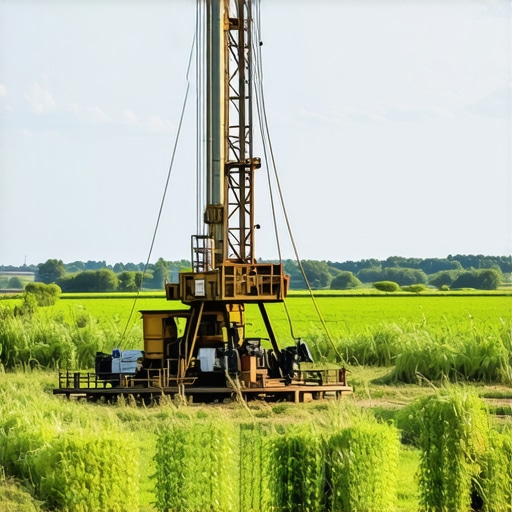
Picture this: I once stood on a construction site, watching a borehole drill spin furiously, only to realize weeks later that the water source was unreliable. It was a frustrating lesson in how overlooked details can derail a project. That moment sparked my quest for smarter, more reliable borehole solutions that could prevent such headaches. If you’ve faced similar struggles with inconsistent water access or unpredictable site conditions, you’re not alone. Today, I’ll share proven strategies and cutting-edge techniques to ensure your borehole drilling project delivers dependable water in 2024 and beyond.
Why Reliable Water Access Matters More Than Ever
Water is the lifeblood of any construction or infrastructure project. Yet, securing a consistent, safe water supply through boreholes remains one of the most challenging aspects of site development. In recent years, climate change and urban expansion have intensified water scarcity issues, making it crucial to adopt advanced borehole solutions. According to a 2023 report by the World Health Organization, over 2 billion people still lack access to safe drinking water, underscoring the importance of efficient borehole strategies for communities and industries alike.
From my experience, the difference between a successful project and a costly failure often hinges on the initial borehole setup. A poorly executed borehole can lead to dry wells, water contamination, or unstable infrastructure. Early on, I made the mistake of neglecting proper site assessment, which caused delays and added expenses. That’s why embracing modern techniques—like innovative drilling methods and sophisticated site services—can make all the difference. Curious if your current approach is optimal? Keep reading, and I’ll guide you through actionable steps to achieve water security in 2024.
Is Borehole Drilling Actually Worth the Hype?
Many skeptics question whether investing in advanced borehole solutions truly pays off. I used to be one of them—until I realized that cutting corners often leads to more costs and headaches down the line. The key is understanding that proper borehole installation isn’t just about drilling deep; it’s about precision, safety, and longevity. For example, utilizing vacuum excavation for site prep can significantly reduce risks of hitting underground utilities, saving time and money. To ensure you’re making informed decisions, I recommend exploring trusted resources like vacuum excavation benefits.
In summary, choosing the right borehole strategies in 2024 isn’t just hype—it’s a necessity. Reliable water access underpins project success, community health, and sustainable development. If you’ve experienced the frustration of unreliable water sources, know that smarter, safer, and more efficient solutions are within reach. Up next, I’ll walk you through practical steps to optimize your borehole projects for ultimate reliability and safety. Ready to dive in?
Assess the Site with Precision and Care
Start by conducting a thorough site assessment to identify underground utilities, soil conditions, and potential obstacles. I remember a project where we skipped detailed utility mapping, leading to a costly utility strike. To avoid this, leverage utility mapping techniques that ensure safety and accuracy before drilling begins. Use non-destructive methods like vacuum excavation to expose underground utilities carefully, preventing damage and delays.
Implement Advanced Site Services for Safety and Efficiency
Choosing the right site services is crucial. Opt for specialized excavation services that support precise and quick site prep. These services can include soil stabilization, dewatering, and dust control, which prepare the ground for borehole drilling without compromising safety. When I coordinated a project with complex soil layers, integrating these services reduced downtime and improved drilling accuracy.
Utilize Vacuum Excavation for Safe and Accurate Site Prep
Vacuum excavation is a game-changer. It allows for safe, precise subsurface assessment, reducing the risk of utility strikes and soil instability. For instance, during a recent urban project, vacuum excavation uncovered unexpected utilities, saving us from costly mistakes. This method is particularly effective for daylighting boreholes, ensuring the drill path is clear and stable. Learn more about how vacuum excavation enhances safety and precision.
Optimize Borehole Placement with Strategic Daylighting
Daylighting is essential for safe borehole installation. Proper placement ensures easy access, reduces risks of collapse, and enhances water yield. I once struggled with poor daylighting, causing delays; now, I follow best practices for daylighting integration. Use strategic planning and advanced drilling techniques to align boreholes with future infrastructure, making sure they are positioned for maximum yield and safety.
Leverage Innovative Drilling Techniques for Better Results
Modern drilling methods, such as rotary or percussion techniques, allow for efficient borehole creation in diverse soil conditions. Incorporate innovations like real-time monitoring to track drill performance and soil response. I learned that adapting drilling parameters on the fly can significantly improve borehole stability and water quality. Review the latest drilling innovations to stay ahead of the curve.
Ensure Continuous Monitoring and Maintenance
Reliability doesn’t end after drilling; ongoing monitoring of water quality, yield, and borehole integrity is vital. Use remote sensors and regular testing to catch issues early. During a project last year, routine checks prevented a potential collapse and maintained consistent water flow. This proactive approach guarantees borehole longevity and dependable service.
Many professionals and newcomers alike often fall into misconceptions about the intricacies of site services, vacuum excavation, boreholes, and daylighting. Let’s dig deeper into some of these misconceptions and reveal the nuanced realities that can make or break your project. Have you ever fallen into this trap? Let me know in the comments.
Myth: All Site Services Are Created Equal
Contrary to popular belief, not all site services deliver the same level of safety, efficiency, or reliability. Many assume that standard excavation or utility mapping suffices, but in complex urban environments, this can lead to costly mistakes. Advanced site services like specialized excavation solutions incorporate technologies such as vacuum excavation and real-time utility mapping to prevent utility strikes and soil instability. Overlooking these nuances can result in delays, damages, and safety hazards.
Misconception About Vacuum Excavation
Many believe vacuum excavation is just a less invasive alternative, but it’s actually a precision tool that significantly reduces risks of underground utility damage. It’s not merely about removing soil; it’s about accurate subsurface assessment. For example, vacuum excavation allows for daylighting utilities, exposing them safely before drilling begins. This proactive approach minimizes accidents and ensures project continuity. Skipping this step or misunderstanding its purpose can lead to unexpected utility strikes, which are among the leading causes of project delays.
Daylighting Often Gets Overlooked
Daylighting is frequently mistaken as a simple process of exposing underground utilities, but its strategic importance extends far beyond that. Proper daylighting can optimize borehole placement, improve water yield, and enhance safety. An overlooked nuance is the importance of integrating daylighting into the overall borehole design, which can be achieved through seamless daylighting solutions. Failing to consider this can lead to misaligned boreholes, reduced water output, and increased operational costs.
Advanced Question: How Can I Balance Cost and Safety in Complex Urban Sites?
Balancing cost and safety requires a nuanced approach that leverages innovative site services, real-time monitoring, and precision excavation techniques. Investing in technologies like vacuum excavation and utility mapping may seem costly upfront but often pays dividends through reduced risks and downtime. According to industry experts, integrating these advanced methods enhances project safety and reliability without necessarily inflating budgets. For more insights, explore daylighting benefits for sustainable urban projects.
Invest in Precision Equipment for Long-Term Success
One of my top recommendations for keeping your borehole and site services in optimal condition is investing in high-quality drilling equipment equipped with advanced monitoring systems. For example, using a rotary drill with real-time soil response sensors allows me to adjust parameters on the fly, which minimizes wear and prevents unnecessary stress on the equipment. Additionally, integrating software like drilling innovation platforms helps in tracking performance metrics, optimizing drilling angles, and ensuring precise placement, ultimately extending equipment lifespan and improving reliability.
Adopt Routine Maintenance Practices for Continuous Performance
Consistent maintenance is crucial. I follow a strict schedule that includes checking hydraulic systems, lubrication points, and electrical connections before each project. Using manufacturer-recommended lubricants and parts reduces the risk of breakdowns. Furthermore, I document each maintenance activity to identify patterns that may indicate upcoming issues. Regularly calibrating sensors and control panels ensures that monitoring tools provide accurate data, which is vital for preventing unforeseen failures.
Leverage Software for Data-Driven Decisions
Modern site management relies heavily on data. I recommend utilizing specialized software that consolidates data from various sources—such as soil assessments, utility maps, and equipment sensors. This approach allows for predictive maintenance, where potential problems are flagged before they escalate. For instance, predictive analytics can forecast drill bit wear, suggesting when to replace parts proactively, saving both time and costs. As this trend advances, AI-driven systems will become standard, further reducing human error and enhancing reliability.
Train Your Team on Best Practices and Troubleshooting
Even the best tools require skilled operators. I emphasize continuous training for my team, focusing on troubleshooting common issues like utility strikes or equipment overheating. Regular drills and updates on new techniques help ensure everyone is prepared to respond swiftly, minimizing downtime. For example, understanding the nuances of vacuum excavation enhances safety and efficiency, especially when daylighting boreholes or exposing underground utilities.
Plan for Future Expansion and Scaling
Scaling your site services today sets the foundation for tomorrow’s growth. I suggest modular equipment setups that can be expanded as project complexity increases. Investing in versatile tools, such as portable vacuum excavation units, allows for quick deployment across multiple sites without sacrificing performance. Additionally, staying informed about emerging technologies, like autonomous drilling systems, positions your operation at the forefront of reliability and efficiency.
How do I maintain site services and equipment over time?
Maintaining site services and equipment over time involves a combination of scheduled inspections, proactive repairs, and leveraging cutting-edge technology. Regularly updating software, calibrating sensors, and training staff on new procedures ensure your operations remain reliable. Remember, a well-maintained system not only prevents costly failures but also enhances safety and productivity. For more insights, explore strategies to optimize borehole reliability and keep your project running smoothly.
Lessons the Hard Way That Changed My Approach
One of the most valuable lessons I learned was that rushing site assessments can lead to unexpected utility conflicts and costly delays. Investing time upfront in detailed utility mapping and soil analysis has saved me countless hours and headaches later. I realized that every site has its quirks, and understanding these nuances early can mean the difference between a smooth project and a water access nightmare.
Another insight was that relying solely on traditional drilling methods often isn’t enough in complex urban environments. Incorporating real-time soil monitoring and adaptive drilling techniques allows for greater precision and reduces the risk of borehole failure. These innovations have transformed my projects from guesswork to science, ensuring dependable water supply every time.
Tools and Resources That Make a Difference
My go-to resource for site services and borehole tech is expert borehole and daylighting solutions. They offer cutting-edge insights on integrating daylighting and vacuum excavation into project planning, which I’ve found essential for safety and efficiency. For comprehensive utility mapping, trusted utility mapping services have consistently prevented underground utility strikes, saving time and money.
Additionally, I recommend investing in advanced drilling techniques like rotary and percussion methods combined with real-time monitoring systems. These tools enable you to adapt to soil conditions on the fly, which is crucial for securing reliable water sources in unpredictable environments.
Lastly, ongoing education through industry webinars and latest research articles keeps me ahead of emerging trends. Staying informed helps me implement smarter solutions that ensure water reliability and project safety.
Fuel Your Passion for Safer, Smarter Water Access
The journey toward mastering site services,vacuum excavation,borehole,daylighting is ongoing, but every step brings you closer to more dependable water access and safer projects. Embrace the learning curve, leverage innovative tools, and never underestimate the power of thorough planning. Your next project could be the one where everything falls into place—reliable water, safety, and success are within your reach. Keep pushing forward, and let your commitment to excellence guide every borehole you drill.
What’s the biggest challenge you’ve faced when planning a borehole project? Share your experience below—I’d love to hear your story!
I completely agree with the emphasis on proper site assessment and the use of advanced site services. From my own experience working on urban water projects, I’ve seen how skipping detailed utility mapping can lead to significant delays and extra costs. Incorporating non-destructive methods like vacuum excavation not only protects underground utilities but also saves valuable time. I’ve found that integrating real-time soil monitoring during drilling can also help adapt techniques on the fly, particularly in unpredictable soil conditions. It’s fascinating how technology is transforming traditional borehole drilling, making it safer and more reliable.
One challenge I often face in busy urban environments is balancing safety with cost. How have others managed to optimize both without compromising safety? It seems investing in sophisticated tools might be expensive upfront, but the long-term savings and safety improvements are worth it. Would love to hear some practical tips on achieving this balance effectively.
This article hits the nail on the head about the importance of thorough site assessment and modern drilling techniques. I’ve personally encountered situations where skipping detailed utility mapping led to unnecessary delays and even minor utility strikes, which could have been avoided with better prep. What I found particularly insightful was the emphasis on vacuum excavation—not only does this method protect existing underground utilities, but it also enhances safety and accuracy. I wonder, in densely populated urban settings, how do professionals balance the initial costs of such advanced technology against the long-term savings and safety benefits? From my experience, investing upfront in precision tools often pays dividends down the line through fewer project delays and less risk of accidents. It would be great to hear from others about their strategies for integrating these solutions cost-effectively while maintaining safety and reliability.
Reading this post really resonated with me, especially the part about the importance of site assessment and selecting appropriate site services. I’ve been involved in projects where rushing into drilling without thorough utility mapping caused unexpected utility strikes, leading to costly delays. Investing time in detailed pre-drilling surveys and utilizing technology like vacuum excavation proved invaluable in avoiding such pitfalls. It’s fascinating how modern techniques are making borehole operations safer and more efficient.
One aspect I’d be interested to explore further is how to balance the initial costs of advanced technologies with long-term savings, especially in urban settings where budgets might be tight. Have others found effective ways to justify these investments to clients or stakeholders? Also, I wonder what new innovations might become standard in the next few years to further enhance reliability and safety in borehole drilling. Would love to hear your experiences and tips on integrating these modern solutions cost-effectively.