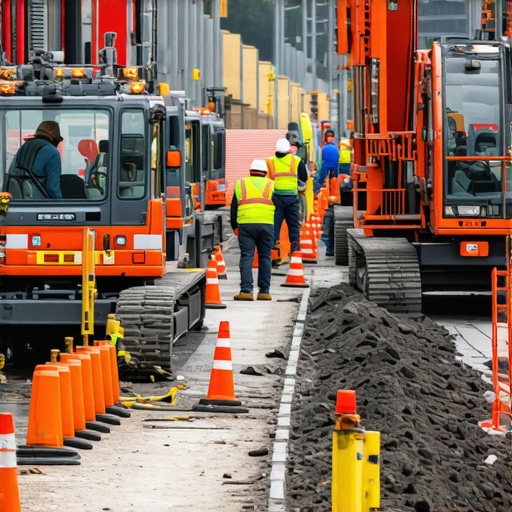
Ever had that sinking feeling when you realize you’ve just drilled into a gas line or hit a buried cable, and it’s too late to do anything about it? I remember my first project, confidently using traditional excavation methods, only to be stopped cold by a costly and dangerous mistake. That moment was a real lightbulb for me—highlighting just how critical proper site prep and accurate subsurface assessment are.
Why Safe Excavation Matters More Than Ever
Construction sites are complex, underground worlds. Without the right techniques, you risk damaging vital utilities, causing delays, and even risking lives. That’s where top vacuum excavation methods come into play. They offer a precise, non-destructive way to expose underground utilities, making site work safer and more efficient. Trust me, once I started integrating these strategies, everything changed. Not only did I reduce accidents, but I also gained a new level of confidence in my work.
Is Vacuum Excavation Really Worth the Hype?
Initially, I thought all excavation was pretty much the same—dig, expose, move on. But I made a mistake early on: I underestimated the importance of accuracy and the potential for site disruption. That oversight nearly caused a serious incident. Afterward, I learned that advanced vacuum excavation techniques, like hydro-vac and air-vac, are game-changers. They are designed to minimize risks and improve precision, especially in congested urban areas. If you’re skeptical, I get it—many believe traditional methods are enough. But the reality is, modern site services are evolving fast. If you want to stay ahead, I recommend exploring how these strategies can be integrated into your projects, perhaps starting with this guide on what vacuum excavation is.
So, have you ever faced a close call or costly mistake because of inadequate subsurface assessment? If so, you’re not alone. The good news? There are proven methods that can make your site safer and more efficient. Let’s dive into those techniques and see how they can transform your next project.
Set Up Your Site for Success
Before breaking ground, create a detailed plan that identifies all underground utilities and potential hazards. Use utility mapping and vacuum excavation to precisely locate underground lines without damaging them. This preparation acts as your roadmap, reducing surprises during excavation.
Implement Vacuum Excavation to Minimize Risks
Choose the Right Equipment
Opt for hydro-vac or air-vac systems depending on soil type and site constraints. I once used hydro-vac on a congested urban site, which allowed me to carefully expose utilities without risking damage or causing disruption. This method uses high-pressure water or air to loosen soil, then vacuum it away, providing a clean, accurate picture of subsurface conditions.
Execute with Precision
Start excavating slowly and systematically, working around identified utilities. Constantly monitor with ground-penetrating radar or electromagnetic locators to ensure accuracy. During my project, I kept a close eye on the utility lines as the vacuum system gently exposed them, avoiding costly setbacks and ensuring safety.
Utilize Daylighting for Clear Visibility
Install Boreholes Strategically
Use boreholes to create visible pathways for utilities, especially in complex or urban settings. I recommend reviewing borehole drilling techniques to optimize placement. Properly installed boreholes serve as reliable guides, making subsequent work more predictable and safe.
Perform Effective Daylighting
Expose utilities through boreholes or shallow trenches, then illuminate them with targeted lighting. This step improves accuracy and reduces the need for guesswork. During my experience, lighting revealed small, tricky connections that otherwise could have been missed, preventing future failures.
Coordinate Site Activities for Maximum Safety
Schedule excavation, utility exposure, and backfilling carefully. Use real-time data from vacuum and daylighting operations to adapt your plan. I learned the importance of communication when I coordinated these steps smoothly, avoiding delays and hazards.
Document and Review Outcomes
Record all measurements, utility locations, and site conditions. Review your process to identify improvements. This documentation saved me time on subsequent projects, as I could reference precise locations and methods used.
Integrating these core techniques—precise vacuum excavation and strategic daylighting—substantially improves safety and efficiency. For further insights on optimizing borehole strategies or enhancing site services, see this guide and these strategies.
Many professionals in construction and site services operate under misconceptions that can compromise safety, efficiency, and project outcomes. Let’s dig deeper into what most people get wrong about vacuum excavation, boreholes, daylighting, and site services, and uncover the hidden nuances that can make or break your project.
Why Conventional Wisdom About Site Services Can Be Misleading
One widespread myth is that traditional excavation methods are always sufficient. In reality, relying solely on mechanical digging without integrating vacuum excavation or utility mapping increases the risk of utility strikes and costly delays. Advanced techniques like hydro-vac or air-vac are not just trendy; they are proven to minimize site disruption and enhance precision. As noted by experts, such as those at DeepDrillPro, these methods are critical for urban environments where underground utilities are dense and complex.
Another misconception is that boreholes are only for geotechnical analysis. In truth, strategic borehole placement can serve as reliable guides for daylighting and utility exposure, reducing guesswork and increasing safety. Properly executed borehole installation, supported by optimized borehole strategies, ensures better accuracy and less risk during subsequent excavation phases.
Beware of the Oversimplification of Daylighting
Many believe that daylighting is merely excavating shallow trenches to expose utilities. This oversimplification ignores the importance of strategic borehole placement, lighting techniques, and the integration of daylighting with vacuum excavation. Proper daylighting doesn’t just improve visibility; it enhances overall site safety and allows for more controlled work. In complex urban projects, for example, expert solutions demonstrate how combining boreholes with targeted lighting can prevent accidental utility damage.
What Advanced Site Workers Know That Others Don’t
Experienced site professionals understand that the real secret lies in nuanced planning and execution. For example, they know that vacuum excavation should not be seen as a one-size-fits-all solution. Soil type, utility density, and project scope dictate whether hydro-vac or air-vac systems are optimal. Likewise, they recognize that utility mapping is not just a preliminary step but an ongoing process, especially in dynamic urban environments where utilities can shift or be added unexpectedly. Studies such as those from DeepDrillPro show that integrating these advanced methods dramatically reduces incidents and project delays.
Finally, many overlook the importance of comprehensive documentation and review. Recording utility locations, borehole data, and daylighting results creates a knowledge base that improves safety and efficiency in future projects. This practice is a subtle but powerful edge that differentiates seasoned professionals from novices.
Have you ever fallen into this trap of oversimplification or relied on outdated methods? Let me know in the comments. Embracing these hidden nuances can elevate your site services from good to exceptional, ensuring safer, faster, and more reliable project delivery.
Maintaining site services, vacuum excavation equipment, borehole installations, and daylighting setups is crucial for long-term success and safety in construction projects. As technology advances, so do the tools and methods that help us keep these systems operational and reliable. In this post, I’ll share the specific tools and techniques I personally use to ensure my site services stay efficient and dependable over time.
Invest in High-Quality Equipment and Regular Calibration
For vacuum excavation, I rely on premium hydro-vac and air-vac systems that are known for durability and precision. Regular calibration of these machines ensures they operate at peak performance, preventing downtime and ensuring safety. I also use advanced electromagnetic locators and ground-penetrating radar for utility mapping, which are essential for ongoing assessments and quick troubleshooting. These tools are invaluable for detecting shifts or damages in underground utilities that could compromise safety or cause delays.
Leverage Software for Monitoring and Scheduling
Modern site management software like vacuum excavation management platforms allows me to schedule regular maintenance and track equipment usage. These systems send alerts when calibration or service is due, helping me stay ahead of potential issues. They also provide detailed logs that are useful for audits and future planning, ensuring all equipment functions optimally over its lifespan.
Implement Routine Checks and Preventive Maintenance
Every piece of equipment, from borehole drill rigs to daylighting lighting systems, benefits from scheduled inspections. I perform pre-operation checks, including inspecting hoses, valves, and electrical connections, and replace parts proactively based on manufacturer recommendations and usage patterns. This proactive approach minimizes unexpected breakdowns and extends equipment life, ultimately saving money and reducing project delays.
Stay Informed on Industry Innovations
The field of site services is constantly evolving. For example, upcoming advancements in autonomous borehole drilling and smart utility mapping devices promise even greater reliability and efficiency. I recommend subscribing to industry updates and participating in training sessions offered by providers like DeepDrillPro to stay at the forefront of these innovations. Embracing new tools early enables you to maintain and scale your operations effectively.
How do I keep my site services functioning over time?
The key is a combination of regular maintenance, investing in the right tools, leveraging software for management, and staying informed about technological advancements. By integrating these practices, I ensure my systems remain reliable, safe, and ready to meet the demands of complex projects. Don’t forget to try implementing scheduled calibration routines and monitor your equipment’s health with smart diagnostics tools. These small steps can dramatically improve your operational efficiency and safety.
If you’re interested in taking your maintenance strategy to the next level, I highly recommend exploring advanced equipment monitoring systems and preventive maintenance schedules. Staying proactive today will save you significant headaches tomorrow.
The Hardest Lesson I Learned About Site Services
One of my biggest wake-up calls was realizing that even the most meticulous plans can fall apart without proper underground assessment. Early in my career, I trusted traditional excavation methods and paid the price when I hit a utility line. That mistake taught me the importance of investing in accurate utility mapping and advanced vacuum excavation techniques. Now, I know that no project is too small to warrant thorough subsurface evaluation, or too complex to benefit from the latest tools.
3 Myths About Site Services That Held Me Back
- Myth 1: All excavation methods are equally safe.
Reality: Traditional mechanical digging is riskier in dense urban environments where underground utilities are everywhere. Using hydro-vac or air-vac systems dramatically reduces utility strikes and site disruption. - Myth 2: Boreholes are just for geotech surveys.
Reality: Properly placed boreholes can serve as reliable guide points for daylighting, improving accuracy and safety during utility exposure. - Myth 3: Daylighting is just shallow excavation.
Reality: When combined with strategic borehole placement and lighting, daylighting becomes a powerful tool for precise, safe utility exposure.
What Experts Won’t Tell You About Site Safety
Experienced professionals understand that the devil is in the details. The most successful projects hinge on nuanced planning, such as choosing the right vacuum system based on soil conditions, and maintaining rigorous documentation of utility locations. These hidden details are often overlooked but can make or break safety and efficiency. Staying ahead means embracing continuous learning and investing in the best tools—like electromagnetic locators and real-time monitoring systems—that keep your site operations smooth and secure.
Curated Recommendations for Safer Site Work
- Optimizing Borehole Strategies: This resource helped me understand how strategic borehole placement can drastically improve daylighting accuracy.
- Advanced Site Services: A comprehensive guide on integrating vacuum excavation and utility mapping for maximum safety.
- Vacuum Excavation Explained: This article clarified how hydro and air-vac systems revolutionize underground work.
- Lighting and Borehole Solutions: My go-to source for effective daylighting techniques that ensure precise utility exposure.
Your Turn to Make a Difference
Understanding these little-known lessons and leveraging the right tools can transform your site safety and efficiency. Don’t wait for a costly mistake—start applying these insights today and see the difference firsthand. Remember, the key is continuous improvement and embracing innovative techniques that keep your underground work safe and reliable. Now, I challenge you: what’s the biggest lesson you’ve learned about underground site safety? Share your story below and let’s learn together!