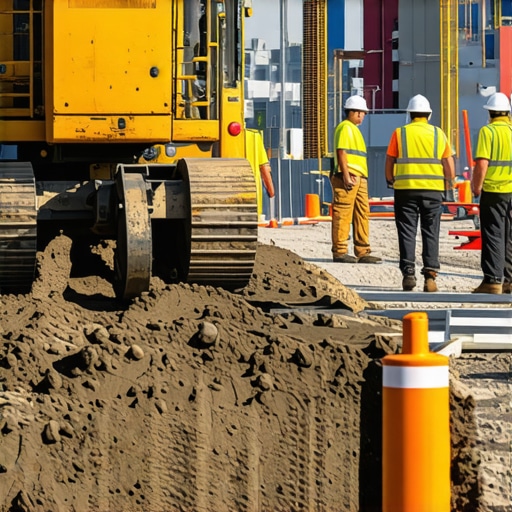
Ever had that sinking feeling when you realize you’ve just damaged a critical underground utility during excavation? I remember the first time I saw a trench collapse because I underestimated how tricky it is to locate underground lines without proper tools. It was a lightbulb moment—one that made me rethink everything about site safety. If you’re in the construction or site services game, you know this is a common story, and it’s why the right techniques matter more than ever.
Why Safe Excavation Matters More Than Ever
Construction sites are complex ecosystems. Digging without precision can lead to costly delays, accidents, and even legal issues. The good news? Modern techniques like vacuum excavation and daylighting are revolutionizing how we approach site safety and efficiency. These methods help us avoid damaging underground utilities, reduce site disruption, and keep workers safe. I’ve seen firsthand how adopting these solutions can turn a chaotic project into a smooth operation. If you’re still relying on traditional excavation, you might be leaving safety and productivity on the table. Want to learn how to change that? I’ll walk you through the game-changing benefits and practical steps to upgrade your site services.
Is Vacuum Excavation Really Worth the Hype?
Early in my career, I made a mistake that taught me a valuable lesson. I trusted conventional digging methods and ignored the benefits of vacuum excavation. The result? An accidental hit on a water line that shut down the project for days. That mistake cost me time, money, and reputation. Since then, I’ve learned that vacuum excavation isn’t just hype; it’s a proven, reliable way to enhance safety and accuracy. When used correctly, it minimizes risks and maximizes precision. Curious if it’s right for your project? Let’s explore how these innovative site services are shaping safer construction environments and how you can implement them effectively. For more insights, check out https://deepdrillpro.com/vacuum-excavation-the-key-to-accurate-subsurface-assessments and discover how expert utility mapping can make a difference.
Map Out Your Site Carefully
Start by reviewing existing utility maps and conducting a visual survey. In one project, I arrived on site and immediately realized the paper plans were outdated. I personally used a handheld utility detector to double-check underground lines before any digging commenced, preventing a costly utility strike. This step is crucial because it sets the foundation for safe excavation and avoids surprises.
Use Advanced Utility Location Methods
Leverage Vacuum Excavation for Precision
When I transitioned from traditional to vacuum excavation, I was amazed at how much safer and more accurate the process became. Vacuum excavation uses high-pressure air or water to loosen soil, then gently removes it with a vacuum, revealing underground utilities without damaging them. It’s like using a gentle hand instead of a bulldozer—reducing risk and improving accuracy. For detailed techniques, check this guide on utility mapping with vacuum excavation.
Implement Daylighting for Critical Lines
Daylighting involves exposing underground utilities by carefully excavating soil around them. I once used daylighting to verify the exact location of a gas line before installing a new sewer pipe. It’s akin to peeling back a layer of soil to see exactly what’s beneath, which dramatically reduces the chances of accidental damage. Borehole drilling plays a key role here, providing precise points to access and verify underground lines. For more on this, see borehole drilling innovations in daylighting.
Perform Borehole Testing Strategically
Before full-scale excavation, I often drilled small boreholes to gather subsurface data. This step is like taking a health check-up before surgery—providing vital info about soil conditions and utility locations. Boreholes also serve as access points for further inspection or utility insertion, making the process safer and more controlled. To master this, review expert borehole strategies.
Integrate Findings for Final Planning
Combining data from vacuum excavation, daylighting, and boreholes gives you a comprehensive picture. I remember a project where integrating these methods prevented a potential utility strike, saving days of delays. This multi-layered approach ensures you’re working with the best possible information, minimizing surprises and maximizing safety. For comprehensive site solutions, explore site service excellence and integration techniques.
Many professionals in construction and site management operate under assumptions about site services, vacuum excavation, boreholes, and daylighting that can lead to costly mistakes. Let’s dig deeper into what most people get wrong and reveal the subtle nuances that separate seasoned experts from novices.
Why Believing That All Utility Mapping Is Equal Can Be Dangerous
A widespread misconception is that any utility detection method suffices. In reality, traditional metal detectors and even basic ground-penetrating radar often miss complex underground utilities, especially in congested urban environments. Relying solely on these can result in accidental strikes, project delays, or safety hazards. Expert site services leverage advanced techniques like vacuum excavation combined with precise utility mapping, which significantly reduces risks. For a comprehensive understanding, explore this resource on utility mapping techniques.
How Misunderstanding Soil Conditions Can Lead to Catastrophes
Many think soil type is a minor detail, but misconceptions here can cause trench collapses and equipment failure. Assuming soil stability without proper borehole testing or geotechnical analysis is a common trap. Advanced borehole drilling not only exposes utilities but also provides critical soil data, informing safe excavation strategies. Remember, soil conditions vary dramatically even within short distances, and ignoring this variability can be disastrous. For more on optimizing borehole strategies, see this detailed guide.
Make Yourself Visible in the Crowd: Why Daylighting Isn’t Just About Exposing Utilities
Some assume daylighting is simply uncovering utility lines, but its true power lies in enabling precise, risk-averse operations, especially in complex projects involving urban infrastructure. Proper daylighting, supported by borehole data, ensures accuracy and safety, preventing costly damage. A common mistake is rushing into excavation without verifying the exposed lines, which can lead to surprises. Expert daylighting involves meticulous planning and integration with other site services. To master this, review this comprehensive resource.
Finally, be aware that these hidden nuances are often overlooked due to a false sense of security or outdated practices. The real experts consistently update their knowledge, invest in advanced technology, and understand the intricacies of subsurface conditions. If you want to avoid the common pitfalls and elevate your site safety, consider integrating these advanced techniques into your workflows. Have you ever fallen into this trap? Let me know in the comments.
How do I keep my site services working smoothly over time
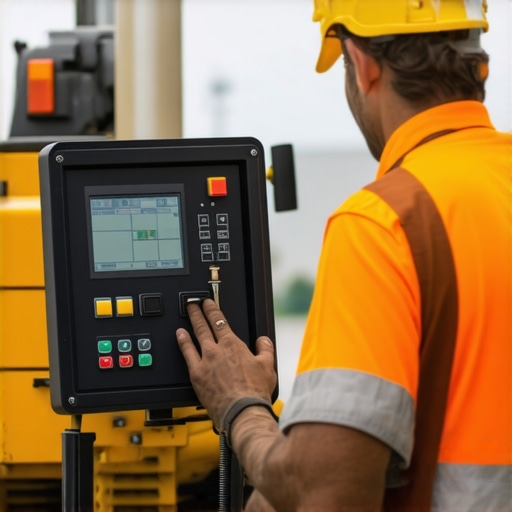
Maintaining your site services like vacuum excavation, borehole drilling, and daylighting requires a strategic approach to equipment selection, routine checks, and staying updated with technological advances. Personally, I rely on high-quality, durable equipment such as the Vermeer VAC series vacuum excavators because of their reliability and ease of maintenance. These machines are equipped with smart diagnostics that alert you to potential issues before they become costly repairs, which is crucial for minimizing downtime. Additionally, implementing a regular maintenance schedule based on manufacturer recommendations helps ensure longevity and peak performance. For example, routinely checking hydraulic systems, filters, and hoses can prevent unexpected failures during critical phases of your project. To stay ahead, I recommend subscribing to industry updates and training sessions—many suppliers now offer online modules that cover the latest in site safety and equipment care. This proactive approach not only prolongs your equipment’s life but also keeps your team safe and efficient. You can explore more about maximizing safety with advanced site services in this comprehensive guide.
What tools do I need for effective borehole and daylighting projects
For borehole drilling, I personally swear by the Ditch Witch JT20 because of its precision and durability, especially in complex urban environments. Its advanced drill bit technology ensures clean, accurate holes, which are vital for reliable utility placement and daylighting. When it comes to daylighting, I prefer using LiDAR-based utility locators integrated with GPS mapping software. These tools allow me to visualize underground utilities in real-time, significantly reducing the risk of accidental strikes. The integration of GPS and laser scanning offers a comprehensive understanding of subsurface conditions, which is essential for planning and executing safe excavation. For software, I recommend using specialized daylighting planning tools that can compile data from various sources into an actionable map. As technology advances, these tools are becoming more user-friendly and affordable, making them accessible for small and large projects alike.
What future trends should I watch for in site maintenance and tools?
Looking ahead, I predict that AI-powered diagnostics and automation will revolutionize site maintenance. Equipment integrated with IoT sensors will continuously monitor operational parameters, predict failures, and even initiate self-corrections, reducing human oversight. This shift will make maintenance more predictive than reactive, saving time and money. Additionally, advancements in drone technology are enabling aerial inspections of large sites, providing quick assessments of equipment and terrain. Staying informed about these developments and investing early in such technologies can give your projects a competitive edge. Remember, the key to long-term success is not just having the right tools but maintaining them effectively. Regular calibration, updating software, and training your team on new features are essential. For detailed insights into how site services are evolving, check out this resource and consider trialing emerging tools to see how they fit your operational needs.
The Hardest Lesson I Learned About site services, vacuum excavation, borehole, daylighting
One of the most profound lessons I’ve learned is that rushing into excavation without proper utility mapping can lead to dangerous and costly mistakes. Early in my career, I underestimated the importance of integrating multiple site service techniques, which resulted in a utility strike that set my project back weeks. That experience taught me to prioritize thorough planning and advanced detection methods, especially vacuum excavation and borehole testing, to reveal hidden underground utilities before breaking ground.
3 Myths About site services, vacuum excavation, borehole, daylighting That Held Me Back
For years, I believed that traditional methods like metal detection were enough. I also thought daylighting was just about exposing utility lines, and boreholes were only for soil sampling. These misconceptions limited my ability to work efficiently and safely. Once I started trusting integrated site services and modern tools like LiDAR locators and precision borehole drills, my projects became safer and more predictable. Real expertise comes from understanding the subtle nuances that make these techniques effective.
What Experts Won’t Tell You About site services, vacuum excavation, borehole, daylighting
Many seasoned professionals know that the true power of these methods lies in their combination. Vacuum excavation provides a gentle yet precise way to reveal utilities, while borehole testing uncovers critical soil data that guides safe excavation. Daylighting exposes underground lines visually, but only when supported by accurate data from these other techniques. The secret is in the details—careful planning, proper tools, and continuous learning. For an in-depth look at how to leverage these methods, visit this guide on utility mapping.
My Essential Toolkit for site services, vacuum excavation, borehole, daylighting
From my experience, investing in high-quality equipment like the Vermeer VAC series vacuum excavators ensures reliability and safety. I also rely on LiDAR-based utility locators integrated with GPS software for real-time underground mapping. For borehole drilling, the Ditch Witch JT20 offers precision and durability, especially in complex urban environments. These tools, combined with continuous training and maintenance, have transformed my approach to safe excavation. For detailed insights, explore this resource on daylighting benefits.
The Future of site services, vacuum excavation, borehole, daylighting
Looking ahead, I believe AI-powered diagnostics and IoT-connected equipment will become standard, enabling predictive maintenance and reducing downtime. Drones and aerial inspections will further enhance safety and efficiency, especially on large or complex sites. Staying ahead means embracing these innovations and investing in ongoing training. The key to long-term success is not just having the right tools but also understanding how to adapt them to ever-changing site conditions. To explore emerging trends, visit this article and consider early adoption of new technologies to keep your projects safe and efficient.