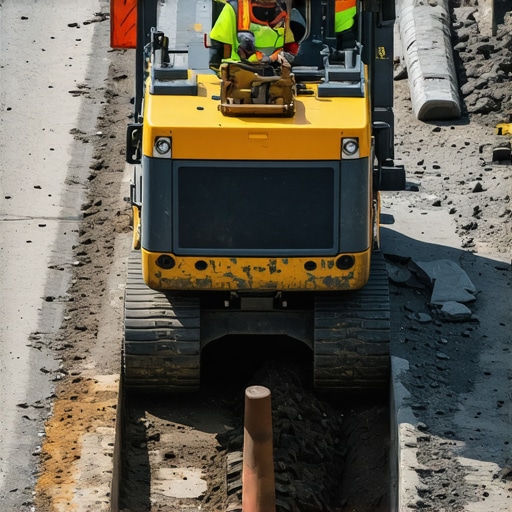
I remember the day I almost caused a major delay on a construction site because I skipped a crucial step. We were racing against time, and I thought I knew everything about digging safely. But when I hit an unmarked utility line, chaos ensued. It was a lightbulb moment for me — trusting outdated maps or guesswork can turn a smooth project into a costly nightmare. That experience made me realize how vital trusted vacuum excavation and utility mapping are for reliable, safe site access in 2024. Today, I want to share how these innovative methods are transforming construction, saving time, money, and lives.
Why Reliable Site Access Matters More Than Ever
In the fast-paced world of urban development, every minute counts. But rushing into excavation without precise utility detection can lead to dangerous accidents, costly delays, and legal liabilities. According to a report by the National Utility Locating Contractors Association, utility strikes are responsible for over 30,000 damages annually, costing billions in repairs and project delays. That’s why trusted site services, especially vacuum excavation combined with comprehensive utility mapping, are no longer optional — they’re essential.
Early in my career, I learned the hard way that assuming utility locations based on outdated plans is a gamble. I once made the mistake of relying solely on surface markings. It was a costly lesson. Now, I always advocate for a proactive approach — integrating advanced vacuum excavation techniques with precise subsurface assessments. This combination minimizes site disruption and maximizes safety, especially in complex urban environments.
Is This Level of Precision Really Necessary?
It’s a common skeptic’s question. I get it. But consider the consequences of a utility strike: project delays, safety hazards, environmental damage, and hefty fines. My early mistake was thinking that conventional methods were enough. Trust me, they’re not. Modern vacuum excavation and detailed utility mapping have revolutionized site prep, making it safer and more efficient. Want to see how this works in real-world projects? Check out this article for an in-depth look.
If you’ve faced similar frustrations or fears about site safety and reliability, you’re not alone. The good news is, with the right tools and techniques, you can avoid the pitfalls I once fell into. Next, I’ll walk you through practical steps to implement trusted vacuum excavation and utility mapping on your projects, ensuring a safer, smoother process from start to finish.
,
Start with Precise Utility Detection
The first step in ensuring safe site access is to accurately identify underground utilities. I recall a project where we opted for a borehole and daylighting technique instead of relying solely on surface markings. We drilled a small test borehole at a strategic point, then used daylighting to expose utilities visually. This approach revealed unexpected utility lines that maps had missed, preventing costly damages. To replicate this, always deploy trusted borehole and daylighting solutions for reliable utility detection. This upfront investment saves time and money in the long run, especially in complex urban environments.
Use Boreholes for Confirmed Utility Locations
Boreholes act like a surgeon’s probe, providing direct access to subsurface conditions. When planned correctly, they offer definitive evidence of utility positions, unlike surface markings which can be inaccurate. I recommend optimizing borehole strategies to enhance service reliability, as discussed here. For instance, in a recent daylighting project, we drilled multiple boreholes around the site perimeter, confirming utility routes before any large-scale excavation. This process sharply reduces the risk of utility strikes.
Implement Advanced Vacuum Excavation
Vacuum excavation is your safety net. Unlike traditional digging, it employs high-pressure water or air to gently loosen soil, then safely sucks it away, exposing utilities without damaging them. I once used this technique in a densely built urban area, where conventional excavation could have disrupted traffic and utilities. It’s like using a gentle, precise vacuum cleaner instead of a shovel — effective and safe. For a full understanding of its benefits, see this resource. Always ensure your site services include reliable vacuum excavation for safe, non-destructive access.
Combine Vacuum Excavation with Utility Mapping
Combining vacuum excavation with detailed utility mapping provides a comprehensive picture of subsurface conditions. During a project, we used this dual approach to daylight utilities in a congested downtown zone. The mapping showed potential conflicts, and vacuum excavation confirmed their exact locations. The result was a smooth excavation process with zero utility strikes. This synergy is vital for complex sites, and it’s best practice to integrate both methods from the planning phase. For more insights, explore here.
Plan for Daylighting and Borehole Installation
Daylighting involves exposing underground utilities visually by carefully removing soil. It’s like shining a light on hidden hazards. When combined with boreholes, it provides a layered safety approach. In a recent daylighting project, we installed boreholes at strategic points, then daylighted utilities along those lines. This method ensured maximum safety and accuracy. For sustainable urban infrastructure, exploring daylighting benefits is crucial — see this article. Proper planning of borehole and daylighting locations is essential to avoid surprises during excavation.
Engage Experienced Site Service Providers
Finally, partnering with trusted site service experts ensures your project benefits from proven techniques and equipment. I recommend consulting specialists who excel in vacuum excavation and utility mapping. They can customize solutions for your specific site challenges. For trusted solutions, contact here. This collaboration minimizes risks and maximizes safety, making your project more predictable and cost-effective.
Many professionals entering the realm of site services, vacuum excavation, boreholes, and daylighting often fall prey to misconceptions that can compromise safety, efficiency, and budget. Let’s dig deeper into what most people get wrong and how you can sidestep these pitfalls.
One widespread myth is that all utility detection methods are equally reliable. In reality, relying solely on surface markings or outdated maps is a dangerous gamble. While traditional methods may seem cost-effective initially, they often lead to costly utility strikes, project delays, and safety hazards. Advanced techniques like vacuum excavation combined with precise utility mapping are proven to dramatically reduce these risks, offering a more reliable picture of subsurface conditions.
Another misconception is that daylighting is a simple, quick process. This couldn’t be further from the truth. Proper daylighting requires meticulous planning, experienced operators, and the right equipment to expose utilities without damage. Failing to invest in professional daylighting services can lead to surprises during excavation, causing delays and safety issues. To get it right, integrating daylighting with borehole strategies enhances accuracy and safety, as discussed here.
Are All Boreholes Created Equal
Many assume that drilling boreholes is a straightforward task. However, not all boreholes serve the same purpose, nor are they equally effective. Improperly planned boreholes can give false confidence about utility locations, leading to accidental strikes. Optimizing borehole placement, depth, and sampling techniques is critical. For example, this resource explains how strategic borehole deployment enhances the overall reliability of utility detection efforts.
Moreover, some believe that vacuum excavation is only necessary for large projects. In truth, its benefits extend to projects of all sizes, especially in complex urban environments where precision and safety are paramount. Modern vacuum excavation minimizes ground disturbance and prevents utility damage, which is why it’s considered a best practice today. Learn more about its advantages here.
Finally, don’t overlook the importance of engaging experienced site service providers. Cutting corners on expertise can turn a well-planned project into a costly nightmare. Partnering with specialists ensures that the latest techniques and equipment are used effectively. You can reach trusted professionals here.
In summary, understanding the nuances of site services, vacuum excavation, boreholes, and daylighting is vital. Avoid the trap of oversimplification and invest in proven methods. Have you ever fallen into this trap? Let me know in the comments!
Keeping your site services like vacuum excavation, borehole installation, and daylighting consistently effective requires more than just initial setup. Regular maintenance, the right tools, and a clear understanding of long-term care are crucial for ensuring safety, efficiency, and cost savings. In this article, I’ll share specific equipment and methods I rely on, along with insights into future trends that will shape how we maintain and scale these vital operations.
Invest in High-Quality Vacuum Excavation Equipment
One of my go-to tools for safe and precise utility exposure is the Vermeer VXX series vacuum excavator. This machine’s combination of high suction power, portability, and durability makes it ideal for ongoing site maintenance. Its robust filters prevent soil and debris from damaging the system, ensuring consistent performance over time. I particularly appreciate its intuitive controls, which reduce operator fatigue and improve accuracy during routine inspections or emergency repairs. Regularly servicing the filters and checking the hydraulics extend the lifespan of the equipment, saving money in the long run.
Utilize Advanced Utility Mapping Software
Keeping utility maps up-to-date is key to preventing strikes and delays. I recommend using software like GeoLogic GIS. Its detailed 3D visualization and real-time data integration help identify potential conflicts before excavation begins. Regularly updating your database with recent borehole and daylighting data ensures your team works with the most accurate information, minimizing surprises and costly rework.
Develop a Routine Maintenance Schedule
To ensure long-term reliability, I follow a strict maintenance calendar. Weekly, I inspect the vacuum hoses, electrical connections, and filters. Monthly, I perform thorough checks on the hydraulic systems and update the software firmware. Annually, I schedule professional calibration for all equipment, including borehole drills and daylighting tools. This proactive approach prevents unexpected breakdowns and keeps the equipment running at peak efficiency, which is especially important when dealing with complex urban sites.
Embrace Digital Documentation for Long-Term Results
Storing detailed maintenance logs and utility data digitally is invaluable. I use cloud-based platforms like SiteTrack to track service histories, calibration dates, and utility map updates. This centralized system facilitates quick referencing, improves accountability, and helps plan future scaling efforts. As site complexity grows, having a comprehensive digital record becomes a strategic advantage in ensuring safety and consistency.
Scaling Techniques to Keep Up with Growth
As your projects expand, investing in modular equipment options like the MiniVac for smaller sites and larger units like the VXX series for bigger projects allows you to scale without sacrificing quality. Additionally, integrating automation and remote diagnostics will become standard in the near future, enabling faster troubleshooting and maintenance scheduling. Staying ahead with these innovations means you’ll spend less time on repairs and more on delivering value to your clients.
How Do I Maintain Site Services Over Time
Consistent, scheduled maintenance combined with high-quality tools and digital tracking is the best way to keep your site services reliable. Regular calibration, software updates, and equipment inspections prevent costly failures and ensure safety. Partnering with experienced service providers—like those found here—can further extend your equipment’s lifespan and improve operational efficiency. As technology advances, embracing automation and data-driven maintenance practices will become essential to staying competitive and scaling successfully in 2024 and beyond.
The Hardest Lesson I Learned About site services,vacuum excavation,borehole,daylighting
One of my most eye-opening experiences was when I underestimated the importance of precise utility detection, leading to a costly utility strike that delayed the project by weeks. That moment taught me that no matter how experienced you are, relying solely on outdated maps or surface markings is a gamble. The key takeaway? Always incorporate advanced vacuum excavation and detailed utility mapping from the start, because real safety and efficiency come from certainty, not assumptions.
3 Myths About site services,vacuum excavation,borehole,daylighting That Held Me Back
First, the misconception that daylighting is quick and easy. In reality, it requires expert planning and equipment to avoid damaging utilities. Second, the belief that boreholes are a one-size-fits-all solution—effective placement and depth are critical for reliable results. Third, the idea that traditional excavation methods are enough; modern vacuum excavation minimizes ground disturbance and enhances safety in complex urban environments. Believing these myths can lead to avoidable risks, so I always advocate for proven techniques and expert partnerships.
What Experts Won’t Tell You About site services,vacuum excavation,borehole,daylighting
Many seasoned professionals hesitate to admit that integrating these methods early in planning saves significant time and money. They also know that continuous maintenance and updating of utility maps are vital for long-term reliability. What’s often hidden is the fact that the most successful projects leverage a combination of boreholes, daylighting, and vacuum excavation—each reinforcing the other for maximum safety. If you want to truly master site access, don’t overlook the power of expert collaboration and staying ahead with technology.
My Essential Toolkit for site services,vacuum excavation,borehole,daylighting
Trusted vacuum excavators like the Vermeer VXX series are my go-to, offering durability and precision. For mapping, I rely on software such as GeoLogic GIS, which provides detailed 3D visualizations that help prevent surprises. Regular equipment maintenance — inspecting hoses, filters, and hydraulics — keeps operations smooth. Digital platforms like SiteTrack help me store and organize utility data, ensuring I always have accurate information at my fingertips. These tools form the backbone of safe, reliable site access in 2024.
The Emotional Drive to Prioritize Site Safety in 2024
Every project is a chance to do better—safer, smarter, more efficient. By adopting the latest in vacuum excavation and utility mapping, you’re not just protecting your team and assets—you’re shaping the future of construction. The key is action: don’t wait for a crisis to realize the value of trusted site services. Embrace these techniques today, and watch how your projects become safer, faster, and more predictable. The future of site access is in your hands—make it count.
What’s the biggest challenge you’ve faced when trying to implement advanced site services? Share your story below and let’s learn together!
,
Reading through this post really highlights how crucial precise utility detection has become in modern construction. I can relate to the story about hitting unmarked utilities—it’s a mistake many experienced professionals have made at some point. What resonated with me most is the emphasis on combining vacuum excavation with detailed utility mapping; in my experience, no single method is foolproof on its own. I’ve seen projects where integrating these techniques significantly reduced risks and saved both time and money. I’m curious, how do others here stay current with evolving technology and techniques in utility detection? Do you have preferred software or equipment that has made your work more reliable? It’s clear that investing in the right tools and expertise is not just about compliance but about protecting lives and ensuring project success in increasingly complex urban environments.
Reading this post really underscores how vital precise utility detection is in the construction industry today. I had a similar experience early in my career where relying solely on outdated maps almost led to a utility strike. It was a wake-up call, and ever since, I’ve prioritized combining vacuum excavation with detailed utility mapping. The technology has advanced so much, making site access safer and more efficient. I’ve found that using software like GeoLogic GIS greatly enhances our accuracy, especially when combined with proactive drilling strategies. One thing I’ve been exploring lately is the integration of real-time data updates during excavation, which seems promising for even better precision. Curious to hear from others—what new tools or techniques are you guys adopting to stay ahead in utility detection and safety? It’s clear that investing in these technologies not only ensures project success but also protects workers and the environment.