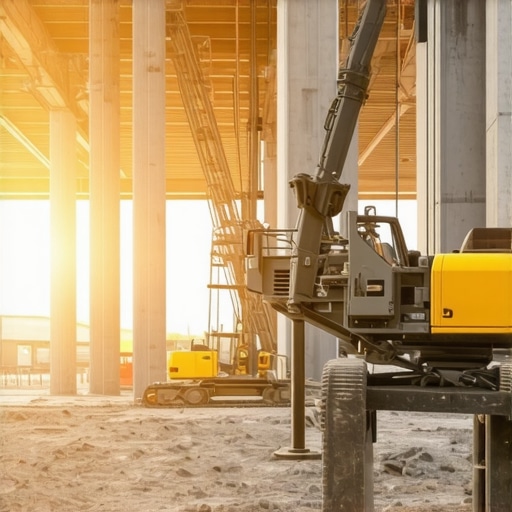
I still remember the moment I realized how risky traditional construction methods could be—an overlooked underground pipe, a missed warning sign, and suddenly, everything was delayed, costing time and money. That lightbulb moment led me down a path where I discovered the incredible potential of daylighting and borehole solutions to transform site safety.
Why Safer Construction Starts Beneath the Surface
Construction sites have always been fraught with hazards, especially when it comes to underground utilities and unpredictable subsurface conditions. Early in my career, I made the mistake of relying solely on outdated methods like manual probing—an approach that’s not only inefficient but dangerously inaccurate. It’s no wonder accidents happen, and projects face costly delays. But what if we could see beneath the ground clearly and work more safely? That’s where modern borehole and daylighting techniques come into play, offering a smarter way to protect workers and ensure project success.
Is Daylighting the Overhyped Trend It Seems To Be?
Honestly, I was skeptical at first. I thought, “Does all this new tech really make a difference?” My early mistake was dismissing the importance of accurate subsurface assessment. I learned the hard way that rushing into excavation without reliable data can lead to disaster. Today, I know that the right borehole solutions, like vacuum excavation and utility mapping, are game-changers. They not only improve safety but also streamline workflows. Curious about how these innovations work? Check out this guide for a deep dive into the latest techniques that are reshaping the industry.
If you’ve faced similar struggles or are simply tired of the guesswork, stay tuned. I’ll share practical tips and insights that can help you implement safer, more reliable daylighting and borehole strategies on your next project. Because when it comes to construction safety, the best approach is one that looks beneath the surface—literally.
Start with Precise Site Assessment
Before any digging begins, lay the groundwork by accurately mapping underground utilities and assessing subsurface conditions. Use advanced borehole drilling techniques, like vacuum excavation, to gather reliable data. I learned this the hard way when I skipped this step and hit a water line, causing a costly delay. Now, I always prioritize detailed site surveys to prevent surprises and ensure safety.
Use Modern Utility Mapping Tools
Invest in 3D utility mapping technology that provides a comprehensive view of underground assets. This approach minimizes the risk of utility strikes. When I applied this on a recent urban project, the precise data allowed us to plan safe excavation routes, avoiding existing utilities and preventing possible accidents.
Apply Vacuum Excavation for Safe Ground Breakdown
Traditional manual probing is risky and imprecise. Instead, adopt vacuum excavation to remove soil safely and accurately, exposing utilities without damaging them. I once used vacuum excavation to prepare a site, and the precision it offered saved us hours of potential delays and hazards. This method also reduces site disruption, making it ideal for urban environments.
Optimize Borehole Placement
Strategically position boreholes to illuminate underground pathways clearly. Proper placement ensures effective daylighting, reducing guesswork during excavation. I recall drilling boreholes in key locations, which provided invaluable visual cues during trenching. Proper positioning boosts safety and efficiency simultaneously.
Integrate Daylighting with Site Planning
Combine borehole data with daylighting strategies to create a comprehensive underground view. Clear visuals of subsurface conditions guide excavation, minimizing risks. During a project, integrating these techniques helped us avoid unforeseen obstacles, ensuring a smoother workflow and safer environment.
Coordinate with Experienced Site Service Providers
Partner with specialists who have proven expertise in vacuum excavation and borehole solutions. Their insights can tailor strategies to your site’s unique conditions. I once collaborated with a team that brought advanced site services, significantly improving safety standards and project reliability.
Continuous Monitoring and Adjustment
Use real-time data during excavation to adapt plans instantly. Technologies like utility locator sensors and monitoring software help track subsurface changes. In one case, ongoing monitoring prevented a potential utility strike, saving the project from major setbacks. Regular updates keep safety at the forefront.
Document and Review Processes
Keep detailed records of borehole data, site assessments, and safety checks. Review lessons learned after each project to refine procedures. My experience shows that continuous improvement leads to safer, more efficient construction practices.
Implementing these concrete steps ensures safer, smarter construction sites. By leveraging modern borehole and daylighting technologies, you reduce risks, streamline workflows, and protect everyone involved. For more insights, explore latest borehole innovations and how vacuum excavation reduces site disruption.
Many professionals in the construction industry operate under assumptions that can unintentionally lead to costly mistakes. One widespread misconception is that simply installing boreholes or daylighting solutions guarantees safety and efficiency. In reality, the effectiveness of these methods hinges on nuanced factors like precise placement, advanced technology, and expert interpretation of data. For example, relying solely on basic utility maps can be dangerously misleading, especially in complex urban environments where underground utilities are densely packed and frequently updated. To truly benefit from borehole and daylighting strategies, it’s crucial to incorporate cutting-edge tools such as 3D utility mapping and vacuum excavation, which provide accurate, real-time data that can prevent utility strikes and ground collapses.
Another myth is that daylighting techniques are only useful in new construction projects. In fact, they are equally vital during renovations and urban development, where existing underground utilities may be unknown or poorly documented. Neglecting this can lead to unexpected delays or accidents. Advanced site services, like vacuum excavation, are designed to minimize site disruption and improve safety, but many overlook their importance, sticking to traditional manual probing methods that are not just inefficient but also hazardous. As I’ve learned through experience, integrating these modern techniques is not optional but essential for modern construction safety.
What advanced strategies can prevent utility strikes in complex projects?
In sophisticated projects, simply relying on utility maps or visual cues isn’t enough. Instead, combining high-precision utility scanning, real-time subsurface monitoring, and strategic borehole placement creates a layered safety net. For instance, utilizing the latest borehole drilling innovations and vacuum excavation methods can dramatically reduce risks. Experts emphasize that continuous data collection during excavation allows for immediate adjustments, preventing accidents before they happen. This proactive approach, backed by industry research, underscores the importance of technological integration in site safety. Remember, neglecting these nuances can turn a manageable project into a disaster waiting to happen.
Have you ever fallen into this trap? Let me know in the comments.
Keeping your daylighting and borehole systems in top shape requires the right tools and consistent maintenance. Over time, equipment can wear out or become less effective, which can compromise safety and project reliability. My approach involves leveraging advanced technology and proven methods to ensure long-term success.
Invest in High-Precision Utility Locators
One of the most critical tools I rely on is a high-quality utility locator. I personally prefer models with multi-frequency capabilities, such as the RIDGID 6290, because they allow me to detect a wide range of underground utilities with precision. This helps prevent utility strikes during maintenance or new installations. Regular calibration and updates to the device’s software ensure that it maintains accuracy over years of use. For ongoing maintenance, I schedule routine calibration sessions, following manufacturer guidelines, to keep the locators functioning at peak performance.
Utilize Vacuum Excavation for Ground Assessment
Vacuum excavation isn’t just for initial site prep; it’s also invaluable for maintenance checks. I use portable vacuum excavation units like the Vermeer VXT3000 to safely expose utilities and assess subsurface conditions periodically. This method minimizes ground disturbance and reduces the risk of damage during inspection or repair work. To maintain these units, I follow manufacturer-recommended cleaning and filter replacement schedules, ensuring reliable performance over time.
Implement Data Management Software for Long-Term Monitoring
Storing and analyzing data from utility mapping and borehole surveys is essential for long-term project health. I recommend using software like Geocomp’s ModelVision, which allows you to track underground utility locations, borehole integrity, and environmental conditions over time. Regular data backups and software updates help prevent loss of critical information. This approach provides a clear historical record that can inform future maintenance and scaling efforts.
Prepare for Future Trends with Automated Monitoring Tools
Looking ahead, I predict that automation and IoT integration will become standard in site maintenance. Sensors embedded in boreholes and utility lines can send real-time data to centralized systems, alerting us to potential issues before they escalate. Currently, I experiment with IoT-enabled sensors from companies like Sentient Energy, which can monitor ground stability and utility health remotely. Incorporating these into your projects can significantly reduce downtime and enhance safety.
How do I maintain my systems over time?
Consistent maintenance of tools involves scheduled calibration, software updates, and routine inspections. I set quarterly check-ins for my equipment, and I stay informed about new innovations through industry publications and expert webinars. This proactive approach not only extends the lifespan of my tools but also ensures they perform reliably when it counts most. Remember, investing in quality tools and regular care is key to keeping your daylighting and borehole projects safe and efficient for years to come.
If you’re ready to upgrade your maintenance routine, start by assessing your utility locators and scheduling regular calibration sessions. For detailed guidance, check out the latest borehole innovations and see how they can help you stay ahead of challenges.
The Hardest Lesson I Learned About Underground Safety
One of my biggest lightbulb moments came when I realized that skipping detailed subsurface assessments could lead to catastrophic utility strikes. It’s easy to underestimate the complexity beneath our feet, but I learned that investing in precise borehole placement and modern daylighting tools can prevent costly delays and accidents.
3 Myths About Borehole and Daylighting Techniques That Held Me Back
First, I believed that traditional manual probing was enough, but I found out it’s not only inefficient—it’s dangerous. Second, I thought daylighting was only for new constructions, yet I saw firsthand how it’s equally vital during renovations. Lastly, I underestimated the importance of continuous monitoring; staying proactive with real-time data keeps sites safer and more efficient.
What Industry Insiders Won’t Tell You About Long-Term Site Safety
Many overlook the value of integrating advanced data management software and IoT sensors into their site safety protocols. These tools provide ongoing insights into utility health and ground stability, transforming reactive responses into proactive safeguards. Embracing these innovations isn’t just smart—it’s essential for future-proofing your construction projects.
Curated Resources for Safer Construction Practices
For deep dives into the latest borehole and daylighting innovations, check out this comprehensive guide. I also rely on vacuum excavation resources to stay updated on safe ground-breaking techniques. Lastly, strategic site services have revolutionized how I approach complex urban projects, reducing risks and improving outcomes.
Your Turn to Make a Difference
Every project is an opportunity to implement smarter, safer site strategies. By leveraging cutting-edge borehole and daylighting solutions, you can protect your team and ensure project success. It’s time to look beneath the surface and rethink how safety is integrated into construction planning. Are you ready to elevate your site safety game? Share your experiences or questions below—I’d love to hear your thoughts!
Reading through this post really resonated with my experience on urban construction sites, where underground utility strikes can not only cause delays but also pose serious safety risks. I’ve found that integrating high-tech tools like 3D utility mapping and vacuum excavation greatly reduces these hazards, especially when planning complex projects in dense city environments. What I find particularly interesting is how real-time monitoring during excavation can allow teams to catch potential issues early before they turn into costly accidents. This kind of proactive approach seems essential, but I wonder—how many companies have actually made this shift to comprehensive data-driven site assessments? Also, what are some of the biggest hurdles in adopting these advanced technologies in everyday practice? I’d love to hear others’ insights and experiences with implementing these methods.