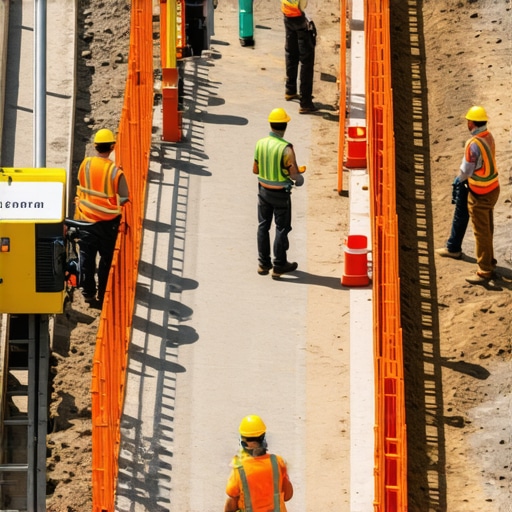
I remember the moment clearly. I was on a busy construction site, trying to locate underground utilities with traditional methods, when suddenly, I nicked a pipe. The chaos that followed was a stark wake-up call. It was a lightbulb moment — I realized that the old ways of excavation just weren’t cutting it anymore, especially when safety and precision are non-negotiable. That incident made me dive deep into modern solutions, and what I found was eye-opening.
Why the Shift to Advanced Site Services Is Critical Now
In 2024, the construction and utility industries face more complex challenges than ever. Urban environments are dense, underground infrastructure is intricate, and the risks of damaging existing utilities are higher. According to a recent study, underground utility strikes happen approximately every six minutes in the U.S., often leading to costly delays, injuries, or even fatalities (source). That’s why embracing trusted vacuum excavation and utility mapping isn’t just a trend — it’s a necessity. These technologies allow us to precisely locate underground assets without the destructive impact of traditional digging, making sites safer and more efficient.
From my experience, the biggest mistake early in my career was ignoring the importance of reliable site services. I relied on outdated methods, which often led to guesswork and near misses. It’s easy to fall into that trap, especially when budget and time are tight. But as I learned, investing in advanced solutions like trusted vacuum excavation and detailed utility mapping can save you from costly setbacks down the line.
Is the Hype Around New Technologies Justified?
It’s natural to be skeptical. After all, new tech can seem like an unnecessary expense or a gimmick. But I’ve seen firsthand how these innovations dramatically improve safety and project reliability. When I first started, I made the mistake of thinking that traditional methods were enough. Now I know better. Proper site planning with effective borehole strategies and daylighting solutions has revolutionized my approach (more on borehole strategies). If you’ve faced similar doubts or fears about investing in these technologies, you’re not alone. But trust me — the peace of mind and safety benefits are worth every penny.
So, are you ready to ditch guesswork and embrace smarter, safer site access methods? Let’s explore how trusted vacuum excavation and utility mapping can transform your projects, ensuring safety, accuracy, and efficiency every step of the way.
Prepare Your Site with Precision
Start by conducting a thorough survey using advanced utility mapping tools. This process involves deploying electronic locators and ground-penetrating radar to identify underground utilities accurately. I recall a project where we used a combination of these methods to map complex urban infrastructure, preventing costly strikes. For best results, consider integrating borehole installation tips for seamless daylighting (more here).
Choose the Right Equipment and Techniques
Opt for trusted vacuum excavation equipment. Unlike traditional methods, vacuum excavation reduces site disruption and enhances safety. When I first adopted this tech, I saw a dramatic decrease in accidental utility damage. Focus on selecting machines capable of precise soil removal to avoid damaging underground assets. For detailed guidance, review effective vacuum excavation site services (here).
Implement Strategic Borehole and Daylighting Strategies
Plan borehole placements carefully to optimize daylighting benefits. Use detailed site plans and borehole strategies to ensure accurate subsurface assessments. I once faced a challenge where poor borehole placement led to ambiguous utility locations, delaying the project. To prevent this, leverage expert borehole and daylighting solutions (see tips here). This approach provides clear visual evidence of underground utilities, reducing guesswork.
Integrate Daylighting for Better Visualization
Daylighting involves exposing utilities visually, which significantly improves safety and accuracy. Use borehole lighting solutions that illuminate underground assets for easy inspection and mapping. I recommend exploring daylighting benefits for sustainable urban infrastructure (more info) to maximize project reliability. Proper lighting also facilitates ongoing maintenance and future expansions.
Coordinate and Document Everything
Maintain comprehensive records of utility locations and borehole data. Use digital tools to document the exact positions, depths, and conditions of underground utilities. During a recent project, meticulous documentation prevented accidental strikes during subsequent excavations. This step is crucial for ensuring safety and meeting regulatory requirements. For guidance on site service excellence, see trusted site services (here).
Review and Adjust as Needed
Constantly review site data and adjust excavation plans accordingly. Technologies like real-time utility detection can alert you to unexpected underground features. My team once encountered an unforeseen utility line, and quick adaptation prevented a major incident. Embrace flexible strategies and leverage expert solutions for safe, reliable project execution (learn more).
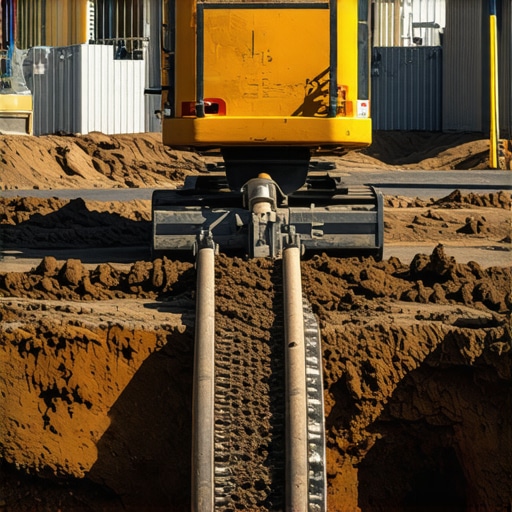
Many professionals in construction and utility projects operate under the assumption that selecting popular or traditional site services guarantees safety and efficiency. However, this often leads to overlooked nuances that can significantly impact project outcomes. Let’s dig deeper into what most people get wrong about advanced site services like vacuum excavation and utility mapping.
Why Overconfidence in Basic Methods Can Be a Dangerous Trap
It’s tempting to rely on familiar techniques, especially when they seem cost-effective or straightforward. Yet, these methods often fall short in complex urban environments where underground infrastructure is dense and unpredictable. For example, traditional excavation without precise utility mapping can cause costly utility strikes, injuries, or project delays. My experience shows that overconfidence in basic methods is a common mistake, and investing in technology such as vacuum excavation and detailed mapping dramatically reduces these risks.
Common Myth: All Utility Mapping Is Created Equal
A widespread misconception is that any utility mapping technology provides the same level of accuracy. In reality, not all tools are equal, and choosing subpar equipment or methods can lead to false positives or missed utilities. This misconception can result in dangerous guesswork. To avoid this, prioritize proven techniques like ground-penetrating radar and electromagnetic locators, integrated with borehole strategies for enhanced service reliability. Remember, accurate data is the foundation of safe excavation.
Are We Properly Training Our Teams for Advanced Site Technologies?
Even with the best equipment, improper training remains a hidden risk. Many projects underestimate the importance of skilled operators who understand the nuances of vacuum excavation and daylighting techniques. Without proper training, equipment can be misused, leading to utility damage or incomplete assessments. This is a crucial point that often gets overlooked in project planning. Ensuring your team is trained with up-to-date best practices, such as comprehensive borehole installation tips, can make the difference between success and costly setbacks. For more insights, visit borehole installation tips.
Have you ever fallen into this trap? Let me know in the comments. The key takeaway is that embracing advanced site services requires more than just equipment — it demands knowledge, proper planning, and a willingness to challenge assumptions. By understanding these hidden nuances, you can significantly improve safety, efficiency, and project reliability.
How do I maintain site services over time?
Maintaining reliable site services like vacuum excavation and utility mapping requires a strategic combination of regular equipment checks, software updates, and ongoing training. I personally recommend establishing a routine maintenance schedule for your vacuum excavation units, which includes inspecting hoses, filters, and pumps daily before use. This proactive approach prevents unexpected breakdowns and ensures your equipment performs optimally for each project. Additionally, keep your software and digital mapping tools updated to benefit from the latest features and security patches, which are crucial in an era where digital accuracy can make or break a project (more on vacuum excavation).
One often overlooked aspect is training. Continually investing in your team’s education on the latest techniques and technologies ensures that best practices are followed consistently. For example, I personally schedule quarterly training sessions focused on borehole installation tips and daylighting strategies, which helps my team stay sharp and avoid costly mistakes. Remember, technology evolves rapidly, and staying updated is key to maintaining the integrity of your site services over the long haul.
What tools do I recommend for long-term site service maintenance?
For equipment, I swear by high-quality vacuum excavation machines from trusted brands like Ditch Witch or Vac-Tron. These models are durable and designed for minimal downtime, which is essential for maintaining reliable service. Regularly replacing consumables such as filters and hoses, based on manufacturer recommendations, keeps the units running smoothly. For software, GIS (Geographic Information Systems) platforms like ArcGIS or QGIS have proven invaluable for accurate utility mapping, especially when integrated with real-time data collection tools (see more about site services). These tools help in tracking asset locations and planning boreholes effectively, reducing the chances of utility strikes.
Moreover, investing in portable lighting solutions for daylighting and borehole visualization enhances safety and accuracy during inspections. LED-based daylighting lights with adjustable intensity are my go-to because they provide clear visibility without adding significant weight to equipment. To stay ahead, I also utilize digital maintenance logs and asset management software, which record service histories and alert me when parts are due for replacement, ensuring nothing slips through the cracks.
Future of tools and maintenance in site services
Looking ahead, I believe the integration of IoT (Internet of Things) sensors into equipment will revolutionize maintenance routines. These sensors can monitor equipment health in real time, predict failures before they happen, and even automate maintenance requests. As these innovations become more affordable, adopting them will be essential for any operation aiming for long-term reliability and safety. I encourage you to try implementing a predictive maintenance system for your vacuum excavation units — it’s a game changer.
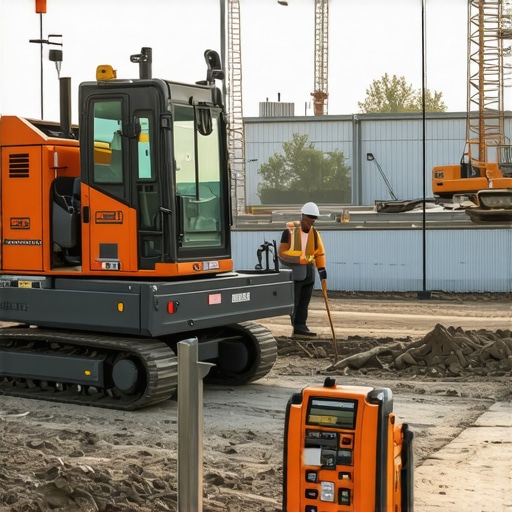
Proper maintenance and the right tools are the backbone of reliable site services. Regular checks, quality equipment, and continuous training ensure your operations run smoothly and safely, even as technology evolves. Don’t wait for a breakdown — start your maintenance routine today and stay ahead of the curve.
The Hardest Lesson I Learned About Site Safety and Precision
One of my biggest lightbulb moments was realizing that relying solely on traditional excavation methods was a gamble—especially in the complex urban underground maze. Early on, I dismissed the importance of detailed utility mapping, which led to costly utility strikes and safety hazards. The key lesson? Never underestimate the power of precise, modern site services like vacuum excavation and comprehensive borehole strategies. These tools aren’t just upgrades; they’re essential safeguards that save time, money, and lives.
3 Myths About Site Services That Held Me Back
First, the misconception that all utility mapping tools are created equal. Not true—using inaccurate data can lead to guesswork that endangers workers and delays projects. Second, the myth that vacuum excavation is too expensive or slow; in reality, it’s one of the safest and most efficient methods for underground asset detection. Third, many overlook the importance of ongoing team training—skilled operators are the backbone of successful, safe site projects. Challenging these myths transformed my approach and improved outcomes across the board.
What Experts Won’t Tell You About Long-Term Site Maintenance
Most professionals focus on the immediate project, but neglecting regular maintenance of equipment and digital tools can cause long-term issues. I’ve learned that establishing routine checks, software updates, and continuous training keeps site services reliable and safe over time. Implementing IoT sensors for predictive maintenance is a game changer—monitoring equipment health in real time prevents breakdowns before they happen. Staying ahead with these strategies ensures your site remains safe and efficient long after the initial excavation.
My Essential Toolkit for Safer, Smarter Excavation
For precise utility detection, I trust ground-penetrating radar (GPR) combined with electromagnetic locators—these provide accurate, real-time data that’s vital for planning. When it comes to vacuum excavation, machines from brands like Vac-Tron are my go-to—they’re durable and deliver consistent results. I also rely on GIS platforms such as ArcGIS for mapping and planning, ensuring every borehole and daylighting effort is optimized. Finally, portable LED lighting for daylighting makes underground utilities visible and safe to inspect—never underestimate the power of good illumination.
Your Turn to Make a Difference
If you’re still relying on guesswork or outdated methods, it’s time for a change. Embrace advanced site services, invest in proper training, and prioritize safety. The future of excavation isn’t just faster—it’s safer and more reliable. Remember, the right tools and strategies make all the difference in protecting your team and project integrity. Are you ready to upgrade your site services for 2024? Let me know below how you plan to improve safety and efficiency in your next project.