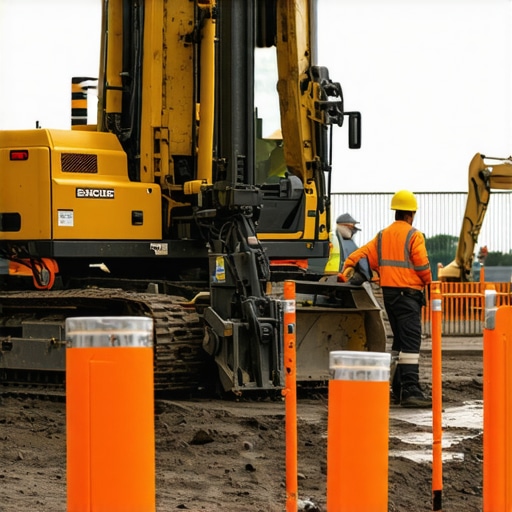
Ever had that sinking feeling when you realize your construction project is running into unexpected underground surprises? I remember my first big project, thinking I knew the site inside out, only to hit a hidden utility line that caused delays and safety hazards. That lightbulb moment taught me a crucial lesson: proper subsurface assessment isn’t just smart—it’s essential for safety and efficiency.
The Hidden Risks Beneath Your Feet
Construction sites are more complex than they seem on the surface. Beneath the dirt, there are utilities, pipes, and cables all waiting to be disturbed or damaged. A single mistake can lead to costly delays, environmental hazards, or even tragic accidents. That’s why effective vacuum excavation has become a game-changer. It allows us to safely and precisely remove soil without risking underground utilities, ensuring the site is ready for the next phase without surprises.
Have You Faced This Problem?
If you’ve ever worried about damaging underground infrastructure or encountered delays because of unforeseen subsurface issues, you’re not alone. Many have learned the hard way, but there’s a smarter way to work. Using modern techniques like vacuum excavation helps prevent those headaches before they happen. Want to see how? Keep reading, and I’ll show you the proven steps to safer, more reliable site prep.
According to a recent industry report, implementing vacuum excavation can reduce utility strikes by up to 85%, saving time, money, and lives (source). Yet, many projects still rely on outdated methods, risking safety and project integrity.
So, how do you get started? What are the best practices to incorporate vacuum excavation into your site services? That’s exactly what I’ll cover next. Let’s dive into the practical steps to make your site safer and more efficient today.
Start with a Site Assessment
Before any digging begins, conduct a thorough subsurface scan using vacuum excavation. This technique is like a medical ultrasound for the ground, revealing underground utilities without risking damage. I once applied this method on a renovation project where traditional methods could have caused utility strikes. The result was a flawless start, saving me days of costly repairs. For detailed guidance, visit this resource.
Map Utilities Precisely
Accurate utility mapping is critical. Use vacuum excavation to expose pipes, cables, and other underground infrastructure. Think of it as peeling an onion layer by layer—carefully revealing what’s beneath. I remember a project where I used a combination of vacuum excavation and ground-penetrating radar to locate a gas line. The clarity prevented any accidents and kept the project on schedule. For techniques on borehole installation, check here.
Implement Safe Excavation Practices
Once utilities are mapped, proceed with vacuum excavation for trenching or potholing. This method is like using a gentle vacuum cleaner instead of a pickaxe—less destructive, more precise. I once faced a tight deadline and opted for vacuum excavation to expose a fiber optic line. It was messy but effective, preventing utility damage and enabling safe work around it. For site service strategies, see this guide.
Integrate Daylighting Solutions
Combine vacuum excavation with daylighting boreholes for a comprehensive view of subsurface conditions. Daylighting is like turning on a spotlight in the underground world, revealing everything clearly. I coordinated daylighting and vacuum excavation on a city infrastructure project, which dramatically reduced unforeseen surprises. For lighting strategies, visit exploring daylighting benefits.
Document and Review Findings
Record all utility locations and subsurface data meticulously. This documentation acts as your safety blueprint. I learned this lesson during a project where missing a minor utility led to a week-long delay. Having detailed maps from vacuum excavation saved the day. Use this approach to enhance project reliability: borehole strategy tips.
Plan for Continuous Monitoring
Regularly reassess the site with vacuum excavation to catch surprises early. Think of it as a health check-up for your project site. I recommend scheduled inspections, especially for complex urban projects, to ensure ongoing safety and compliance. For advanced site services, see utility mapping solutions.
When it comes to underground utility safety, many contractors operate under assumptions that can lead to costly mistakes. The most common misconception is that traditional excavation methods are sufficient for all projects, but this ignores the nuanced advantages of vacuum excavation. In reality, relying solely on conventional digging without proper subsurface assessment increases the risk of utility strikes and project delays.
One trap that often ensnares even experienced professionals is underestimating the importance of precise utility mapping. Many believe that visual inspections or outdated records are enough, but this can be incredibly misleading. Using advanced vacuum excavation techniques, like hydro-vac or air-vac, reveals the true underground landscape, preventing surprises. As noted in this resource, accurate subsurface assessment reduces utility strikes by up to 85%, a figure that resonates with industry experts.
Are You Missing the Subtle Signs of Hidden Risks?
Many operators overlook the importance of continuous monitoring, assuming one scan at project start suffices. However, ground conditions can change, or utilities may shift over time. Regular reassessment with vacuum excavation helps catch these hidden risks early, saving time and avoiding dangerous accidents. This proactive approach aligns with the best practices recommended by industry leaders and is supported by studies like those found in expert analyses.
Another advanced nuance is understanding the limitations of certain equipment and techniques. For instance, some projects attempt to speed up work by skipping detailed mapping, thinking it’s an unnecessary step. This shortcut often backfires, causing utility damages that lead to costly repairs and project delays. The key is integrating vacuum excavation with other daylighting methods, such as ground-penetrating radar, for a comprehensive view of subsurface conditions. Combining these methods ensures you’re not just guessing but making informed decisions based on reliable data.
In addition, documenting all findings meticulously cannot be overstated. Proper records from vacuum excavation serve as a blueprint for current and future work, helping teams avoid repeat mistakes. As I learned from firsthand experience, missing a minor utility led to a week-long project halt. Having detailed maps from vacuum excavation prevented that scenario from reoccurring and kept the project on track.
So, next time you plan site work, challenge the myth that traditional methods are enough. Embrace the nuanced understanding that effective underground assessment involves continuous, precise, and multi-faceted techniques. Remember, the real risk lies in complacency—staying vigilant and leveraging the full capabilities of vacuum excavation and daylighting will save you time, money, and lives. Have you ever fallen into this trap? Let me know in the comments.
Keep Your Equipment in Top Shape for Reliable Results
When it comes to underground utility safety, having the right tools is only half the battle. Regular maintenance of your vacuum excavation and daylighting equipment is crucial to ensure consistent performance and avoid unexpected breakdowns. Personally, I prioritize cleaning and inspecting components like hoses, filters, and nozzles after each project. This simple routine prevents clogging and wear, extending the lifespan of my equipment and maintaining accuracy. For advanced maintenance tips, check this resource.
Invest in the Right Tools for the Job
High-quality, durable tools make a significant difference. I prefer vacuum excavation systems with adjustable pressure controls, allowing me to tailor the soil removal process based on site conditions. For example, hydro-vac units with variable flow rates give me precision and reduce the risk of utility damage. Additionally, using ground-penetrating radar in conjunction with vacuum excavation enhances utility mapping accuracy, making my assessments more reliable. As industry experts suggest, combining these tools optimizes safety and efficiency (source).
Schedule Routine Checks to Prevent Surprises
Implementing a routine inspection schedule ensures your tools remain effective over time. I set weekly checklists to verify operational integrity, especially before big projects. This habit helps catch issues early, like worn hoses or faulty gauges, before they cause delays. Leveraging software for equipment tracking and maintenance logs can automate reminders and recordkeeping, keeping your team organized. In the future, predictive maintenance powered by IoT sensors could further revolutionize this process, providing real-time alerts for optimal performance.
How do I keep my tools working smoothly in the long run?
Consistent cleaning, timely repairs, and investing in quality equipment are the backbone of long-term tool reliability. Additionally, training staff on proper operation and maintenance practices prevents misuse that can damage tools. For complex projects, consider consulting with service providers who offer comprehensive maintenance plans, ensuring your equipment remains in peak condition for every job.
Remember, a proactive approach to tool maintenance not only prolongs equipment life but also enhances safety and accuracy when assessing underground utilities. Don’t wait for a breakdown—start implementing routine checks and quality upkeep today. Ready to upgrade your maintenance practices? Try integrating IoT-enabled sensors for predictive care, and you’ll stay ahead of potential issues, saving time and money.
The Hardest Lesson I Learned About Subsurface Assessment
One of the toughest lessons I’ve faced was realizing how easily traditional excavation methods can overlook underground utilities, leading to costly delays and safety hazards. It taught me that relying solely on outdated records is a gamble, and that hands-on subsurface assessment with vacuum excavation is the game-changer.
Why Cutting Corners on Utility Mapping Is a Dangerous Mistake
Skipping detailed utility mapping might seem like a time saver, but in reality, it’s a recipe for disaster. I’ve seen projects grind to a halt because a utility line was accidentally damaged. Now I know that investing in precise, modern techniques like vacuum excavation prevents these headaches from the start.
What Industry Experts Won’t Tell You About Site Safety
Many professionals don’t realize that continuous subsurface monitoring is vital. A single scan isn’t enough—ground conditions change, and utilities can shift. Regular reassessment with vacuum excavation is how you stay ahead of hidden risks, ensuring every project stays safe and on schedule.
My Essential Toolkit for Underground Safety
In my experience, combining vacuum excavation with ground-penetrating radar (GPR) has revolutionized site assessment. These tools provide a clear picture of what’s beneath, helping avoid surprises. I trust resources like this guide for reliable techniques and equipment recommendations.
Believe in the Power of Proactive Site Care
The most impactful action you can take is to treat subsurface assessment as an ongoing process, not a one-time check. Regularly scheduled vacuum excavation inspections and updates keep your site safe, your project on track, and your team confident. Don’t wait for a problem—be prepared and stay vigilant, and your construction journey will be smoother and safer.
I completely agree with the post about the importance of vacuum excavation for safer and more efficient site preparation. In my experience working on urban construction projects, integrating vacuum excavation early in the process has significantly reduced underground utility strikes and the costly delays that come with them. It’s impressive how much more precise and safe this method is compared to traditional digging, especially when combined with advanced mapping tools like ground-penetrating radar.
One challenge I’ve faced is ensuring consistent use of these techniques across different teams or subcontractors. Regular training and emphasizing the importance of thorough subsurface assessments seem vital. How do others ensure that their teams remain vigilant and consistent with these best practices? Also, have you encountered cases where even vacuum excavation misses something subtle beneath the surface? It’s comforting to know that continuous monitoring and proper documentation can help catch these risks early. Overall, embracing these modern techniques transforms site safety and reliability, making the entire process smoother.
Reading through the post really underscores the importance of integrating comprehensive subsurface assessments from the outset of a project. I’ve seen firsthand how vacuum excavation combined with technologies like ground-penetrating radar can dramatically improve accuracy in utility detection. One point that resonated with me was the necessity of continuous monitoring. Ground conditions and infrastructure shifts can be subtle but impactful, so a one-time scan isn’t enough. Consistent reassessment not only helps prevent utility strikes but also enhances overall safety culture on-site.
In my experience, one challenge is maintaining a disciplined schedule for these assessments, especially when dealing with multiple teams or subcontractors. Regular training and clear documentation are crucial. Has anyone found effective ways to embed these practices into daily routines seamlessly? It’s also worth noting that no method is foolproof—sometimes, even with advanced techniques, small utilities can be missed, especially in complex urban environments. That’s why a layered approach combining vacuum excavation with GPR and ongoing reviews seems to be the most reliable strategy.
What are some of the latest innovations or tools that others are seeing in this field that could help further mitigate risks? I believe embracing technology and fostering continuous vigilance are essential for safer, more efficient construction sites.