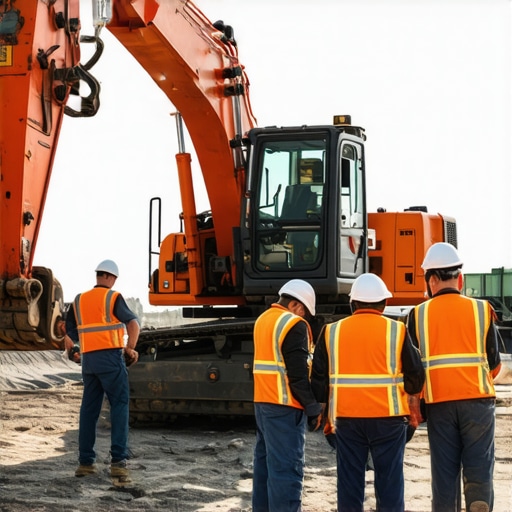
Ever had that sinking feeling when digging around underground utilities and suddenly hitting a pipe or cable? I’ve been there too. One moment, you’re confident about the site plan, and the next, you’re scrambling to fix a costly mistake. It’s a nightmare that can delay projects, increase costs, and even compromise safety. That was my lightbulb moment—realizing how crucial advanced excavation methods are for safe, efficient construction.
Why Safe and Precise Excavation Matters More Than Ever
In today’s fast-paced construction world, the stakes are higher. Site disruptions can ripple into days of delays, budget overruns, and safety incidents. Using outdated excavation techniques, like traditional digging, increases the risk of damaging underground infrastructure and exposes workers to unnecessary hazards. That’s why more contractors are turning to innovative solutions like vacuum excavation and daylighting. These methods allow us to see what’s beneath the surface without the destructive chaos of traditional methods. Plus, they’re proven to reduce site disruption significantly, as highlighted by experts in the field (see more about site disruption reduction here).
Is Vacuum Excavation Truly Worth the Hype?
Early on, I made the mistake of dismissing vacuum excavation as just another fancy tool. Boy, was I wrong. It’s a game-changer. It’s not just about avoiding utility strikes; it’s about protecting workers, minimizing environmental impact, and ensuring project timelines stay on track. Still, I know some skeptics worry about cost or complexity. My advice? When you compare the risks of traditional digging versus the precision and safety of vacuum excavation, the choice is crystal clear. It’s a smart investment that pays off in safety and efficiency. Want to learn more about how to select the right site services? Check out this comprehensive guide.
If you’ve faced similar challenges or are curious about how these solutions can revolutionize your projects, I invite you to explore the practical steps next. From choosing the right equipment to planning your daylighting strategy, there’s a lot we can do to make construction safer and smarter.
Assess the Site and Map Utilities Carefully
Start with a thorough survey of your construction site. Use advanced vacuum excavation services like utility mapping to identify underground infrastructure. I remember one project where I skipped this step, leading to utility strikes that delayed our timeline by days. Proper mapping is like having a detailed treasure map—without it, you’re just digging blind.
Choose the Right Equipment for Precise Excavation
Invest in modern vacuum excavation tools designed for safety and accuracy. Think of it as switching from a pickaxe to a laser-guided drill. When I used a standard excavator on a dense urban site, I underestimated the complexity, causing damage to nearby pipes. Using specialized vacuum excavation equipment minimized risk and increased efficiency.
Plan Your Daylighting Strategy for Clear Visibility
Implement daylighting techniques like boreholes to visually inspect subsurface conditions. It’s similar to shining a flashlight into the ground—suddenly, hidden hazards become visible. I once coordinated a borehole drilling project as part of a daylighting plan, which revealed a previously unknown cable. This real-time insight prevented a potential disaster and kept the project on schedule. Learn more about borehole drilling innovations to enhance your strategy.
Execute Controlled Excavation with Precision
Use vacuum excavation for delicate tasks like utility exposure or soil testing. Think of it as using a gentle hand instead of a sledgehammer. I recall a situation where I used high-pressure water to expose a gas line—careful control prevented any damage. Always monitor your process closely, adjusting pressure and flow as needed for safety and precision.
Document and Confirm Utility Locations
After excavation, verify utility positions with accurate documentation. This step is vital; a mislabel can lead to costly mistakes. During one project, I cross-checked our findings with the utility company, confirming our excavation points. This double-checking process saved us from future mishaps and reinforced safety protocols.
Implement Continuous Safety and Quality Checks
Throughout the process, use advanced safety protocols to monitor site conditions. Regular inspections and updates ensure that safety remains a priority. I remember halting work when a sudden ground shift was detected, preventing a potential collapse. Safety isn’t just a step; it’s an ongoing mindset.
Leverage Technology for Efficiency and Accuracy
Utilize software and real-time data collection to guide your excavation. It’s like having a GPS for underground work. I integrated a digital mapping system that updated our progress instantaneously, reducing rework and saving time. This tech-driven approach makes complex projects manageable and predictable.
Despite the growing adoption of advanced excavation methods like vacuum excavation and daylighting, many misconceptions still cloud their true potential. As someone deeply involved in construction safety and efficiency, I want to clarify some of the most common myths and hidden nuances that can trip up even seasoned professionals.
Are Traditional Digging Techniques Still Justified in Urban Projects?
A widespread belief is that traditional trenching and mechanical digging are sufficient for all projects. However, this perspective overlooks the significant risks of utility strikes, environmental damage, and safety hazards, especially in dense urban settings. Modern methods such as vacuum excavation offer precision that traditional tools simply can’t match. Relying solely on outdated techniques invites costly delays and safety incidents—something no project manager should accept.
Myth: Vacuum Excavation Is Too Costly and Complex for Small Projects
It’s common to assume that advanced site services are reserved for large-scale projects. In fact, the initial investment in vacuum excavation and daylighting can significantly reduce overall costs by preventing utility damages and project delays. The misconception that these methods are too complex ignores the fact that modern equipment is designed for user-friendliness and adaptability. Plus, consulting expert site services can streamline implementation, making these solutions accessible even for smaller projects.
Beware the Trap of Overconfidence in Subsurface Knowledge
One of the most insidious mistakes is assuming that existing utility maps and previous records are entirely accurate. Studies show that underground infrastructure can be mislocated or undocumented, especially in older urban areas (source). My own experience has taught me to always supplement existing data with borehole and daylighting techniques to verify subsurface conditions before proceeding. This extra step is vital to avoid costly surprises and ensure safety.
Have you ever fallen into this trap? Let me know in the comments.
Understanding these nuances and debunking myths is crucial to leveraging the full benefits of modern excavation methods. When approached with the right knowledge and tools, site safety and project efficiency reach new heights. Don’t let misconceptions hold your projects back—embrace the precision and safety of advanced site services today.
Keeping Equipment in Top Shape for Reliable Results
One of the most critical aspects of maintaining efficient site services is ensuring that your equipment remains in optimal condition. I personally rely on regular preventative maintenance schedules for vacuum excavation units and borehole drilling rigs. This involves daily inspections of hydraulic systems, filters, and hoses—simple checks that prevent costly breakdowns later. Investing in high-quality lubricants and replacement parts, sourced from trusted suppliers, can extend the lifespan of your tools and reduce unexpected downtime.
For example, I prefer using OEM (Original Equipment Manufacturer) parts whenever possible because they are designed specifically for my equipment, ensuring compatibility and durability. Routine calibration of sensors and control systems also plays a vital role in maintaining accuracy during daylighting and utility mapping. A well-maintained machine not only performs better but also reduces safety hazards, creating a safer work environment for everyone involved.
Leveraging Software for Better Planning and Monitoring
In today’s digital age, software tools have become indispensable for long-term site success. I recommend using project management platforms like Procore or Autodesk Construction Cloud to track maintenance schedules, equipment usage, and service history. These platforms help in planning routine check-ups and ensuring that no part of your maintenance routine is overlooked. Additionally, using GIS (Geographic Information Systems) can improve utility mapping accuracy over time, especially when integrated with real-time data from your site services.
For instance, I’ve integrated GPS tracking and digital documentation into my workflow, allowing me to monitor equipment locations and performance remotely. This proactive approach means I can schedule maintenance before a machine fails, avoiding costly delays and ensuring continuous productivity. As technology advances, I believe AI-driven predictive maintenance will further enhance our ability to anticipate issues and respond swiftly, minimizing downtime and maximizing safety.
How do I maintain site services over time?
Consistent training and adherence to safety protocols are vital. Regularly updating your team’s knowledge through courses on new equipment or techniques ensures everyone is prepared for the latest best practices. I also emphasize the importance of documenting every maintenance activity and inspection, which creates a reliable history that can inform future decisions. Remember, a proactive maintenance approach not only preserves your tools but also upholds safety standards and project efficiency.
Finally, don’t forget to stay informed about new innovations. For example, advancements in borehole drilling techniques, such as those discussed in this article, can provide insights into more durable and efficient methods. Incorporating these innovations into your maintenance routine will keep your site services ahead of the curve and ready for future projects. Try implementing a predictive maintenance system today and see how it transforms your project outcomes.
The Hardest Lessons I Learned About Underground Utility Risks
One of my most eye-opening experiences was realizing that even the most detailed site plans can be wrong. Relying solely on outdated utility maps led to a utility strike that caused days of delays and safety hazards. That taught me the importance of always verifying subsurface conditions through borehole and daylighting techniques. These methods reveal hidden hazards and save money in the long run.
Why Cutting-Edge Tools Are Worth Every Penny
Investing in modern vacuum excavation equipment transformed my approach to site safety. It’s like upgrading from a shovel to a precision laser. The initial cost is small compared to the savings from avoiding utility damages and project delays. Plus, trusted equipment from reputable suppliers ensures reliability and safety, which is critical in urban projects.
How Continuous Learning Can Save Your Project
Staying updated on innovations like daylighting strategies and utility mapping keeps my team ahead of potential hazards. Regular training sessions and reviewing new techniques help us adapt quickly and maintain safety standards.
Don’t Wait for a Crisis to Realize the Value of Proper Planning
The biggest lesson is that proactive planning, leveraging the right tools, and continuous education are the keys to success. When we prioritize safety and accuracy, construction becomes smoother, safer, and more cost-effective. If you want to improve your site services, start by integrating trusted vacuum excavation and thorough utility verification into your workflow.
My Essential Toolkit for Safe Excavation
Over the years, I’ve come to rely on a few key resources: Expert borehole and daylighting solutions for subsurface insights, advanced site safety protocols to keep everyone protected, and trusted vacuum excavation services to prevent costly mistakes. These tools have made a real difference in my projects.
Take Action and Shape Future Projects
Every construction site presents its own challenges, but with the right knowledge and tools, you can turn risks into opportunities for safer, more efficient work. My hope is that you’ll implement these lessons and resources to elevate your projects. Remember, safety and precision aren’t just priorities—they’re the foundation of success.
Have you ever experienced a utility strike or safety mishap that changed your approach? Share your story below—your insights could help others avoid the same pitfalls.