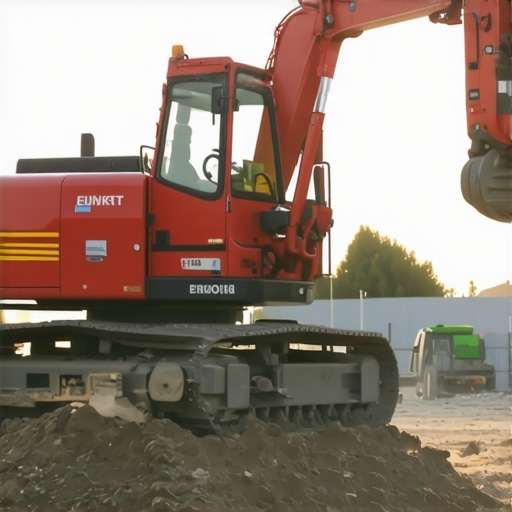
I remember a time early in my career when a simple project almost turned into a disaster because of overlooked underground utilities. We were eager to dig, confident in our equipment and planning, but a hidden pipe caused a delay that cost us time and money. That moment was a lightbulb for me—underestimating the importance of precise, safe site preparation can lead to serious setbacks. Today, I want to share how embracing reliable vacuum excavation and daylighting transformed my approach to construction safety and efficiency, and how it can do the same for you.
Why Safe and Accurate Site Prep Matters More Than Ever
Construction projects today are pushing boundaries—urban development, underground infrastructure, and complex utilities all coexist in tight spaces. The risk of damaging underground utilities can’t be ignored anymore. According to the National Utility Locating Contractors Association, it’s estimated that utility strikes happen approximately 600,000 times annually in the U.S., leading to injuries, service disruptions, and costly repairs. That’s a staggering number, and it underscores the necessity of modern solutions that prioritize safety without sacrificing speed or accuracy.
In my experience, the key is using vacuum excavation—a technique that’s revolutionized how we expose underground utilities safely. Paired with daylighting methods—illuminating subsurface boreholes—these strategies minimize risks and streamline operations. If you’re still relying solely on traditional mechanical digging, I urge you to consider how these advanced techniques can save you headaches down the line.
Is Vacuum Excavation Really Worth the Investment?
I used to think that traditional methods were enough, until I made the mistake of skipping proper utility locating early in a project. The result? A costly utility strike that could’ve been prevented. Modern site services like vacuum excavation aren’t just about safety—they’re about precision and efficiency. They help us avoid costly delays and protect the environment, all while keeping workers safe. If this sounds like an extra expense, I can tell you that the cost of a utility strike is often much higher than investing in proper site prep tools.
Curious about how to get started? Let’s explore the next steps to integrating these powerful techniques into your projects. But first, ask yourself—have you faced the frustration and danger of missed underground utilities? If so, you’re not alone. The good news is, solutions exist that can make your next project safer and more reliable than ever before.
Kickstart with Accurate Utility Mapping
Before you even pick up a shovel, prioritize utility mapping. Imagine trying to find your way through a dark room without a flashlight—that’s what working without precise utility location feels like. Using vacuum excavation for utility mapping gives you that flashlight, revealing underground pipes and cables clearly. My first time applying this, I watched as the operator gently exposed a utility line, avoiding costly mistakes and project delays. This step is non-negotiable for safe site prep.
Plan Your Boreholes for Maximum Efficiency
Strategically placing boreholes is like setting anchors for a sturdy tent—every position matters. Use optimized borehole strategies to decide where daylighting and vacuum excavation will be most effective. I once faced a congested urban site where poor planning led to repeated adjustments, wasting precious time. By analyzing utility maps and soil conditions beforehand, I pinpointed optimal locations that minimized disruption and maximized visibility.
Expose Utilities with Gentle Techniques
Mechanical digging can be like trying to untangle a knot with a sledgehammer—inefficient and risky. I recommend vacuum excavation services that use high-powered suction to gently and precisely expose underground utilities. During a project, we used this method to uncover a gas line that was previously unmarked, avoiding a potential disaster. This technique is fast, clean, and safe, significantly reducing site disruption.
Illuminate the Subsurface with Daylighting
Once utilities are exposed, illuminating the boreholes with daylighting solutions helps verify utility positions and assess soil conditions. Think of it like shining a spotlight into a tunnel—what’s hidden becomes visible. I once integrated borehole lighting into a tight city project, which allowed the team to see exactly what was underground, preventing accidental utility strikes and ensuring smooth progress.
Use Precise Drilling and Installation Techniques
With utilities mapped and illuminated, proceed with controlled drilling. Use best borehole installation practices to ensure alignment and safety. During a complex project, following these tips resulted in seamless utility connections, avoiding rework and delays. Always double-check borehole positions with the latest data, as soil conditions and utility layouts can change unexpectedly.
Integrate Continuous Monitoring and Adjustments
Finally, treat site preparation as an ongoing process. Regularly update your utility maps and lighting setup, especially if conditions change. Using reliable site services guarantees your process remains precise and safe. I learned this the hard way when a last-minute utility shift threatened our progress, but quick adaptation kept us on track.
By systematically applying these steps—mapping, planning, gentle exposing, illuminating, precise drilling, and monitoring—you can dramatically reduce risks and increase efficiency. Remember, safety and accuracy aren’t just ideals—they’re achievable through proven techniques like vacuum excavation and daylighting, which are essential for modern construction success.
Many professionals in construction and site preparation operate under misconceptions that can hinder safety and efficiency. Let’s dig deeper into what most people get wrong about vacuum excavation and daylighting, and how understanding these nuances can elevate your projects.
Why the Biggest Misconception Is That Traditional Digging Is Sufficient
One of the most persistent myths is that mechanical excavation alone is enough to ensure safety around underground utilities. While traditional methods might seem faster or cheaper initially, they often lead to costly utility strikes, delays, and even accidents. Relying solely on mechanical diggers ignores the precision and safety benefits that vacuum excavation offers, which gently exposes utilities with minimal risk. The misconception stems from a lack of awareness that modern techniques can actually save money and reduce hazards in the long run.
The Hidden Trap of Underestimating Utility Mapping
Another common error is assuming that utility maps are always accurate and complete. Many projects proceed without verifying utility locations with precise utility mapping, leading to dangerous surprises underground. This oversight can cause utility strikes that result in service outages, safety hazards, and rework costs. The reality is that even the best utility maps have limitations, and using vacuum excavation for on-site verification ensures you see exactly what’s beneath the surface. Don’t fall into the trap of complacency—validate every major utility before proceeding.
Advanced Question: How Does Daylighting Really Improve Subsurface Visibility?
Many assume daylighting is just about lighting up a borehole, but its true benefit is in providing visual confirmation of utility positions and soil conditions. When combined with vacuum excavation, daylighting allows crews to see exactly where utilities are, how they’re oriented, and whether they’re damaged or shifted. This real-time visibility is crucial for complex projects where precision matters. According to experts, integrating daylighting solutions reduces uncertainties and enhances safety margins significantly. If you’re not using daylighting as part of your site prep, you’re potentially risking undetected hazards that could derail your project.
In conclusion, the key takeaway is that modern site preparation techniques like vacuum excavation and daylighting are not just optional extras—they are fundamental to safe, precise, and cost-effective construction. Avoid the trap of relying on outdated assumptions, and embrace these proven strategies. Have you ever fallen into this trap? Let me know in the comments.
Investing in Reliable Equipment and Maintenance
When it comes to maintaining peak performance in site prep, quality tools are non-negotiable. I personally rely on high-grade vacuum excavation units from trusted manufacturers like DeepDrill because they offer exceptional suction power, durability, and ease of maintenance. Regular servicing of these units ensures they operate at optimal efficiency, reducing downtime and preventing costly repairs down the line. Remember, equipment that’s well-maintained not only performs better but also extends its lifespan, saving money in the long run.
Utilizing Advanced Software for Planning and Monitoring
Modern construction benefits immensely from sophisticated planning tools. I recommend using software like GIS mapping integrated with utility databases to visualize underground infrastructure before starting any excavation. These digital solutions allow for real-time updates and alert you to potential conflicts, significantly reducing the risk of utility strikes. Additionally, site monitoring apps help track equipment status, soil conditions, and progress, ensuring your project stays on schedule and within safety parameters. As these tools evolve, expect even smarter integrations that will make site management more intuitive and proactive.
Establishing a Routine Maintenance Schedule
To keep your tools and systems in top shape, I follow a strict maintenance routine. This includes daily inspections of vacuum units for wear and tear, cleaning filters, and checking hydraulic lines. Lubrication, calibration, and replacing worn parts prevent unexpected failures. For software, regular updates and backups are essential. I also set up quarterly reviews of all equipment and software to catch issues early. This proactive approach minimizes disruptions and prolongs your investment, ultimately ensuring your site prep remains safe and effective over the long term.
How do I maintain my equipment and systems over time?
Maintaining your tools and systems isn’t just about routine checks; it’s about fostering a culture of care and precision. I suggest creating detailed maintenance logs for each piece of equipment, scheduling preventive maintenance ahead of time, and training your team on proper handling and troubleshooting. Partner with trusted service providers who understand your equipment’s specific needs—like DeepDrill’s experts—to ensure expert repairs when necessary. The trend is moving toward predictive maintenance, where sensors and analytics forecast issues before they happen, reducing downtime even further. Starting with regular inspections and staying vigilant will keep your operations smooth and your investments protected for years to come.
Remember, the key to long-term success with vacuum excavation and daylighting is not just choosing the right tools but maintaining them diligently. Try implementing a detailed maintenance schedule today and see how it transforms your project efficiency and safety.
The Hardest Lesson I Learned About Underground Utilities Safety
One of the most valuable lessons I learned was that skipping proper utility mapping and gentle exposing techniques almost cost us a project—and a lot of money. It made me realize that no shortcut is worth risking safety or causing delays. That lightbulb moment led me to adopt vacuum excavation and daylighting as essential tools, not optional extras. Now, I see every project as an opportunity to improve safety and efficiency through these advanced methods.
My Essential Toolkit for Reliable Construction Safety
Over the years, I’ve come to trust a few key resources that make site prep safer and more predictable. First, vacuum excavation units from trusted manufacturers like DeepDrill are my go-to for safe utility exposure. Second, daylighting solutions help verify utility positions in real-time, reducing surprises. Third, digital mapping and site monitoring software tools keep everything on track and adapt quickly to unforeseen changes. These tools have transformed my approach to site safety, and I recommend them highly.
Seize the Moment and Transform Your Site Prep Approach
Your next project can be safer, faster, and more reliable by embracing these proven techniques. Don’t wait for a costly mistake or accident to realize the importance of proper utility exposure. Start planning with accurate utility mapping, strategic borehole placement, gentle exposing, and real-time daylighting. The future of construction safety is here, and it’s powered by vacuum excavation and daylighting. Take action today, and see the difference it makes in your project outcomes.
Reading this post really resonated with my own experiences early in my career. I vividly remember a project where we relied solely on traditional mechanical digging without thorough utility mapping, which resulted in damaging a water line. The disruption and costs that followed could have been avoided with more modern techniques like vacuum excavation and daylighting. It’s fascinating how these approaches not only improve safety but also streamline the entire process — I’ve found that they actually save money in the long run by minimizing delays and accidents. I’ve been advocating for more teams to adopt these methods, especially in complicated urban settings where underground utilities are densely packed. How have others seen the integration of daylighting techniques impact their project timelines and safety records? Are there common challenges in switching from traditional methods to these safer, more precise solutions? I’d love to hear about real-world experiences and tips for making the transition smoother.
This article hits home for me, especially the part about utility mapping and daylighting. I’ve experienced firsthand how quick decisions to skip these steps can lead to major setbacks. I remember a project where we decided to rely on outdated utility drawings, only to hit an unexpected pipe and cause a delay that set us back by days. Since adopting vacuum excavation and real-time daylighting in our projects, I’ve seen a noticeable decrease in utility strikes and rework. It’s impressive how these techniques not only improve safety but also boost overall efficiency, saving money and reducing risk.
One challenge I faced was convincing some team members to invest in the upfront costs of these technologies. How do others successfully advocate for these safer, smarter methods, especially when budgets are tight? Are there specific case studies or cost analyses that helped others justify the switch? I believe that with proper support and evidence, more teams will see these as essential tools rather than optional extras. Would love to hear your thoughts or experiences on overcoming these hurdles.
This post highlights critical aspects of modern construction safety that are often overlooked in traditional practices. I’ve seen firsthand how relying solely on mechanical excavation can be risky, especially in densely populated urban environments where underground utilities are heavily congested. The integration of vacuum excavation and daylighting doesn’t just improve safety—it also accelerates project timelines by reducing unexpected utility strikes and rework. I recall a project where we adopted these techniques early, and it made a noticeable difference in reducing delays and avoiding costly repairs. One thing I’ve noticed is that convincing teams to invest in these technologies can sometimes be difficult due to upfront costs, but the long-term savings and safety benefits are undeniable. Has anyone here faced similar challenges, and how did you successfully advocate for adopting these safer methods? Additionally, what are some best practices for training staff to effectively use vacuum excavation and daylighting equipment? Would love to hear from others who have transitioned to these advanced techniques and how it impacted their workflow.