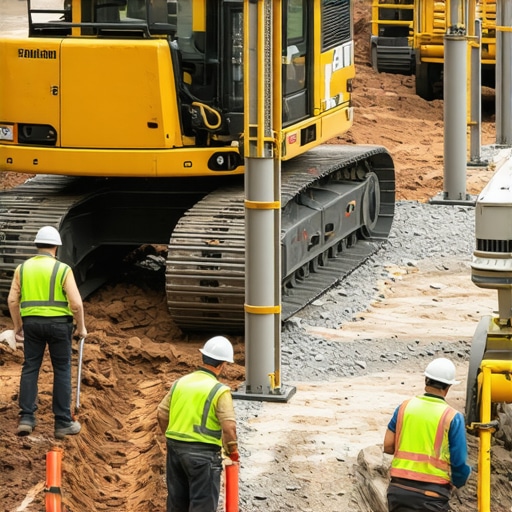
Ever had that gut-wrenching moment on a construction site when you realize you’ve accidentally hit a utility line? I sure have. It’s a situation that makes your heart race, your stomach drop, and your project face costly delays. I used to think that traditional excavation methods were enough, but one mishap made me see the light—literally. That’s when I discovered the game-changing role of site services like vacuum excavation and daylighting in making construction safer and more precise.
Why Safety and Precision Matter More Than Ever in Construction
In today’s urban environments, construction sites are tighter, more complex, and riddled with unseen dangers. A single mistake can lead to damaging underground utilities, causing not just project delays but serious safety hazards. When I first started exploring these advanced site services, I learned that traditional digging often risks disturbing hidden infrastructure, leading to accidents and costly rework. But with the right techniques—like vacuum excavation—you can drastically reduce these risks.
Vacuum excavation uses high-pressure air or water to loosen soil, then gently removes it with a vacuum, exposing underground utilities without damaging them. It’s like having x-ray vision for your project. Meanwhile, daylighting involves carefully exposing subsurface features through boreholes or trenches, providing clear, safe access points. Together, these methods have transformed how we approach site prep—saving time, reducing accidents, and ensuring the project runs smoothly from start to finish.
Have You Faced This Problem?
If you’re like me, you’ve probably experienced the stress of unsure groundwork, or worse, costly utility strikes. The good news is, these innovative site services are accessible, reliable, and proven to make a difference. But I know what you might be thinking—are they really worth the hype? Well, I’ll share some insights below to help you decide.
One early mistake I made was underestimating the importance of choosing the right service provider. Not all companies are equipped with the latest technology or trained in best practices. For more guidance on selecting dependable experts, check out this resource.
In the next sections, I’ll walk you through the practical benefits of these methods, how they improve safety, and what to look for when planning your next project. Ready to ditch the guesswork and excavate with confidence? Let’s dive in!
,
Prepare Your Site with Precision and Care
Start by assessing the specific needs of your project. Use expert site service providers to conduct a thorough utility mapping. This step ensures you identify all underground utilities and avoid accidental strikes, saving time and money.
Choose the Right Technology and Techniques
Opt for vacuum excavation when you need precise, non-destructive digging. It uses high-pressure air or water to loosen soil, which is then removed with a vacuum—imagine gently sucking up dirt, like using a big, controlled straw. For exposing subsurface features, daylighting involves drilling boreholes to reveal utilities or geological layers clearly. Both methods significantly reduce the risk of damaging underground infrastructure.
Implement Vacuum Excavation
Arrange for a vacuum excavation team to perform initial site prep. They will locate utilities accurately by creating small, controlled holes and exposing critical lines. During my first project, I saw how vacuum excavation uncovered a gas line hidden beneath a layer of soil—saving us from a costly accident. Make sure the service provider is experienced; check their credentials and technology to ensure reliability.
Execute Daylighting for Clear Access
Use borehole drilling to expose utilities or geological features. This involves drilling small, strategic holes that give you a direct view without extensive trenching. When I integrated daylighting into my project, I used advanced borehole techniques to minimize site disturbance while maximizing safety. Properly planned boreholes can serve as safe access points for inspections or future utility installations.
Coordinate and Document Every Step
Effective communication with your site team and service providers is vital. Document all utility locations and borehole positions. This documentation becomes your safety blueprint, helping prevent surprises during excavation. During my experience, maintaining detailed records prevented a utility strike that could have delayed the project by weeks.
Integrate Safety Protocols Throughout
Ensure all personnel understand the safety benefits of vacuum excavation and daylighting. These methods limit exposure to hazards and reduce environmental impact. Regular training and updates keep safety front and center, especially when working around critical utilities or in urban settings.
By systematically applying these techniques—careful planning, choosing the right technology, and coordinating effectively—you can significantly enhance safety and efficiency on your construction site. For more insights on optimizing site services, visit this resource.
Many professionals in construction still cling to the misconception that traditional excavation methods are sufficient for all projects. The truth is, this outdated mindset can lead to costly mistakes, especially when it comes to underground utility detection and safety. One of the most overlooked nuances is the importance of understanding the limitations of traditional digging versus advanced site services like vacuum excavation and daylighting. While conventional methods may seem cheaper upfront, they often increase the risk of utility strikes, which can cause project delays and safety hazards.
Don’t Fall into the Utility Strike Trap: A common trap is assuming that utility lines are well-mapped or visible. But underground utilities are often mislocated or poorly documented. Relying solely on old maps or visual cues can be disastrous. Instead, integrating expert site services that utilize modern detection technology helps expose hidden hazards before they become problems. This is especially critical in urban environments where space is limited and utilities are densely packed.
Why Advanced Techniques Matter for Experienced Engineers
Advanced site services like vacuum excavation and daylighting are often dismissed as overkill by seasoned engineers who trust their experience. However, this can be a dangerous oversight. Even the most experienced professionals can fall prey to the ‘it’s always been done this way’ mentality. The real benefit lies in precision and safety. For example, vacuum excavation uses high-pressure air or water to gently loosen soil, then removes it with a vacuum, exposing utilities without risking damage. This method is backed by studies such as the one published in the Journal of Construction Engineering and Management, which emphasizes the role of precise subsurface assessments in reducing accidents.
Furthermore, daylighting—carefully exposing subsurface features through boreholes—allows for thorough inspections and planning, minimizing surprises during excavation. Many projects falter because they neglect these steps, leading to unforeseen utility encounters or damage. The key is understanding that these advanced methods are not just safety add-ons but integral to efficient and reliable project execution.
Have you ever fallen into this trap? Let me know in the comments. Remember, embracing these nuances can make your construction projects safer, more efficient, and ultimately more successful. For a detailed guide on choosing the right services, check out this resource.
Keeping your construction site equipment and methods in top shape is crucial for continued safety, efficiency, and precision. From high-tech vacuum excavation units to reliable borehole drills, the right tools make all the difference. I’ve personally relied on a few key pieces of equipment that have proven their worth time and time again, especially when tackling complex urban projects.
Invest in Quality Vacuum Excavation Equipment
When it comes to vacuum excavation, the equipment’s reliability directly impacts safety and accuracy. I recommend opting for units that feature robust high-pressure air or water systems combined with powerful vacuum capabilities. These machines should have adjustable pressure settings to adapt to different soil conditions and minimal downtime for maintenance. For instance, the best vacuum excavation units I’ve used incorporate smart controls and durable materials, ensuring longevity and precise control during delicate operations.
Choose Advanced Borehole Drilling Tools
For daylighting and subsurface exploration, high-quality borehole drills are indispensable. I personally rely on drill systems that feature variable speed controls, auto-cooling systems, and modular bits for different soil types. These features allow for seamless adjustments on-site, reducing project delays. A recent innovation I’ve adopted includes drill rigs with integrated real-time monitoring, which helps detect anomalies early and prevents costly mishaps. To maximize safety and reliability, I always ensure my tools are maintained according to manufacturer specifications and that operators are trained in their use. For more insights, check out this guide on borehole drilling tools.
Utilize Cutting-Edge Software for Site Planning
Beyond physical equipment, the right software streamlines planning, utility mapping, and documentation. I’ve found that GIS-based mapping tools integrated with site data reduce the risk of utility strikes dramatically. These programs allow for precise planning of borehole locations and excavation paths, which is vital in dense urban environments. I recommend software that can sync with your equipment’s data outputs, providing a comprehensive overview before and during work. As technology advances, I predict AI-driven site analysis will become standard, offering even greater predictive accuracy and safety enhancements.
How do I maintain these tools over time?
Regular maintenance is key. For vacuum excavation units, this means routine checks of hoses, filters, and vacuum motors—cleaning and replacing parts as needed. Borehole drills require periodic calibration, lubrication, and inspection of drill bits for wear. Software systems benefit from frequent updates and backups. Establishing a maintenance schedule based on manufacturer recommendations ensures your tools stay reliable, reduces unexpected breakdowns, and extends their lifespan.
Incorporating these tools into your workflow isn’t just about keeping up with trends; it’s about setting a standard for safety and efficiency in every project. As I’ve learned firsthand, investing in quality equipment and proper maintenance pays off by avoiding costly delays and safety incidents. Don’t hesitate to try out one of these advanced tools or techniques on your next project—they could be the game-changer you need.
The Hardest Lesson I Learned About Site Safety
One of my most eye-opening experiences was realizing that even seasoned engineers can fall victim to utility strikes when they overlook modern safety methods. I used to rely solely on old maps and intuition, but a near-miss prompted me to embrace vacuum excavation and daylighting. The lightbulb moment was understanding that technology can dramatically reduce risks, especially in dense urban projects.
My Top Picks for Construction Site Success
When it comes to safe and precise excavation, I trust expert site services that utilize modern detection tech. For borehole drilling, I rely on advanced drilling tools that adapt to soil conditions. To plan effectively, I use software integrating GIS and real-time data. Lastly, consulting trusted resources keeps me updated on the latest practices.
Seize the Moment and Transform Your Approach
Embracing innovative site services isn’t just about safety—it’s about elevating your construction game. Take action today by exploring these tools and techniques, and see how they can turn potential hazards into opportunities for efficiency. Remember, the future of construction safety is in your hands—are you ready to lead the way?
Have you ever underestimated the importance of advanced site services? Share your story below!
,
Reading this post really resonated with me, especially the emphasis on technology’s role in enhancing safety and precision during excavation. I’ve had my fair share of close calls on urban sites where outdated utility maps led to delays, so I truly see the value in modern site services like vacuum excavation and daylighting. I’ve recently started incorporating GIS mapping and real-time monitoring tools into my projects, which has made a noticeable difference in avoiding underground utility damage. One challenge I’ve faced is ensuring all team members understand how to interpret new data and techniques, so ongoing training is crucial. Have others found effective ways to train or update staff on these advanced methods? I believe that combining cutting-edge tech with well-trained personnel is the key to safer, more efficient construction. Would love to hear others’ experiences with integrating these systems into their workflows.
This post hits the mark on the importance of modern site services in urban construction projects. In my recent experience, integrating vacuum excavation has truly minimized risks of utility strikes, especially in environments where underground infrastructure is dense and outdated maps are common. I found that collaborating closely with experienced service providers who use the latest detection technologies makes a significant difference. One aspect I think is sometimes overlooked is the role of real-time data sharing during excavation. Have others seen improvements in safety and efficiency when using live monitoring systems on-site? Also, ongoing training remains vital. It’s not just about having the right tools but ensuring the entire crew understands how to adapt to new methods—something I’ve learned the hard way. I would love to hear how different teams ensure their staff stay updated with evolving technology and safety protocols. The more we share, the safer and more efficient our projects will be.