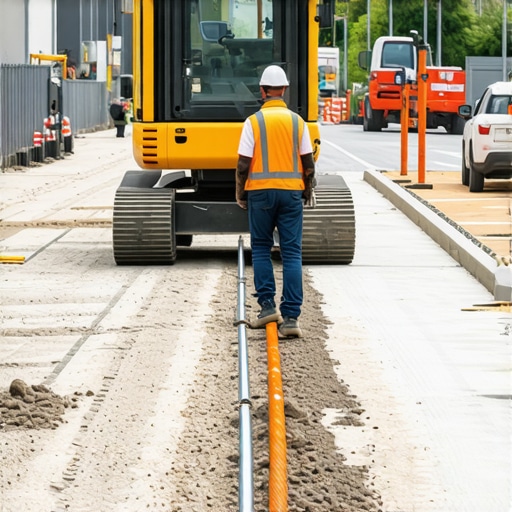
Ever had that sinking feeling when starting a construction project, only to realize halfway through that you’ve hit a hidden utility line or caused unexpected damage? I’ve been there—confident in my plans, only to be blindsided by underground surprises. That lightbulb moment made me realize how crucial reliable site prep methods are, especially when safety and precision matter. It’s not just about avoiding costly delays; it’s about protecting lives, infrastructure, and your reputation.
The Hidden Dangers Beneath Our Feet
Construction sites are like icebergs—what’s visible is just the tip. Below the surface lies a complex web of utilities—gas, water, electrical lines—that, if not mapped correctly, can turn your project into a disaster. Early on, I made the mistake of rushing into excavation without proper utility mapping, thinking a simple survey would suffice. The result was a minor utility strike, costly delays, and a lesson learned the hard way. Since then, I’ve discovered that trusted vacuum excavation and precise utility mapping are your best allies for safe, accurate site preparation.
Have you ever faced unexpected utility hits that halted your project?
Research shows that utility strikes happen in about 25% of excavations, leading to injuries, project delays, and hefty fines (source: OSHA). That’s a staggering statistic, and it highlights why investing in proper site prep isn’t optional—it’s essential. Modern methods like vacuum excavation allow for non-destructive, precise uncovering of underground utilities. When combined with reliable mapping, these techniques reduce the risk of surprises and ensure your project proceeds smoothly—saving time, money, and headaches.
Natural sites are unpredictable enough; don’t let underground utilities be a hidden threat. If you’re serious about safe, efficient construction, it’s time to consider trusted vacuum excavation and utility mapping. Ready to learn how to get it right? Let’s explore the practical steps that will transform your approach and give you peace of mind from the ground up.
Pinpoint Utilities Before You Dig
Start with comprehensive utility mapping using advanced technologies like electromagnetic induction and ground-penetrating radar. I remember a project where we skipped detailed mapping and faced a costly utility strike that delayed our schedule by days. By investing in reliable utility detection methods upfront, you can identify hidden lines precisely, avoiding surprises later. Always cross-reference utility maps with existing records, and consider employing [trusted vacuum excavation](https://deepdrillpro.com/vacuum-excavation-the-key-to-accurate-subsurface-assessments) to expose utilities without damaging them.
Use Vacuum Excavation for Accurate Utility Exposure
Think of vacuum excavation as the gentle hand that uncovers what’s beneath without the destructive force of traditional digging. During a recent urban development, we used vacuum excavation to carefully expose underground electrical lines. The process involves high-pressure air or water to loosen soil, then a vacuum to remove debris, revealing utilities cleanly. This method reduces risks, saves time, and minimizes site disruption. To ensure safety and accuracy, combine vacuum excavation with real-time utility detection tools for the best results.
Plan Your Excavation Strategy
Develop a detailed excavation plan based on your utility map and site conditions. Consider the depth, type of utilities, and soil stability. In one instance, I learned the importance of marking safe zones where excavation is permissible and identifying zones to avoid entirely. Use [borehole drilling techniques](https://deepdrillpro.com/borehole-drilling-techniques-innovations-in-daylighting-projects) to verify utility locations if necessary, especially in complex environments. Prioritize areas with high utility density for non-destructive methods like daylighting or vacuum excavation to prevent accidental damage.
Incorporate Real-Time Site Monitoring
Real-time monitoring tools, such as underground sensors and GPS tracking, improve accuracy during excavation. I recall a project where continuous monitoring alerted us to unexpected utility shifts, allowing immediate adjustments. This proactive approach minimizes risks and keeps the project on schedule. Integrate these tools into your site plan and communicate with your team regularly to maintain situational awareness.
Document Everything for Future Safety
Thorough documentation of utility locations, excavation methods, and site conditions is vital for ongoing safety and future reference. Use digital mapping systems to record exact utility positions and excavation progress. This practice not only safeguards your current project but also benefits future site work. For more insights into optimizing site safety, explore [how site services drive efficiency in urban construction](https://deepdrillpro.com/how-site-services-drive-efficiency-in-urban-construction) and ensure your planning is both precise and adaptable.
By combining detailed utility mapping, non-destructive excavation techniques like vacuum excavation, strategic planning, and real-time monitoring, you create a safer, more efficient site prep process. These steps help you avoid costly delays, protect underground infrastructure, and streamline construction workflows.
While many professionals understand the basics of utility detection and vacuum excavation, there are some nuanced pitfalls and misconceptions that can trip up even experienced contractors. Let’s dig deeper into what most people get wrong about these crucial site prep methods and how to avoid costly mistakes.
Why Relying Solely on Historical Utility Maps Is a Trap
One common myth is that existing utility records are always accurate. In reality, underground infrastructure is frequently updated, moved, or added without proper documentation. Relying solely on old maps can lead to dangerous oversights. In my experience, integrating real-time detection technologies like electromagnetic induction combined with ground-penetrating radar significantly improves accuracy. For instance, consulting trusted solutions such as optimized borehole strategies can enhance service reliability, ensuring you don’t miss hidden utilities that could cause damage.
Overconfidence in Vacuum Excavation as a Silver Bullet
Many assume vacuum excavation is foolproof for exposing utilities. While it greatly reduces risks compared to traditional digging, it’s not infallible. The oops factor arises when operators neglect proper soil analysis or fail to verify utility locations with multiple detection methods. Poor soil conditions, such as highly compacted or clay-heavy soils, can impair the efficiency of vacuum excavation. Advanced techniques like daylighting—when combined with borehole drilling innovations—offer a more comprehensive approach to uncovering utilities safely. For detailed insights, explore daylighting benefits for sustainable projects.
What Advanced Techniques Offer the Best Safety Margin?
For complex projects, relying on a single method isn’t enough. Combining electromagnetic detection, ground-penetrating radar, borehole verification, and vacuum excavation creates a layered safety net. This multi-technique approach minimizes surprises and ensures the highest level of accuracy. Additionally, real-time site monitoring tools, such as underground sensors and GPS tracking, can provide ongoing feedback during excavation, catching shifts or unexpected utility locations early. This proactive strategy prevents costly mistakes and project delays.
Have you ever fallen into this trap? Let me know in the comments. Remember, the key to safe and efficient site prep is understanding the nuances and combining the right tools for your specific project needs.
Maintaining your site prep equipment and leveraging the right tools can significantly impact the safety, efficiency, and longevity of your construction projects. Over the years, I’ve refined my toolkit to include specific, reliable solutions that keep my operations running smoothly and reduce unexpected downtime. Proper maintenance isn’t just about fixing things when they break; it’s about implementing a proactive approach that ensures consistent performance and safety.
Invest in High-Quality Vacuum Excavation Equipment
When it comes to non-destructive utility exposure, I personally swear by trusted vacuum excavation systems like the trusted vacuum excavation solutions. These machines not only minimize the risk of utility strikes but also require routine checks to maintain optimal suction power and soil removal efficiency. Regularly inspecting hoses, filters, and vacuums ensures consistent results and prevents costly breakdowns during critical phases of site prep.
Utilize Advanced Utility Mapping Software
Modern construction relies heavily on software for precise utility mapping. I recommend tools like software that optimizes borehole strategies. These programs help visualize underground infrastructure, plan excavation paths, and prevent surprises. Keeping the software updated and training your team on its full capabilities is vital for long-term reliability and safety. Digital record-keeping combined with real-time data integration allows for quick adjustments and better documentation for future projects.
Practice Routine Equipment Checks and Calibration
Routine maintenance of detection and excavation equipment is paramount. For electromagnetic induction devices and ground-penetrating radar, regular calibration ensures accuracy. I schedule weekly checks to verify readings, clean sensors, and replace worn parts. Calibration not only extends the lifespan of the equipment but also guarantees precise utility detection, reducing the risk of costly errors or utility strikes. Staying ahead of maintenance schedules protects your investments and project timelines.
Develop a Long-Term Maintenance Schedule
Creating a comprehensive maintenance plan for your tools and machinery is essential. Include regular inspections, cleaning, calibration, and component replacements based on manufacturer recommendations. I’ve found that documenting maintenance activities helps identify recurring issues early and plan upgrades or repairs proactively. This approach minimizes unexpected breakdowns, ensuring that your site prep tools are always ready to perform when needed. For complex projects, consider consulting site service experts to tailor a maintenance plan suitable for your specific equipment and project demands.
Anticipate Future Trends in Site Equipment
Looking ahead, I predict that automation and IoT-enabled maintenance systems will become standard. These technologies can monitor equipment health in real time, alerting operators to potential failures before they happen. Investing now in IoT-compatible tools will save money and time while enhancing safety. Staying updated with technological advancements and training your team on new systems will keep your operations at the forefront of reliable site preparation.
To keep your site work seamless and safe, I encourage you to try implementing a structured maintenance routine combined with high-quality detection tools. Proper upkeep of your equipment will ensure long-term reliability, reduce downtime, and protect your workforce. Ready to take your site prep to the next level? Start by evaluating the condition of your vacuum excavation systems and calibration procedures today.
< >
>
The Hardest Lesson I Learned About Site Prep and Utility Detection
One of the most eye-opening experiences in my career was realizing the importance of accurate utility mapping after a costly utility strike that delayed our project by days. It taught me that relying solely on old maps is a gamble, and that real-time detection tools are essential for safety and efficiency. That moment made me commit to always integrating advanced detection methods like electromagnetic induction and ground-penetrating radar before any excavation.
What Experts Won’t Tell You About Vacuum Excavation
Many assume vacuum excavation is foolproof, but I learned that soil conditions and proper operator training are critical. In challenging soils, combining daylighting with borehole verification gives a much better safety margin. Investing in quality equipment and continuous training has saved me from unexpected utility hits and project delays. My trusted sources always emphasize layered safety techniques for complex sites.
The Benefits of Combining Detection and Verification Techniques
In complex projects, a layered approach using electromagnetic detection, ground-penetrating radar, borehole verification, and real-time site monitoring is the key to avoiding surprises. I’ve seen firsthand how this multi-technique strategy reduces risks and keeps projects on schedule. Modern site monitoring tools, like underground sensors and GPS tracking, provide proactive alerts and help us adjust on the fly, ensuring safety and precision.
My Essential Toolkit for Safe Excavation
Over the years, I’ve refined my toolkit to include trusted vacuum excavation systems, which you can learn more about at trusted vacuum excavation solutions. Regular maintenance and calibration of detection equipment like electromagnetic devices and ground-penetrating radar are vital. I also rely on advanced software for utility mapping, such as software that optimizes borehole strategies, which helps visualize underground infrastructure accurately. Routine equipment checks and a long-term maintenance schedule are fundamental to ensure safety and reliability.
Innovations to Watch for in Site Safety and Equipment
Looking ahead, automation and IoT-enabled monitoring will revolutionize site safety. Investing in these technologies now can prevent failures before they happen, saving time and money. Staying updated with the latest innovations and training your team to leverage new tools will keep your operations safe and efficient in the future.
Your Turn to Try
Implementing layered detection, verification, and maintenance routines has transformed my approach to site prep. I encourage you to evaluate your current tools and processes—are you truly safeguarding your team against underground surprises? Share your experiences or questions below. Let’s build safer, smarter construction sites together!
This post really underscores how crucial precise utility mapping and modern excavation techniques are for avoiding costly mistakes. I remember early in my career, I underestimated the importance of thorough utility detection and paid the price with a utility strike that set us back days. Since then, I’ve adopted a layered approach—combining electromagnetic detection, ground-penetrating radar, and vacuum excavation—which drastically reduces surprises underground. I also believe that ongoing operator training and equipment maintenance play vital roles in maintaining safety and efficiency. Has anyone here experienced a situation where they thought the detection was foolproof but still encountered unexpected utilities? Sharing these lessons can help all of us improve safety standards and prevent future setbacks.