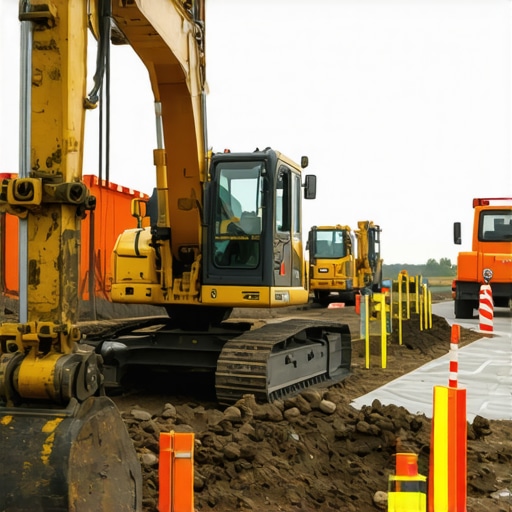
Imagine standing on a construction site, only to have a sudden collapse or utility strike that halts progress for days—or worse, causes accidents. I’ve been there, and it’s a moment of real panic. That lightbulb moment hit me hard: the difference between a smooth project and a disaster often hinges on something as seemingly simple as effective site planning combined with trusted vacuum excavation techniques.
Why Safety and Precision in Site Planning Matter More Than Ever
In today’s fast-paced construction industry, safety isn’t just a regulatory box to check—it’s the foundation of every successful project. According to the Occupational Safety and Health Administration (OSHA), excavation-related accidents account for a significant percentage of construction injuries and fatalities. This isn’t a coincidence. Poor planning and outdated excavation methods can lead to unexpected utility strikes, unstable soil conditions, or environmental hazards, all of which jeopardize worker safety and project timelines.
When I first started, I underestimated the importance of comprehensive site planning. I relied heavily on traditional excavation methods without considering subsurface conditions. That mistake cost my team time, money, and safety. It was only after a near-miss with underground utilities that I realized the crucial role of innovative techniques like vacuum excavation, which allows for precise, minimally invasive subsurface assessments.
Today, I want to share how integrating trusted vacuum excavation and meticulous site planning can dramatically improve safety, accuracy, and efficiency for your projects in 2024 and beyond. This isn’t just theory—it’s a proven approach that has transformed my work and can do the same for you.
Is Vacuum Excavation Actually Worth the Hype?
Initially, I was skeptical. I had doubts about the cost and the time required for advanced techniques. But after experiencing a utility strike that could have been avoided, I dove into research and discovered that modern vacuum excavation is a game-changer. This method reduces site disruption, enhances safety, and provides reliable subsurface data that traditional methods simply can’t match. In fact, experts highlight that vacuum excavation can prevent up to 80% of utility strikes compared to conventional digging (source).
My early mistake was ignoring the value of thorough subsurface assessments. If I had embraced this technology sooner, the risks and costs associated with unexpected utility hits could have been dramatically reduced. Now, I advocate for integrating vacuum excavation into every project’s site planning process to ensure safety and precision from the ground up.
In the upcoming sections, I’ll outline practical steps and strategies to implement trusted vacuum excavation and comprehensive site planning, so you can avoid the pitfalls I encountered and set your projects up for success in 2024.
Assess and Map Subsurface Conditions
Begin by conducting detailed subsurface assessments. Use vacuum excavation (trusted vacuum excavation) to precisely locate underground utilities, soil stability, and potential hazards. I remember a project where traditional methods missed a gas line; vacuum excavation revealed it early, saving us from a costly strike. This step is crucial for avoiding surprises during excavation.
Create a Comprehensive Site Utility Map
Integrate all subsurface data into a detailed utility map. This map guides your excavation plan, marking all underground lines, pipes, and cables. Use GPS and 3D mapping tools to enhance accuracy. In my experience, having a reliable utility map prevented accidental hits and minimized delays. This map should be updated regularly as new data becomes available.
Develop a Risk Management Plan
Identify high-risk zones based on your utility map. Implement safety measures such as protective barriers or temporary shutdowns of certain utilities during excavation. Communicate these plans clearly with your team. I once faced a situation where ignoring risk zones led to a utility strike, but with proper planning, subsequent projects avoided similar issues.
Implement Advanced Site Preparation Techniques
Use vacuum excavation not only for assessment but also for ongoing site prep. It allows for precise, minimally invasive digging, reducing site disruption and ensuring safety. For instance, I employed vacuum excavation to create test pits that confirmed soil stability before heavy machinery moved in, avoiding potential collapses.
Coordinate with Utility Authorities and Stakeholders
Engage utility companies early in the planning process. Share your utility map and risk plan to coordinate shutdowns or relocations if needed. Effective communication prevented delays and safety incidents. I learned this the hard way when a lack of coordination caused an unplanned utility outage, halting work for hours.
Leverage Innovative Drilling and Daylighting Solutions
Complement vacuum excavation with other technologies like borehole drilling and daylighting to enhance site understanding. These methods provide additional data points for safer and more efficient excavation. For example, borehole installation strategies can help monitor subsurface conditions over time, adding a layer of safety.
Regularly Review and Update Your Plan
Construction sites are dynamic. Continuously monitor subsurface conditions and update your utility map and risk management plan accordingly. Use real-time data from vacuum excavation and other sensors to adapt. I recall a project where ongoing updates prevented a major utility strike that would have caused weeks of delays.
Document Everything for Compliance and Safety
Keep detailed records of assessments, plans, and communications. This documentation is vital for regulatory compliance and future reference. It also fosters a safety culture within your team, ensuring everyone is aligned and prepared.
While many professionals believe they fully understand the capabilities of vacuum excavation, there’s a prevalent misconception that it’s just a faster or cleaner alternative to traditional digging. In reality, the nuanced application of vacuum excavation involves understanding its limitations and the critical role of precision in subsurface assessment. For example, relying solely on vacuum excavation for utility location without integrating comprehensive site mapping can lead to overlooked hazards, especially in complex urban environments where underground infrastructure is dense and poorly documented.
One of the most common myths is that vacuum excavation completely eliminates the risk of utility strikes. However, this technique is highly effective only when combined with detailed initial planning and data integration. For instance, trusted vacuum excavation provides accurate subsurface data, but if your site map is outdated or incomplete, the risk remains. The real nuance lies in understanding that vacuum excavation is a tool—its effectiveness depends on how well it’s integrated into a comprehensive site strategy.
Are You Overlooking the Importance of Data Integration?
Advanced practitioners know that combining vacuum excavation with technologies like borehole drilling and 3D mapping enhances accuracy and safety. For example, innovative borehole techniques can provide ongoing subsurface monitoring, reducing the chances of unexpected utility hits. This layered approach demands a nuanced understanding of how different technologies complement each other, a detail often overlooked by those new to site planning.
Furthermore, many underestimate the importance of continuous updates. Construction sites are dynamic, with utilities and soil conditions shifting over time. Regularly reviewing and updating your utility maps and risk assessments is essential for maintaining safety and efficiency. This ongoing process is a subtle but crucial aspect that separates seasoned professionals from novices.
In my experience, the trap many fall into is thinking that a single method or a one-time assessment suffices. The truth is, trusted site services require a layered, ongoing approach. Have you ever fallen into this trap? Let me know in the comments.
Keeping your vacuum excavation equipment in top condition is crucial for ensuring safety, accuracy, and long-term performance. As I’ve learned through years of hands-on experience, the right tools and consistent maintenance practices can significantly extend the lifespan of your equipment and reduce unexpected downtime. In this post, I’ll share the specific tools I recommend and maintenance tips that have proven effective for reliable, safe, and efficient site work.
Invest in High-Quality Vacuum Excavation Hoses and Fittings
The backbone of any vacuum excavation operation is its hoses and fittings. I personally prefer heavy-duty, abrasion-resistant hoses with reinforced couplings, such as those made from polyurethane or rubber composites. These materials withstand harsh site conditions and reduce the risk of leaks or failures. Regularly inspecting hoses for signs of wear, cracks, or weakening is essential. Replacing damaged fittings immediately prevents loss of suction power and potential safety hazards.
Maintain a Rigorous Filter and Dust Collection System
Effective dust and debris management not only prolongs equipment life but also ensures cleaner, safer operation. I use high-efficiency particulate air (HEPA) filters and keep a stock of replacement filters on hand. Cleaning or replacing filters after every few hours of operation prevents clogging and maintains optimal airflow. Additionally, ensuring that dust collection systems are properly sealed and functioning reduces environmental hazards and complies with safety standards.
Use Precise Monitoring and Control Software
Modern vacuum excavation units often come with integrated software that monitors pressure, flow rate, and operational cycles. I highly recommend investing in advanced control systems like those offered by leading manufacturers, which provide real-time data. This technology helps detect potential issues early, such as pressure drops indicating hose blockages or leaks. By proactively managing these parameters, you can avoid costly breakdowns and ensure safety.
Implement Routine Lubrication and Mechanical Checks
Mechanical components such as motors, pistons, and valves require regular lubrication—using manufacturer-approved lubricants—to prevent wear and overheating. I schedule weekly inspections to tighten bolts, check for leaks, and replace worn belts or seals. Maintaining a detailed maintenance log allows me to track issues before they escalate, ultimately saving time and money.
Predictive Maintenance with IoT Sensors
Looking ahead, I predict that IoT-enabled sensors will become standard in vacuum excavation equipment. These sensors can forecast failures based on vibration patterns, temperature changes, or pressure anomalies. Installing these sensors allows for predictive maintenance—addressing issues before they cause operational failure. This trend will make our sites safer and equipment more reliable over the long term.
How do I maintain my vacuum excavation tools over time?
Consistency is key. I follow a strict maintenance schedule, conduct daily pre-operation checks, and keep spare parts ready. Regular cleaning after each job prevents buildup of debris that can damage internal components. Additionally, training my team on proper operation and routine maintenance helps ensure that equipment remains in optimal condition, reducing the likelihood of costly repairs and safety incidents.
For more detailed guidance on equipment maintenance and best practices, I recommend reviewing trusted resources like trusted vacuum excavation maintenance tips. Embracing these tools and strategies will help you keep your site operations running smoothly and safely for years to come.
The Hardest Lesson I Learned About Site Safety and Vacuum Excavation
One of my toughest experiences was overlooking the importance of continuous site assessment. I once relied solely on initial vacuum excavation data, assuming it was enough to safeguard the project. The result was a near-miss with underground utilities that could have caused serious accidents. That taught me the vital lesson that site conditions are always changing, and ongoing monitoring is crucial.
3 Myths About Vacuum Excavation That Held Me Back
Myth 1: Vacuum excavation is just a faster, cleaner alternative to traditional digging. In reality, it’s a precision tool that, when combined with comprehensive site planning, drastically reduces utility strikes.
Myth 2: One assessment at the start of a project is sufficient. I learned the hard way that regular updates and integrations with other technologies like borehole drilling are essential for safety and accuracy.
Myth 3: It’s only about safety; vacuum excavation doesn’t impact efficiency. Actually, I found that proper use of this technology streamlines workflows and saves money in the long run.
What Experts Won’t Tell You About Integrating Technologies for Construction Safety
Most professionals focus on individual tools, but the real secret is in how you combine vacuum excavation with advanced mapping and monitoring systems. This layered approach creates a safer, more reliable site environment, especially in complex urban areas where underground infrastructure is dense and poorly documented.
My Essential Toolkit for Effective Site Planning and Excavation
Trustworthy vacuum excavation equipment, like high-quality hoses and filters, has been a game-changer for me. Regular maintenance, including filter checks and hose inspections, prevents costly breakdowns. I also rely on control software that provides real-time data, enabling proactive decisions to keep the site safe and efficient.
For further insights, I recommend exploring tools and resources like trusted site services and the latest in borehole and daylighting solutions to enhance your project’s safety and precision.
Your Turn to Try Safer Construction with Better Site Planning
Embracing advanced vacuum excavation techniques and meticulous site planning isn’t just smart—it’s essential for future-proofing your projects. The construction landscape is evolving, and those who adapt will lead the way in safety and success. Are you ready to take your site safety to the next level in 2024?
What has been your biggest challenge in integrating vacuum excavation into your projects? Share your experience below and let’s learn together!
Reading this post really emphasizes how vital thorough site planning and advanced excavation techniques are, especially in complex urban environments. I’ve personally seen how relying solely on traditional methods can lead to unexpected utility hits, delays, and safety hazards. The integration of trusted vacuum excavation with detailed mapping truly seems to be a game-changer. It’s remarkable how much more efficient and safe projects can become with this layered approach, but I wonder—how do you handle situations where subsurface conditions change unexpectedly during excavation? Do any of you have strategies for updating your plans in real time to adapt quickly? I’d love to hear about experiences or tools that help manage these unpredictable shifts effectively. Overall, investing in continuous assessment, even during ongoing work, appears to be key to avoiding costly surprises and maintaining safety. It’s a reminder that technology and proactive planning are the best partners in the evolving construction landscape.
This post really emphasizes how crucial integrated site planning and modern excavation methods are, especially in dense urban environments where underground utilities are often poorly documented. From my experience working on complex infrastructure projects, I’ve seen firsthand how relying solely on traditional excavation can lead to unexpected utility strikes and costly delays. Implementing trusted vacuum excavation combined with detailed mapping not only enhances safety but also significantly improves project efficiency.
One challenge I’ve encountered is managing real-time changes in subsurface conditions. Sometimes, unexpected soil instability or new utility lines are discovered mid-project, which can throw off even the best plans. To handle this, I’ve found that maintaining an adaptable site strategy that includes regular updates from ongoing subsurface assessments is key. Using portable vacuum excavation units for quick, targeted investigations allows us to stay ahead of potential issues. Have others here adopted similar flexible approaches or invested in real-time monitoring technology to better respond to these dynamic conditions? I believe continuous assessment and quick adaptation are the future of safe, efficient excavation.