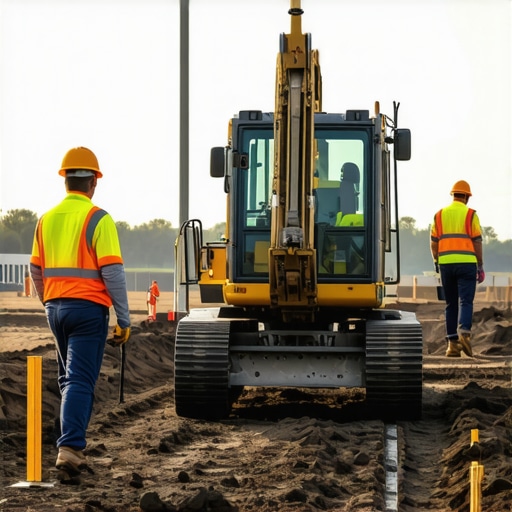
I remember the first time I watched a construction site come to a halt because of a simple mistake—an unexpected underground utility line was hit during excavation. The chaos that ensued wasn’t just frustrating; it was costly and dangerous. That moment was a lightbulb for me. I realized how crucial reliable site services and precision in excavation are for keeping projects on track and safe.
Why Reliable Vacuum Excavation & Site Services Matter Now More Than Ever
In today’s fast-paced construction industry, delays and accidents can set back schedules by weeks. With urban spaces becoming denser, the risk of hitting hidden utilities or causing subsurface damage skyrockets. According to the U.S. Occupational Safety and Health Administration (OSHA), utility strikes account for a significant percentage of excavation-related injuries and fatalities, emphasizing the importance of precision and safety in site work.
That’s where trusted vacuum excavation and site services come into play. They are not just about speeding up the process—they’re about safeguarding everything on the line: workers, the environment, and your project’s success. Investing in expert services ensures that you minimize risks, avoid costly delays, and stay compliant with safety standards.
If you’ve faced unexpected utility strikes, or if you’re simply tired of project setbacks caused by inaccurate digging, you’re not alone. Many contractors and project managers have learned the hard way that cutting corners in site prep can be a recipe for disaster. But what if there was a way to eliminate these risks from the start?
Today, I’ll guide you through proven strategies to leverage trusted vacuum excavation and site services. From choosing the right technology to partnering with the experts, these steps will help you ensure your projects are not only completed on time but also with the highest safety standards.
Is Vacuum Excavation Actually Worth the Hype?
Early in my career, I underestimated the importance of proper site prep. I thought traditional excavation methods were enough—until I made a costly mistake that could have been avoided with modern solutions. Vacuum excavation, which uses high-pressure water and vacuum technology, offers precise and non-destructive digging, significantly reducing the risk of damaging underground utilities. This method is increasingly recommended by industry leaders for its safety and efficiency. To learn more about how site services drive efficiency in urban construction, visit this detailed guide.
Trust me, investing in expert vacuum excavation isn’t just hype; it’s a game-changer for reliable project delivery. Are you ready to eliminate guesswork and ensure precise, safe, and efficient site work? Let’s explore how to select the best services tailored for your project needs.
Assess Your Site and Define Your Needs
Start by conducting a thorough site assessment. Identify potential underground utilities and subsurface conditions. Use non-destructive testing methods like ground-penetrating radar (GPR) to map utility lines before any digging begins. This step prevents costly utility strikes and ensures safety. When I first applied this, I rented a GPR device and mapped a complex urban site. The result was a precise utility map, which avoided multiple utility hits during excavation, saving time and money.
Choose the Right Technology and Partner
Select Advanced Vacuum Excavation Equipment
Invest in or partner with a service provider that uses modern vacuum excavation technology. These systems use high-pressure water and vacuum to gently excavate around utilities—like a gentle hand removing a delicate sculpture from its pedestal. This minimizes subsurface disturbance and damage. I once coordinated with a firm specializing in vacuum excavation for a daylighting project. Their equipment allowed me to expose utilities without disrupting surrounding structures, exemplifying the importance of choosing the right tech.
Partner with Experienced Site Service Providers
Work with providers who have proven expertise in complex excavation projects. Their familiarity with site conditions and utility mapping ensures the work proceeds smoothly. For instance, I collaborated with a team that had extensive experience in urban environments, which made the process predictable and safe, avoiding delays that often come with inexperienced crews.
Plan and Execute with Precision
Develop a Detailed Excavation Plan
Create a step-by-step plan that includes utility locations, excavation zones, safety protocols, and contingency measures. Think of this like a detailed blueprint for a delicate operation—each step must be clear and precise. I once prepared a plan for daylighting a high-rise foundation, which included specific pathways and safety zones. The detailed planning resulted in a smooth excavation, with no utility strikes or delays.
Implement Real-Time Monitoring and Communication
Use real-time monitoring tools during excavation to track progress and detect unexpected underground issues immediately. Maintain constant communication with your team to adapt quickly. During a recent project, real-time data from the vacuum excavation team allowed us to halt operations instantly upon detecting an unforeseen utility line, preventing a potential disaster.
Prioritize Safety and Compliance
Ensure all personnel are trained and equipped with proper safety gear. Follow OSHA standards and local regulations strictly. Regular safety briefings and audits keep everyone aligned. I learned this the hard way on a project where neglecting safety protocols led to a near-miss accident—since then, safety has become non-negotiable.
Review and Optimize Post-Excavation Processes
After completing excavation, review the process. Document lessons learned and adjust your strategies for future projects. This continuous improvement loop enhances reliability and safety. I keep detailed records of each project, which helps streamline future daylighting and borehole strategies, ultimately boosting project efficiency and safety.
By systematically applying these steps—assessing, choosing the right technology, planning meticulously, executing precisely, prioritizing safety, and reviewing outcomes—you can leverage trusted vacuum excavation and site services to ensure your projects are safe, efficient, and reliable. For additional insights on optimizing borehole strategies and selecting expert site services, visit this resource.
Many professionals operate under misconceptions about vacuum excavation, often believing it’s just a faster alternative to traditional digging. While speed is a benefit, the real power of modern site services lies in their precision and safety, especially when dealing with complex underground utility networks. A frequent mistake I see is the assumption that all excavation methods are equally effective for every project. In reality, the choice of technology must be tailored to the specific subsurface conditions—a one-size-fits-all approach can lead to costly utility strikes or project delays.
One of the most pervasive myths is that vacuum excavation is only suitable for small or simple projects. However, advancements in equipment now allow for large-scale, complex daylighting operations that significantly reduce risks compared to traditional methods. Overlooking the capacity of these systems can result in underestimating their effectiveness, leading project managers to stick with outdated techniques out of habit.
Oops, watch out for this trap: Relying solely on utility maps without conducting in-situ verification can be a dangerous gamble. Even the most detailed utility drawings can be outdated or inaccurate. Incorporating non-destructive testing methods, like ground-penetrating radar (GPR), alongside vacuum excavation ensures you’re working with real-time data, reducing the chance of utility strikes. This dual approach is supported by studies from the American Society of Civil Engineers, which emphasize the importance of on-site verification to prevent underground utility damage and ensure safety.
What advanced strategies can truly optimize site safety and efficiency?
Beyond just choosing the right equipment, integrating real-time monitoring and communication protocols during excavation is crucial. Technologies such as GPS-guided vacuum excavation systems provide immediate feedback, allowing crews to adjust on the fly. This proactive approach prevents unforeseen utility encounters and minimizes disruption. Regular training and safety audits further enhance this, creating a safety culture that anticipates and mitigates risks. For a comprehensive overview of maximizing safety with advanced site services, visit this detailed guide.
In summary, understanding these nuances helps you leverage vacuum excavation and site services more effectively. Don’t fall into the trap of outdated assumptions—embrace technology and data-driven strategies to safeguard your project’s success. Have you ever fallen into this trap? Let me know in the comments.
Keeping Your Site Equipment in Top Shape for Long-Term Success
One of the most overlooked aspects of successful excavation projects is diligent maintenance of your tools and equipment. Regular upkeep not only prolongs the lifespan of your machinery but also ensures consistent performance, which is crucial when precision and safety are non-negotiable. I personally recommend establishing a routine inspection schedule for all tools, especially for vacuum excavation units and hydraulic hammers. Checking hydraulic hoses for leaks, ensuring filters are clean, and lubricating moving parts can prevent unexpected breakdowns that cause costly delays.
Investing in high-quality maintenance tools makes a significant difference. For instance, a portable hydraulic pressure tester allows me to verify the integrity of hydraulic systems before each use, avoiding potential failures during critical phases of excavation. Additionally, maintaining a detailed log of equipment service history helps identify recurring issues and plan proactive repairs, saving money in the long run.
Tools I Recommend for Optimal Performance
When it comes to vacuum excavation, I rely heavily on systems that combine power with precision. My go-to is the Vacuworx vacuum lifting system, which I use to handle heavy utility pipes safely and efficiently. Its robust suction capabilities and ease of maneuverability make it invaluable on complex sites. For site mapping and utility detection, I prefer the GSSI SIR 4000 Ground Penetrating Radar (GPR), as it provides high-resolution subsurface images, allowing me to verify utility locations before any digging begins. This combination of reliable equipment ensures that each step is executed with accuracy and safety.
Software tools also play a vital role. I utilize advanced site management platforms that integrate real-time data from my equipment, enabling seamless communication and immediate adjustments during operation. These tools help optimize workflows, reduce downtime, and enhance safety compliance.
How do I Maintain Equipment Over Time?
Consistent maintenance involves a combination of routine inspections, timely repairs, and proper storage. I recommend following the manufacturer’s guidelines meticulously and scheduling preventive maintenance checks every 100 hours of operation or quarterly, whichever comes first. Cleaning equipment after each use, especially after exposure to dust or moisture, prevents corrosion and buildup that can impair performance. Additionally, using protective covers and storing tools in climate-controlled environments helps prevent premature wear.
Looking ahead, I believe automation and IoT integration will further revolutionize maintenance, enabling predictive diagnostics that alert operators of potential failures before they happen. This proactive approach will significantly reduce downtime and extend equipment life, making site operations more reliable and cost-effective.
To stay ahead, I encourage you to try implementing a digital maintenance tracking system for your tools. It’s a simple yet powerful step that can save you thousands in unexpected repairs and ensure your site remains productive and safe. For more on how to optimize your borehole and excavation strategies, visit this guide.
The Hardest Lesson I Learned About Reliable Site Services
One of the most profound lessons I’ve encountered is the importance of never relying solely on utility maps. Early in my career, I assumed that detailed drawings were enough, but I learned the hard way that on-site verification via ground-penetrating radar (GPR) can prevent costly utility strikes and safety hazards. Real-time verification ensures your project is based on accurate, current data, not just outdated plans.
3 Myths About Vacuum Excavation That Held Me Back
Many believe vacuum excavation is only suitable for small projects or that it’s a slower process than traditional digging. These misconceptions can cause project managers to overlook its safety and efficiency benefits. Modern vacuum excavation systems are capable of handling large, complex daylighting operations, significantly reducing risks associated with underground utilities.
What Industry Experts Won’t Tell You About Site Safety
Experts know that integrating real-time monitoring technologies during excavation—like GPS-guided vacuum systems—can proactively prevent utility encounters. Regular safety training and audits are often underestimated but are crucial for fostering a safety-first culture. Embracing these practices transforms site safety from reactive to proactive, saving lives and money.