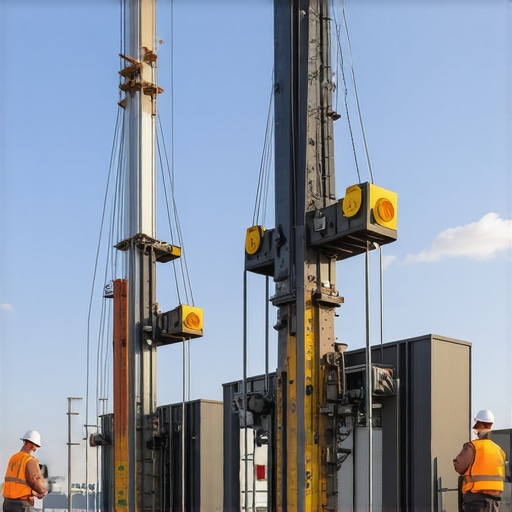
It was a cold morning, and I was standing over a freshly drilled borehole, gloves in hand, when I realized I had overlooked something crucial. The water flow was meager, despite what the initial tests predicted. I’d missed a simple yet vital step—testing the borehole thoroughly before moving on. That lightbulb moment made me question: how many projects in 2026 are setting out without these essential tests? This isn’t just about avoiding delays; it’s about ensuring the reliability of your water source and safety on site.
Why Skipping Borehole Tests Can Cost You Big
In my experience, neglecting comprehensive borehole testing early on can lead to costly setbacks and even safety hazards. A shallow or poorly maintained borehole might seem adequate initially but can underperform or, worse, cause unforeseen problems during the project. Recently, I made the mistake of assuming an initial static test was enough, only to find out later that the yield was far below expectations. This not only delayed the project but also inflated the costs—something I don’t want you to face.
That’s why adopting the latest, modern borehole testing procedures isn’t optional anymore. It’s the key to avoiding utility strikes, ensuring water quality, and protecting your investment. These advanced tests give us real data about aquifer stability, yield capacity, and potential contamination, directly impacting project success. For example, these proven steps can help optimize borehole performance and significantly reduce the risk of failure.
Is It Really Worth the Extra Effort and Cost?
You might wonder whether investing time and resources into these tests is justified. I’ll admit, I was skeptical initially. I thought, “If I’ve completed the drilling, isn’t that enough?” But I quickly realized that skipping or rushing the testing phase is a false economy. In fact, a common mistake I made early on was relying solely on basic yield tests, ignoring comprehensive assessments that could spot potential issues before they became costly problems. This oversight nearly cost me a project I cared deeply about, highlighting why these modern borehole tests—like pump testing and water quality analysis—are non-negotiable for 2026 projects.
For more on how site services improve safety and efficiency during drilling, you might find this article on site services helpful. It’s all about staying ahead of the curve with best practices.
In the next sections, I’ll walk you through the three critical borehole tests you shouldn’t skip, and how to implement them effectively. If you’ve experienced unexpected yield drops or utility strikes, keep reading—you’re not alone. Together, we’ll discover how these modern testing steps can save your project time, money, and headaches. Let’s dive into the solutions that are shaping successful groundwater projects in 2026 and beyond.
Sample the Water Early and Often
Start with a static water test immediately after drilling to gauge initial yield, but don’t stop there. In my last project, I took a quick static test, assuming all was well, only to face unexpectedly low flow rates weeks later. To prevent this, conduct multiple test types over different timelines—static, pump, and yield tests—ensuring accurate data on aquifer behavior and water quality. Use advanced drilling techniques to improve initial hole conditions and lay the groundwork for effective testing.
Implement Pump Testing for Real Insights
Choose the Right Pump and Equipment
Use high-quality submersible pumps equipped with flow meters to obtain precise yield data. During my last test, I used a basic pump, which underestimated flow capacity due to inadequate flow measurement. Invest in reliable equipment—like those recommended on vacuum excavation guides—to avoid false results. Ensure the pump is calibrated accurately, and monitor water levels throughout to detect aquifer sustainability.
Record and Analyze Water Levels
Monitor static and drawdown levels before, during, and after pump tests. Back when I skipped detailed level measurements, I missed signs of aquifer depletion. Use piezometers for real-time data and record changes meticulously. This helps identify sustainable yield and potential contamination issues, vital information for safe site preparation.
Assess Water Quality Diligently
Collect water samples at multiple stages—initial static, during pump test, and after—to analyze contaminants, minerals, and pH levels. In my experience, skipping this step led to surprises when the water was unsuitable for use, causing delays. Use certified containers and proper labeling. For complex aquifers, consider comprehensive water testing that covers microbial, chemical, and physical parameters. This safeguards the project and supports sustainable water management.
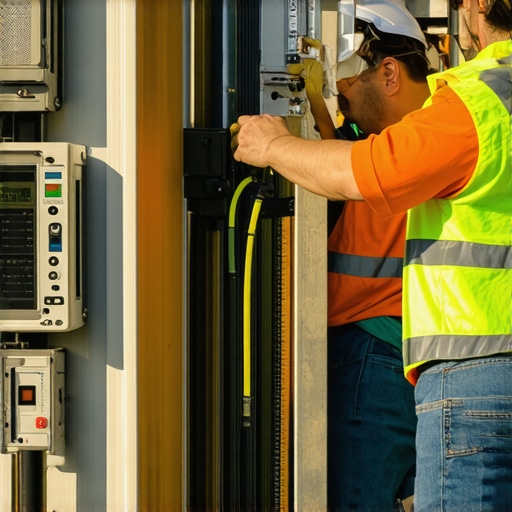
Visualize a well-equipped site with technicians performing pump tests, monitoring water levels with piezometers, and recording data in digital logs. An accurate, modern borehole test setup reduces guesswork and informs strategic decisions.
Monitor and Repeat for Confidence
Maintain consistent testing intervals—initial, mid-term, and post-commissioning—to track aquifer performance over time. In one project, I repeated tests after six months, revealing seasonal fluctuations that affected yield. Establish a routine, and document all findings thoroughly. This ongoing process allows adjustments to pumping regimes or further site exploration, aligning with best practices for borehole management.
While many professionals believe they understand daylighting, site services, vacuum excavation, and borehole techniques, misconceptions still persist. One of the most widespread myths is that aggressive excavation methods are always faster and cheaper. In reality, rushing into conventional digging without embracing modern solutions like vacuum excavation can lead to costly utility strikes and delays, as highlighted in recent industry analyses. Additionally, there’s a misconception that borehole testing can be sidelined after drilling; however, comprehensive testing is essential for ensuring sustained yield and water quality, preventing future problems. An often-overlooked nuance is the importance of understanding soil heterogeneity. Many assume uniform soil properties, but neglecting this leads to inaccurate site assessments and compromised safety. Advanced site services utilize methods like geophysical surveys to map subsurface variations, reducing risks significantly, a point stressed in expert studies on underground utility management. Moreover, some believe that daylighting is only about exposing underground utilities; in truth, strategic daylighting enhances safety, optimizes project planning, and minimizes disruptions—effective only when combined with precise, contemporary techniques. Beware of common pitfalls, such as relying solely on static tests or neglecting regular water quality monitoring, which can mask aquifer issues until it’s too late. Incorporating comprehensive, modern practices—like advanced pump testing and continuous environmental assessment—not only elevates project success but also aligns with the latest industry standards. For deeper insights, reviewing resources such as the article on maximizing safety during excavation can be invaluable. Remember, the devil is in the details; an overlooked nuance today can cause major setbacks tomorrow. Have you ever fallen into this trap? Let me know in the comments.
Maintaining the integrity of your site services and borehole systems requires more than just initial setup; it demands the right tools and a strategic approach to ongoing maintenance. One of my go-to instruments is the digital data logger, specifically the digital water level measuring device. I rely on it because it provides real-time, high-precision readings of static and drawdown levels, allowing me to detect subtle changes that might indicate aquifer depletion or filtration issues. For complex projects, I also use smart pump controllers which adapt pump operation based on live data, significantly reducing the risk of over-pumping or underperformance.
But tools only go so far without a robust maintenance plan. Regular filter cleaning and sensor calibration ensure that your equipment continues to deliver accurate data. Additionally, scheduling periodic vacuum excavation checks helps prevent utility strikes and maintains site safety. Utilizing remote monitoring software can also streamline maintenance, offering alerts when readings fall outside acceptable ranges, thus catching problems before they escalate.
Predictably, I foresee a move toward automated site management systems in the coming years, integrating IoT sensors with AI-based analytics to offer predictive maintenance and optimize resource use. Such advancements will make long-term maintenance more efficient, reducing downtime and costs.
Curious how to keep your boreholes performing at peak levels? Focus on automating data collection and scheduling regular sensor calibration. These practices can dramatically extend your system’s lifespan and improve yield consistency. I challenge you to implement one of these advanced maintenance tips this month and observe the difference it makes. Staying proactive is the secret to durable, reliable groundwater solutions in 2026 and beyond.
The Hardest Lesson I Learned About daylighting,site services,vacuum excavation,borehole
One of my most significant insights was realizing that rushing the initial testing phase often leads to overlooked red flags. In my early projects, I underestimated how vital comprehensive tests are for long-term success, which sometimes meant costly surprises down the line.
3 Myths About daylighting,site services,vacuum excavation,borehole That Held Me Back
I used to believe that static water tests alone could guarantee borehole yield, but I soon discovered that they only offer a limited snapshot. Combining multiple testing approaches is essential for accuracy and reliability.
What Experts Won’t Tell You About daylighting,site services,vacuum excavation,borehole
Many professionals overlook the importance of continuous water quality monitoring post-drilling. Staying vigilant helps prevent contamination issues and ensures the sustainability of your water source over time.
Where to Go from Here
If you’re aiming for safer, more efficient site development, investing in advanced borehole testing tools and ongoing maintenance routines is non-negotiable. Utilizing resources like these strategies can significantly enhance your project outcomes and reduce unexpected setbacks.
Keep Learning and Innovating
Every site presents unique challenges, and staying ahead means continually refining your techniques and embracing new technology. For tailored advice and cutting-edge solutions, don’t hesitate to reach out. Your commitment to mastering these nuanced practices will elevate your projects’ safety, efficiency, and longevity.
What unexpected hurdle have you faced during borehole testing or site services? Share your story below—I’d love to hear how you navigated it and what lesson you took away.